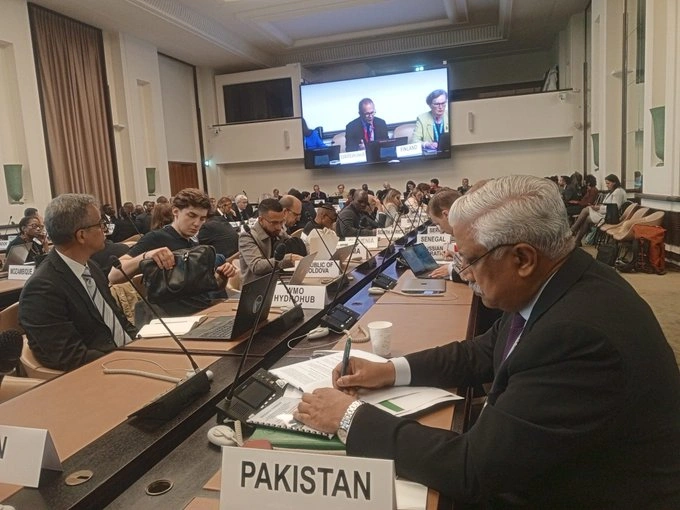
Geneva: A call has been made to the United Nations to strengthen protection of shared rivers and water systems as concerns grow over water disputes between countries. The issue has gained attention as global water stress continues to rise.
In response, the UN Economic Commission for Europe Water Convention has introduced new measures that use artificial intelligence and modern technology. These steps are aimed at improving the management of shared water resources across the world and encouraging fair distribution among countries.
Moving forward, experts say the UN must also develop a stronger legal system to enforce international and bilateral water agreements. They believe this is essential for promoting peace and cooperation between nations, which is a key goal of the United Nations.
At the same time, climate change is making water resources more limited and unpredictable. As a result, managing water has become a major global challenge.
In this context, concerns have been raised about countries located upstream of rivers. There are warnings that restricting water flow or using it as a tool of pressure can create dangerous and unlawful practices. Analysts say such actions could damage international systems and increase tensions between countries.
Furthermore, experts argue that the international community cannot support unilateral actions that affect shared water resources. They highlight that the world is already facing severe climate related pressures, and water should not become a source of conflict.
Finally, specialists warn that if the United Nations does not establish a strong legal framework for water agreements, regional stability could be at risk. They stress that protecting the rights of downstream countries and ensuring fair water use is essential for preventing future disputes.