
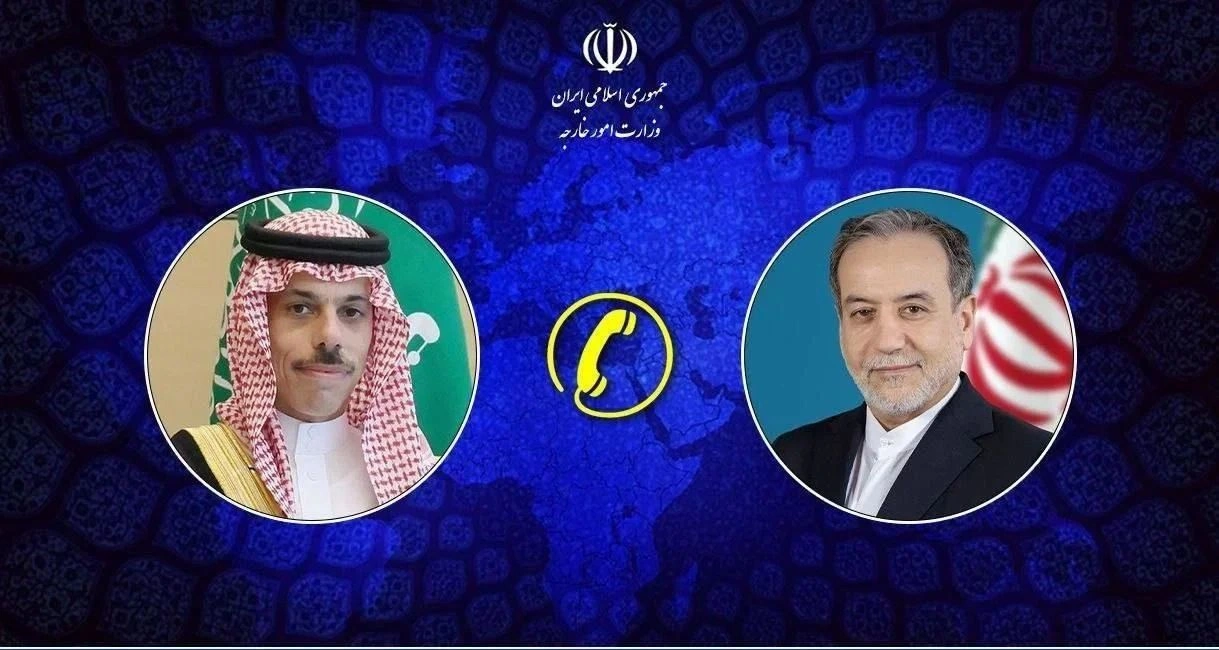
Abbas Araghchi, who is currently in Beijing on an official visit to China, held a telephone conversation with his Saudi counterpart to discuss the rapidly evolving geopolitical situation in the Middle East and ongoing diplomatic efforts aimed at maintaining regional peace and stability.
Efforts Toward Regional Stability
According to diplomatic observers, the latest contact between Iran and Saudi Arabia during Araghchi’s visit to Beijing could prove to be an important step toward reducing tensions in the region. Analysts believe direct consultations between Tehran and Riyadh remain crucial for advancing peace efforts amid ongoing regional challenges.
Iran's Foreign Minister Araghchi, who is currently in China, held a phone call with Foreign Minister of Saudi Arabia to discuss the regional situation. https://t.co/7WS5BcCXKc pic.twitter.com/Si4msP3rYV
— Iftikhar Firdous (@IftikharFirdous) May 6, 2026
Geopolitical Context
The conversation comes at a time when the region is facing multiple geopolitical pressures and global powers are actively seeking stability in the Middle East. Both foreign ministers reportedly agreed that regional disputes can only be resolved through continued dialogue and diplomatic engagement.
Experts are also viewing the development in the context of growing diplomatic coordination between Iran and Saudi Arabia, as well as China’s expanding influence in regional diplomacy.











