
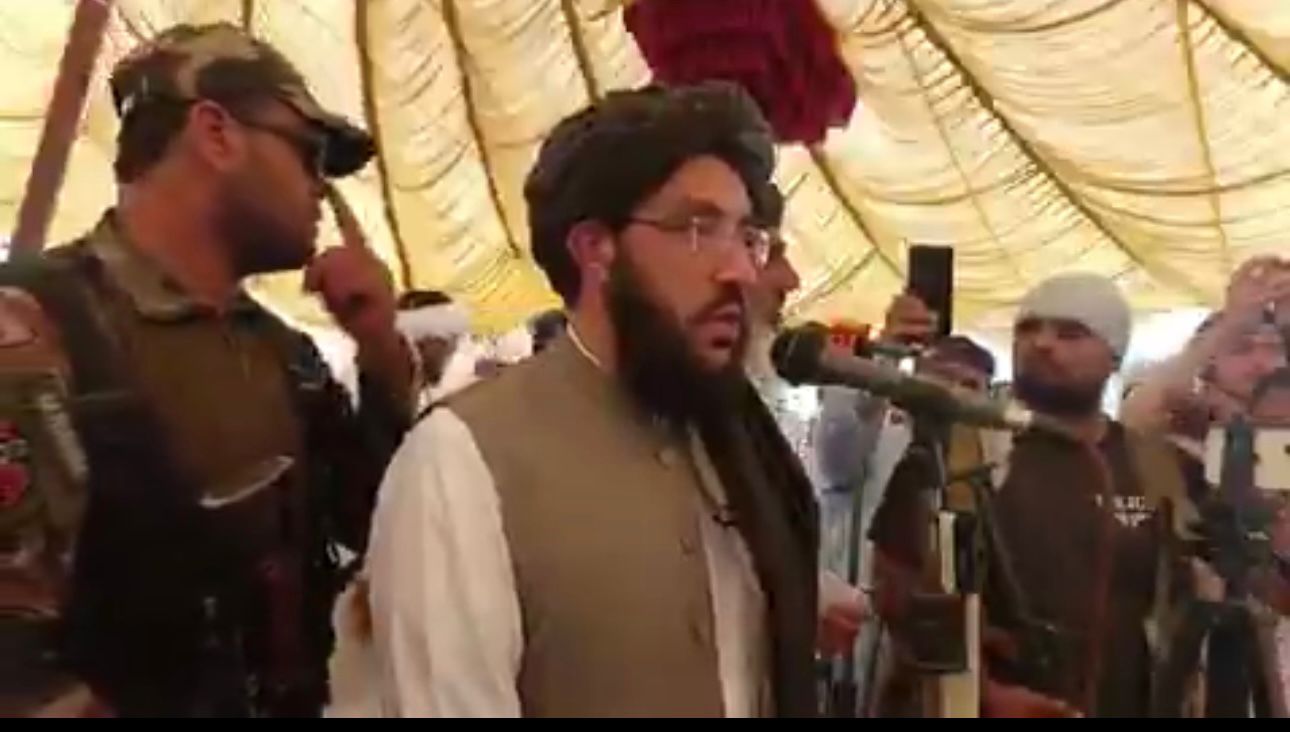
The Taliban regime has issued condolences over the assassination of Maulana Idris. Afghanistan’s ambassador to Pakistan, Sardar Shakib Ahmad, expressed condemnation over the incident.
However, concerns continue to grow about the situation on the ground. Reports suggest that more than 20 militant groups are still active in Afghanistan under Taliban rule. These groups are linked to over 600 cross border attacks in 2025 targeting Pakistan.
In addition, officials and observers point out a clear gap between public statements and ground realities. While condemnation is issued after every major attack, militant networks are reported to remain active and largely undisturbed.
شیخ ادریس پر حملہ کرنے والوں کا اسلام اور دین سے کوئی تعلق نہیں۔ افغان حکومت اس حملے کی شدید مذمت کرتی ہے۔
— Usman Khan (@IUsmanKhan786) May 7, 2026
امارتِ اسلامی افغانستان کا یہ پیغام پاکستان میں متعین افغان سفیر سردار شکیب احمد نے چارسدہ میں شیخ ادریس شہید کے لواحقین سے تعزیت اور خطاب کے دوران پڑھ کر سنایا۔ pic.twitter.com/rAigmVWB0b
Growing Concerns Over Militant Networks and Regional Stability
Over time, Afghanistan has been described by some analysts as a space where armed groups regroup and operate. These groups are believed to use Afghan territory for planning, coordination, and movement across borders.
Furthermore, the repeated pattern of attacks followed by official statements has raised questions about enforcement. Critics argue that there is little visible action against militant infrastructure despite ongoing violence.
At the same time, incidents such as the targeted killing of Maulana Idris have intensified concerns about the security environment. The continuation of cross border attacks has further added pressure on regional stability.
As a result, some observers say the situation reflects a cycle where violence continues while responses remain limited to statements. This has led to growing debate about the effectiveness of current controls on militant activity in Afghanistan.
In conclusion, while the Taliban regime continues to issue condemnations, questions remain about the presence and persistence of armed groups operating from Afghan territory and their impact on regional peace.











