
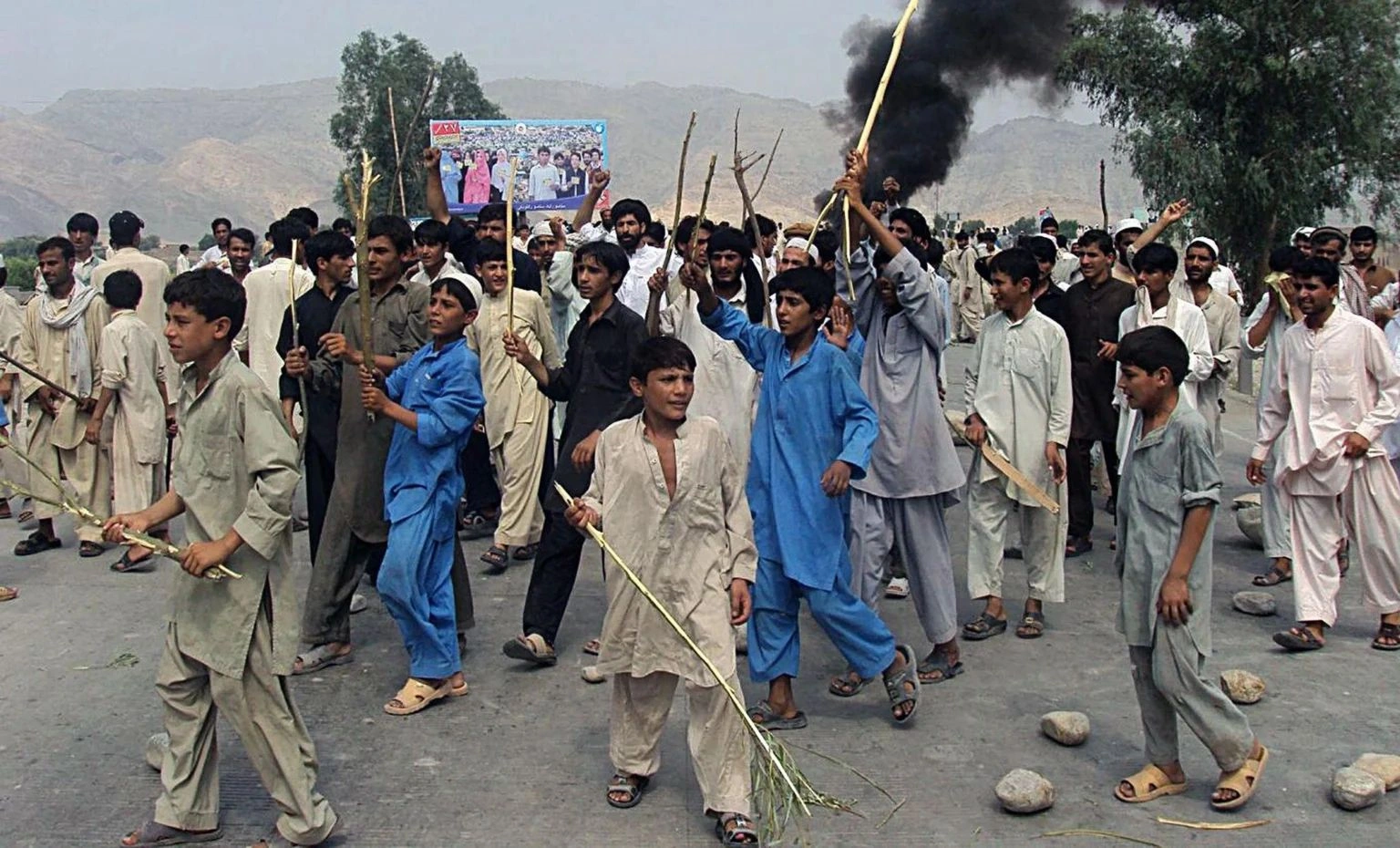
Tensions between the Taliban authorities and local residents, particularly the Tajik community, have escalated sharply in Afghanistan’s Badakhshan province. According to video evidence and local sources, after hours of clashes, the Taliban have deployed hundreds of fresh troops to the area, followed by large-scale arrests and increased pressure on the local population.
Protests and Chaos
Initial frames of the circulating videos show protesters burning tires on roads, sending thick black smoke into the air. The scenes reflect intense public anger and ongoing demonstrations against the Taliban. Local residents can also be seen fleeing in panic as unrest spreads across the area.
Information Blackout
The affected villages in Badakhshan have effectively turned into conflict zones. The Taliban have completely blocked access to the unrest-hit areas and suspended communication networks in an attempt to restrict information flow and prevent details of the situation from reaching outside.
Pressure on Local Leadership and Ethnic Tensions
According to analysts, several prominent local figures have been detained during the crackdown and are reportedly being subjected to mistreatment, seen as an attempt to suppress Tajik leadership in the region. In the footage, armed Taliban fighters can be seen patrolling the area and attempting to maintain control, while locals appear visibly fearful.
Rising Public Anger
Residents of the region are currently living under strict surveillance and an atmosphere of fear. Analysts warn that continued crackdowns and centralized control in Tajik-majority areas are deepening ethnic divisions and fueling public resentment. The situation in Badakhshan highlights growing instability driven by force-based governance rather than public inclusion, raising concerns of further unrest in the future.











