
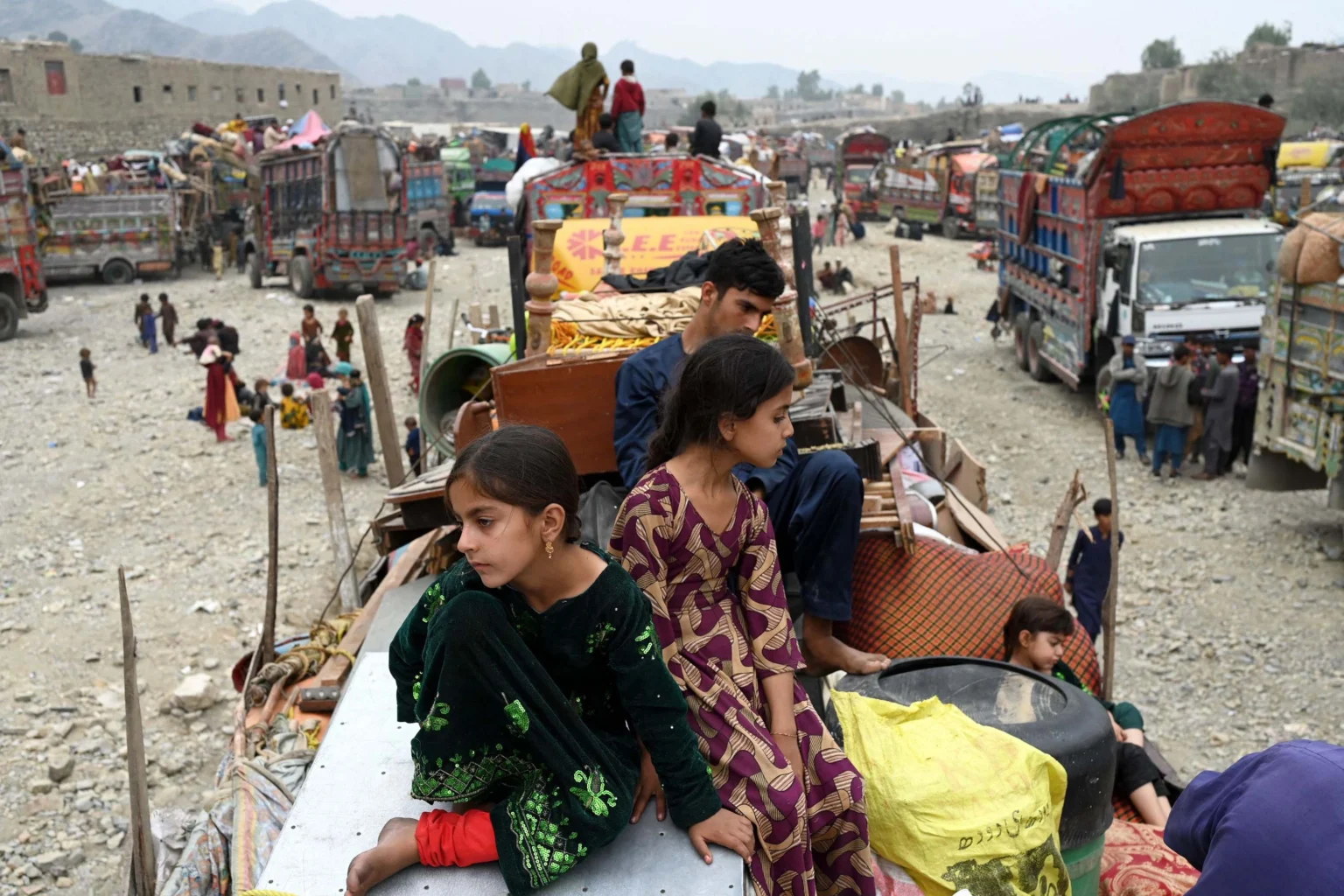
Peshawar: Pakistani authorities have rejected allegations that delays in the repatriation process of undocumented foreign nationals, including Afghan citizens, are intentional. They say the situation at the Torkham border is due to legal procedures and limited administrative capacity on the Afghan side.
Officials say long queues of trucks and families from Torkham to Peshawar are a result of strict documentation checks and biometric verification. Every individual leaving Pakistan is being verified to ensure legal compliance and avoid future complications.
They stress that security protocols cannot be compromised, as they are important for the long term safety of both countries.
Has Pakistan Changed Its Mind About Afghan Refugees ??
— Sami Yousafzai سمیع یوسفزي (@SamiYousafzaii) May 9, 2026
If Afghans refugees made mind to leave Pakistan , why Pak create more obstacles for their smooth return?
Pakistan’s Afghan refugee policy is full of contradictions. On one side, authorities continue mass expulsions…
Humanitarian Concerns and Coordination Challenges at Torkham
At the same time, Pakistan’s policy on refugees has been defended by analysts who point out that the country has hosted millions of Afghan refugees for over four decades. They say Pakistan is now working toward a structured and peaceful return process as conditions in Afghanistan improve.
In addition, officials explain that pressure at the border is also linked to Afghanistan’s interim administration controlling the daily return capacity. This limited intake has caused delays and vehicle queues on the Pakistani side.
Meanwhile, district authorities are providing water, food, and medical support to families waiting at the border. Pakistan has urged the international community and UNHCR to provide logistical support instead of only issuing statements.
Finally, government representatives say Pakistan wants better coordination with Afghanistan to ease difficulties at the border. They emphasize that the goal is not to cause hardship but to implement a regulated and lawful border management system.











