
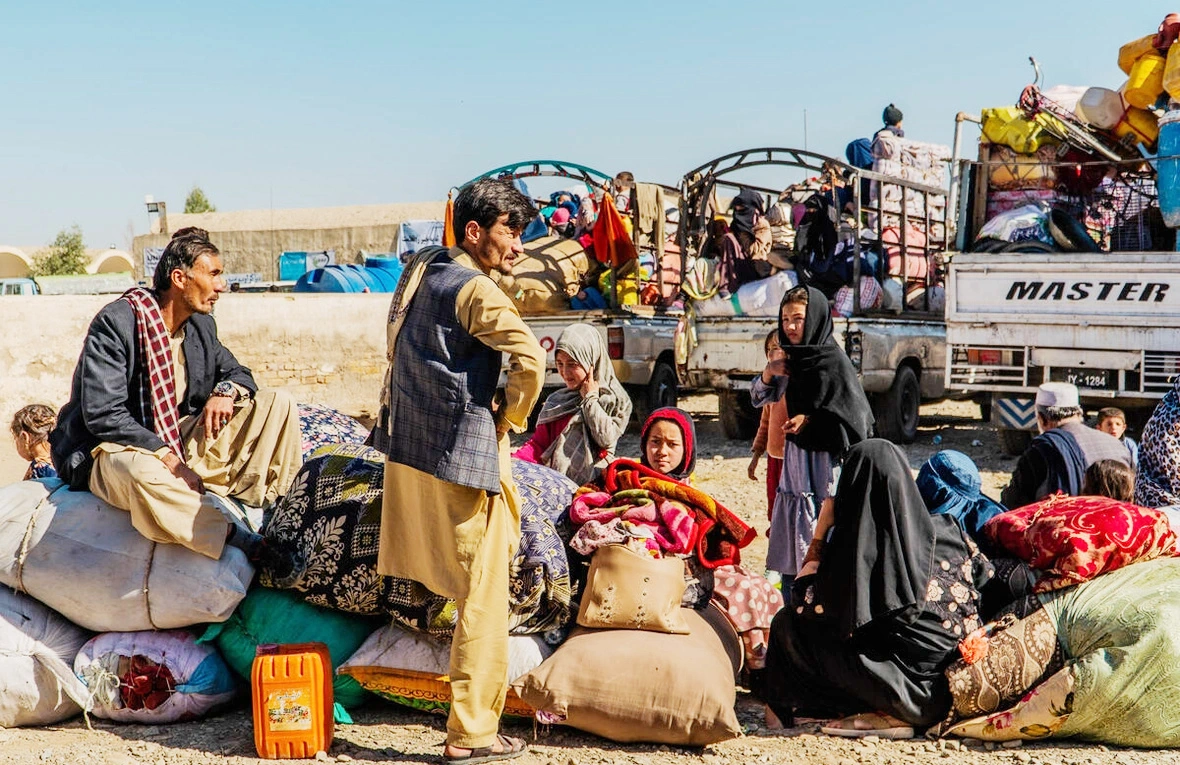
A report submitted by AMSO and the World Organisation Against Torture (OMCT) to the United Nations Committee Against Torture has raised allegations regarding the treatment and deportation of Afghan nationals from Pakistan between 2022 and 2026.
The report, based on interviews with 41 Afghan individuals, including journalists, women’s rights defenders, and registered refugees, claims that 96.4 percent of detainees experienced multiple forms of abuse and that deportations occurred without individualised risk assessments.
However, regional analysts and policy observers have questioned the credibility and representativeness of the findings, arguing that a sample of 41 individuals cannot objectively assess the conditions and experiences of nearly 4.7 million Afghans who have lived in Pakistan over the decades.
Analysts say the report presents a narrow and selective data set that does not sufficiently reflect the broader reality on the ground. They argue that allegations of systematic abuse require extensive, verifiable, and independently corroborated evidence rather than limited testimonies drawn from a small group.
Observers further note that Pakistan has hosted one of the world’s largest refugee populations for over four decades, despite facing economic pressures, terrorism, and security challenges of its own. Afghan refugees in Pakistan have long had access to public services, including education, healthcare, and employment opportunities, with many families residing in the country across generations.
Regional experts also maintain that Pakistan’s refugee policies should be viewed within the wider context of national security concerns, particularly amid increasing militant violence and illegal cross-border movement. They stress that discussions surrounding repatriation and migration management must remain balanced, fact-based, and mindful of the broader humanitarian contributions made by Pakistan over the years.
The debate over Afghan repatriation continues to remain sensitive at both regional and international levels, with analysts emphasizing the importance of comprehensive evidence and impartial assessment before drawing sweeping conclusions about state policy or refugee treatment.











