
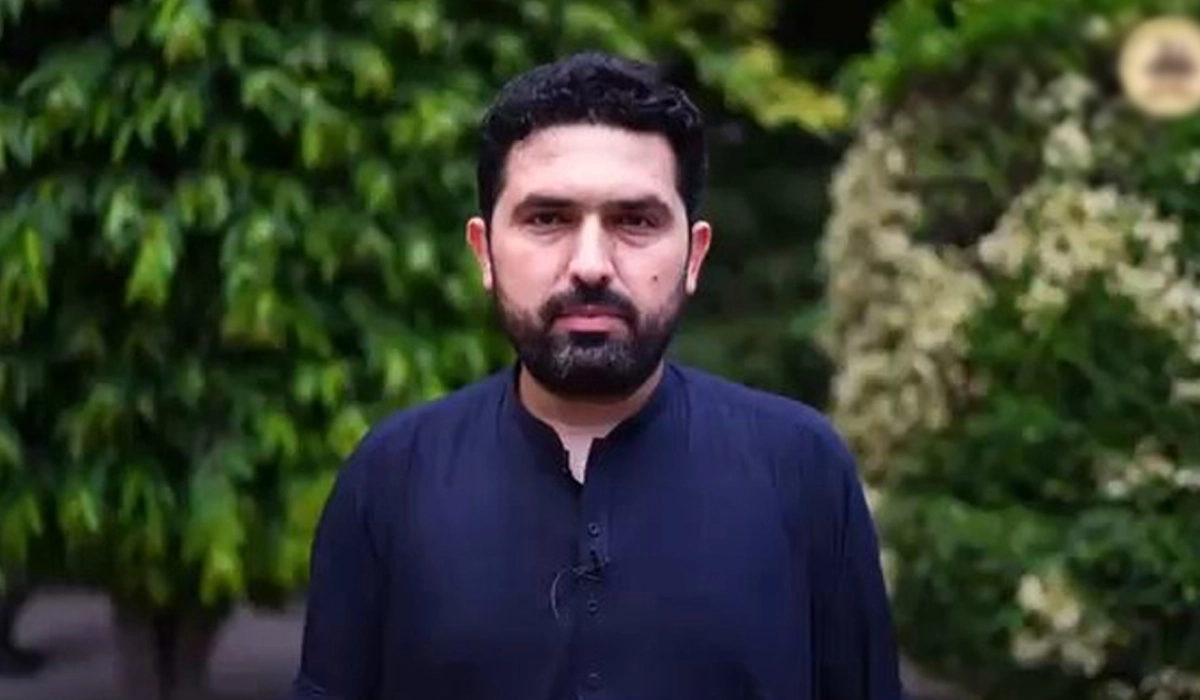
Since taking office, Sohail Afridi’s leadership has drawn attention for its strong focus on protest politics and mobilisation campaigns. Instead of prioritising long term governance plans, much of the political activity has centred on rallies, demonstrations, and confrontation driven messaging.
As a result, questions are being raised about whether governance and development have taken a back seat to political mobilisation in Khyber Pakhtunkhwa.
Continuous Political Agitation Shapes Provincial Environment
From repeated announcements of marches towards Islamabad to ongoing calls for protests, the political environment in the province has remained highly active. However, critics argue that this constant state of mobilisation has limited attention on administrative stability and service delivery.
At the same time, issues such as inflation, unemployment, and public service challenges continue to affect people in the province. Yet the dominant political narrative has often shifted toward sit ins, rallies, and pressure based politics.
Development Priorities and Public Concerns Under Debate
Furthermore, observers say that instead of presenting a clear roadmap for economic relief and institutional reform, the focus has largely remained on resistance campaigns and political confrontation.
This ongoing pattern has sparked debate over whether governance priorities are aligned with public needs or primarily driven by political objectives. As discussions continue, the balance between protest politics and effective governance remains a central question in the province’s political landscape.











