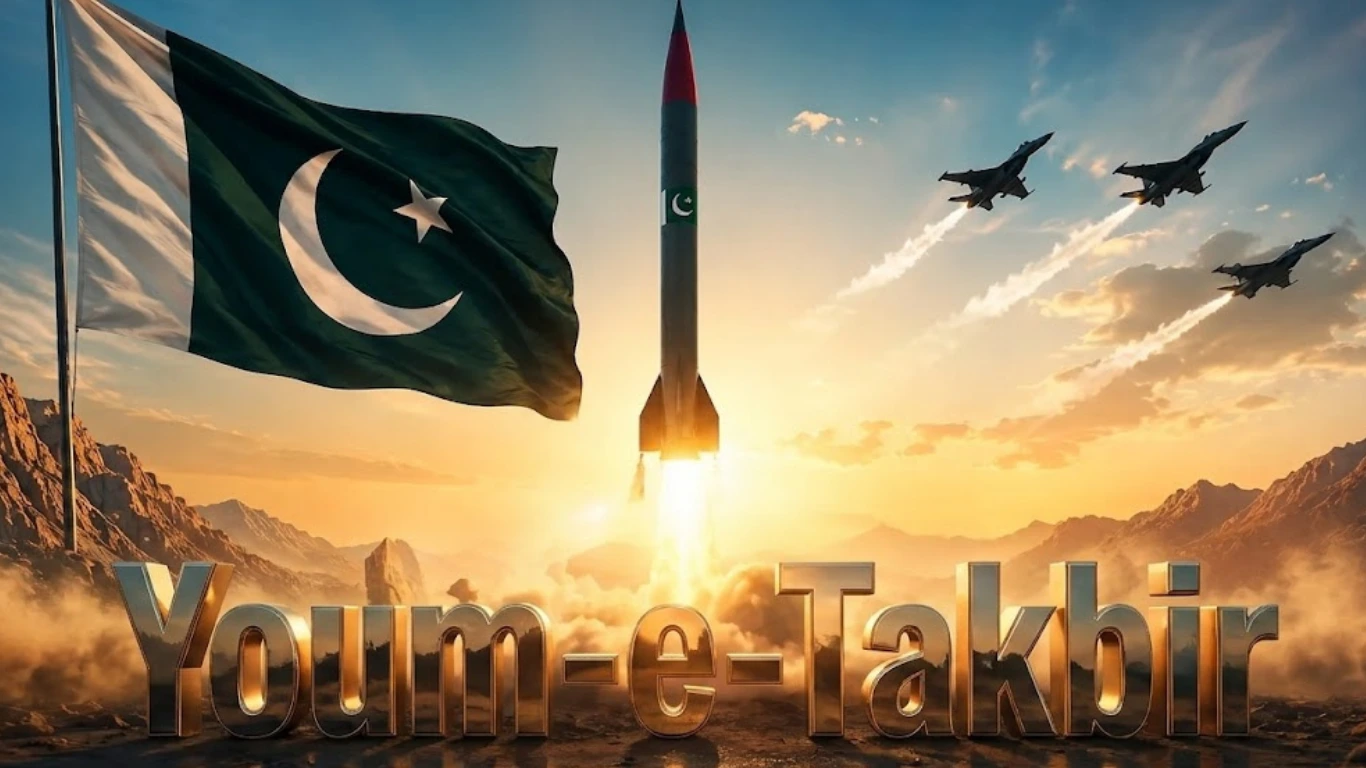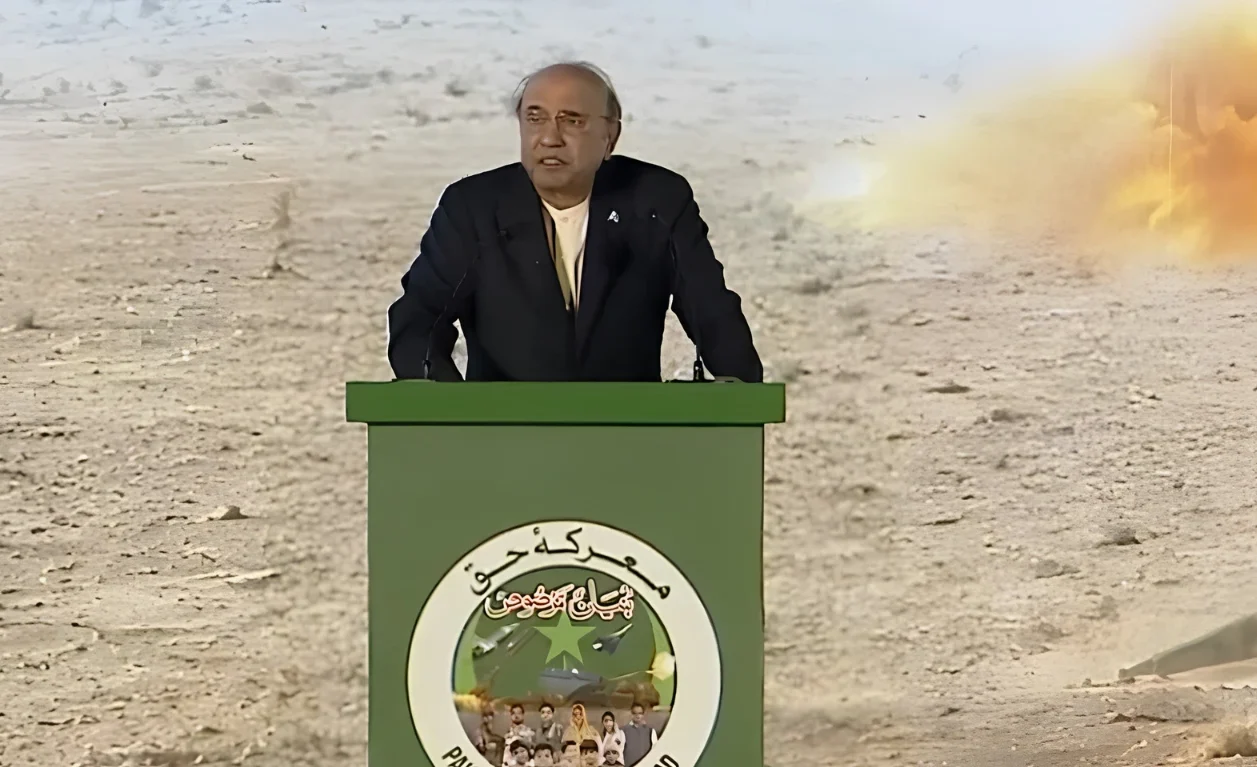
Pakistan’s President Asif Ali Zardari used the first anniversary of Marka-e-Haq on May 10 to deliver the sharpest official language yet on the Indus Waters Treaty standoff. “The unilateral and illegal attempt by the Indians to suspend the Indus Waters Treaty amounts to hydro-terrorism,” Zardari said at the anniversary ceremony in Islamabad. “Water is life for millions of our citizens and by belated violations of international laws, India endangers regional stability. This must be addressed with seriousness.”
The statement came as the treaty standoff entered its second year with no resolution in sight. India’s Ministry of External Affairs reiterated this week that the treaty will remain suspended. India’s Home Minister Amit Shah said in an interview earlier this year that the treaty “will never be restored.”
What Has Changed on the Ground
Within months of suspending the treaty, India stopped sharing project-related data with Pakistan and brought forward completion deadlines for 4 major hydropower projects along the Chenab river; Pakal Dul at 1,000 MW, Kiru at 624 MW, Kwar at 540 MW, and Ratle at 850 MW. The 1,856 MW Sawalkote Hydropower Project on the Chenab, stalled for years, received environmental clearance in October 2025 along with a revised budget of Rs 31,380 crore. India’s Union Power Minister Manohar Lal Khattar personally inspected multiple projects in January 2026, directing officials to commission Pakal Dul by December 2026 and Kiru by March 2028. India is also considering bypassing treaty-related clearance processes entirely for five additional hydroelectric plants including Bursar at 800 MW, Dulhasti II at 260 MW, and Sawalkote at 1,856 MW.
Pakistan’s Legal and Diplomatic Push
On January 30, 2026, Pakistan’s Permanent Representative to the United Nations, Ambassador Asim Iftikhar Ahmad, told the Security Council that India’s position constitutes “a serious violation of international legal obligations, with far-reaching humanitarian, environmental, and peace and security implications.” Pakistan’s broader strategy is to build a documented legal record at the UN Security Council and the International Court of Justice while internationalising the dispute through every available multilateral forum.
UN Special Rapporteurs concluded in December 2025 that India’s suspension violated Pakistan’s rights and created serious human rights consequences, describing India’s legal justifications as weak. The Permanent Court of Arbitration had already ruled in 2023 that the treaty provides no mechanism for unilateral abeyance. India rejected that ruling and called the court illegal.
Zardari on May 10 added a direct warning: “Pakistan shall defend its water rights with the same resolve it has shown in defence of its territory.”
What Comes Next
The Chatham House Environment and Society Centre published a report in April 2026 stating that restoring the Indus Waters Treaty could be a powerful foundation for rebuilding trust between India and Pakistan, and that water cooperation is not only mutually beneficial but essential for both countries. A Neutral Expert award on the ongoing technical disputes is expected by the end of 2026, which could produce the first binding international ruling on the treaty’s legal status since India’s suspension. India has so far rejected every third-party process it considers inconvenient. Pakistan is counting on the international community running out of patience with that position.
Read More: Pakistan May Host Brief Stopover of Donald Trump During China Visit, Says Khawaja Asif