
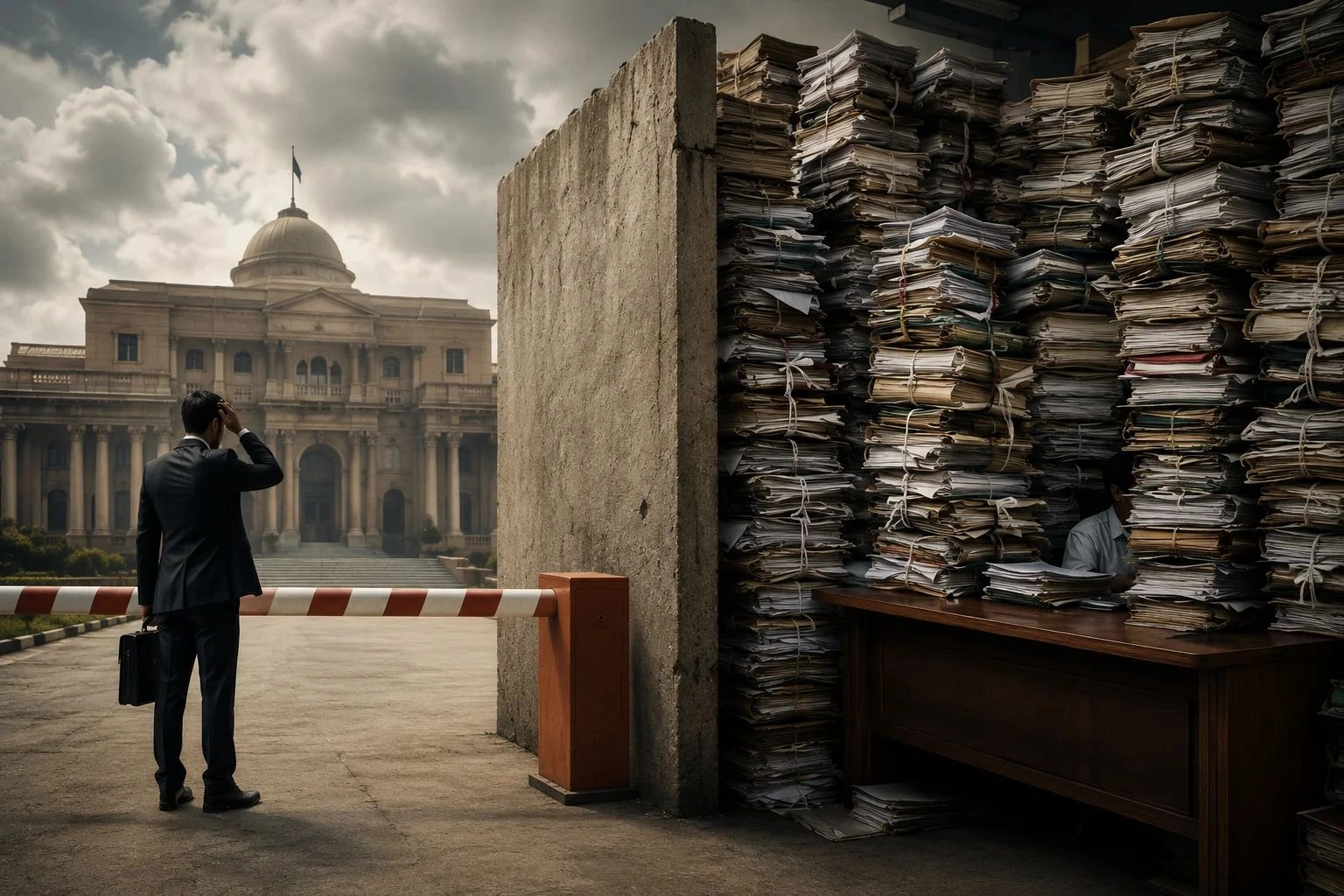
Pakistan’s economy has become one of the country’s biggest challenges, and according to a strong critical opinion, meaningful economic reform is not possible as long as a colonial-style bureaucratic system remains in place.
The argument states that the economy and the current bureaucratic structure cannot function effectively together. It suggests that if economic stability is to be achieved, the bureaucracy must first be fundamentally reformed; otherwise, the country will continue to struggle under the same administrative system.
Dual Nationality Concerns and Decision-Making Power
The critique raises concerns about the influence of bureaucracy in national decision-making, claiming that a significant number of senior officials reportedly hold dual nationality. It questions whether decision-makers who may plan to settle abroad after retirement can fully prioritize national economic interests.
Colonial Legacy in Administrative Structure
The system is described as a continuation of colonial-era governance, where civil servants are given extensive authority across sectors regardless of specialized experience. Officials are portrayed as moving between ministries and departments without technical expertise in the fields they oversee, leading to inefficiencies in governance.
High Costs and Privileges of Bureaucracy
The text argues that administrative costs and privileges are excessively high, citing expensive official residences, luxury vehicles, and elevated salaries. It claims such expenditure places a heavy burden on the national economy.
A reference is made to research suggesting that bureaucratic salaries in Pakistan are comparatively high, adding to fiscal pressure.
Investment Climate and Administrative Barriers
Another major concern highlighted is the alleged bureaucratic hurdles faced by investors and business communities. According to the critique, repeated procedural objections and administrative delays discourage investment and create an unfavorable business environment.
It further states that many investors face difficulties due to complex approvals and inconsistent regulatory processes.
Conclusion
The opinion concludes that despite Pakistan’s economic potential, structural inefficiencies and bureaucratic barriers continue to restrict growth. It questions why long-identified issues, even acknowledged by international observers, have not yet been addressed effectively by policymakers.











