
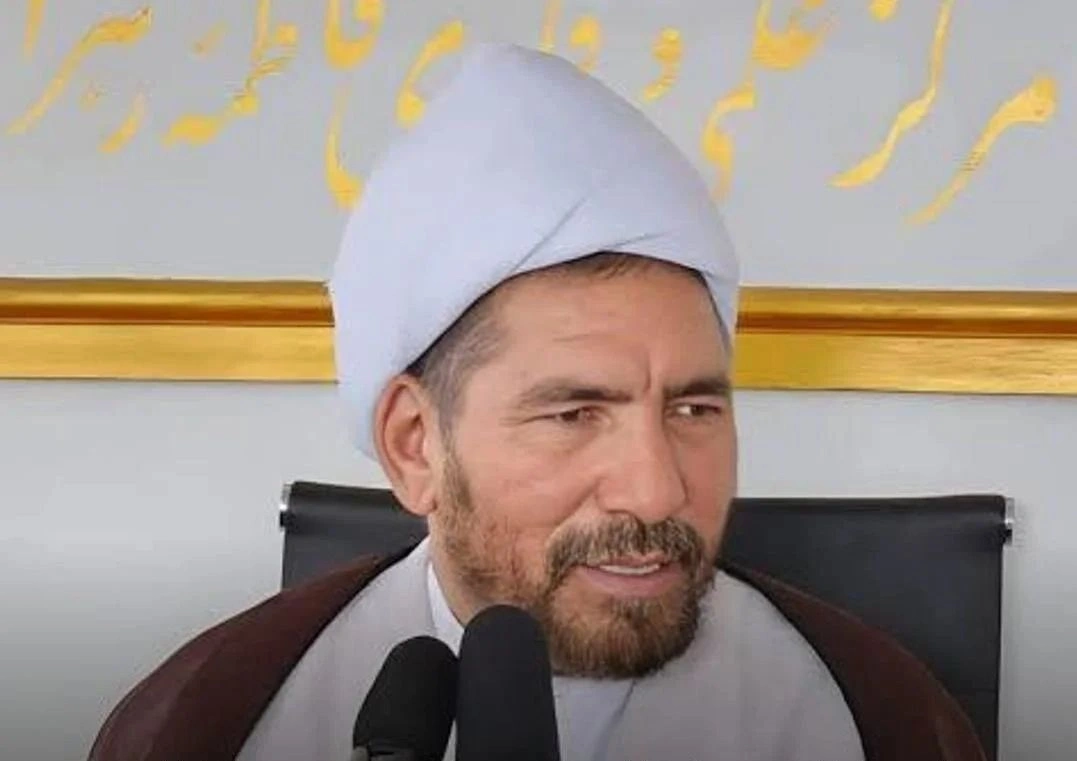
Reports say Taliban morality police in Kabul detained, humiliated, and severely assaulted prominent Shia cleric and prayer leader Ayatollah Hossein-Dad Sharifi after he officiated a marriage contract under Ja’fari jurisprudence, triggering widespread concern among Afghanistan’s Shia community. The incident occurred in Police District 18 in Kabul and has intensified accusations of sectarian bias and growing religious intolerance under Taliban rule.
According to reports, Taliban forces questioned the cleric over performing a religious practice recognized under Shia jurisprudence but opposed under strict interpretations of the Hanafi framework enforced by the authorities. Witness accounts say he was detained, insulted, and subjected to physical abuse, raising alarm among religious scholars and community members.
Following the incident, reports say Taliban authorities summoned multiple Shia clerics and forced them to sign written undertakings and declarations promising not to conduct such marriage ceremonies in the future. Clerics were allegedly warned that non-compliance could lead to imprisonment of up to six months, creating an atmosphere of fear and intimidation within the religious community.
حسینداد شریفی، روحانی شیعه در کابل میگوید که امر به معروف طالبان او را به دلیل ثبت «نکاح موقت» لتوکوب کردند.
— Aamaj News (@aamajnews_24) May 16, 2026
حسینداد شریفی مدعی شد که نیروهای طالبان از علمای شیعه تعهد میگیرند که خطبه عقد موقت را نخوانند.
او تاکید کرد که این رفتار طالبان توهین به مذهب، عقیده و مراجع تقلید… pic.twitter.com/PNHc5zcAxd
Human rights observers and critics describe these measures as more than law enforcement, calling them a form of sectarian authoritarianism aimed at restricting religious practices and enforcing a rigid ideological framework. They argue that the morality enforcement apparatus has expanded into private religious life, including marriage, worship, and community traditions.
Shia political leader Mohammad Mohaqiq, head of Afghanistan’s Islamic Unity Party of the People, strongly condemned the incident and warned that escalating pressure on Shia and Hazara communities risks deepening sectarian divisions in Afghanistan. He said the removal of previously existing protections for Ja’fari jurisprudence reflects a reversal of years of limited religious accommodation.
Mohaqiq also referred to the killing of several Shia scholars in recent years, including prominent figures such as Eid Mohammad Etimadi, Khadim Hossein Hedayati, Rajab Akhlaqi, Mohammad Mohsin Hamidi, and Mohammad Taqi Sadiqi, saying these incidents highlight growing insecurity among minority communities.
Observers say the situation reflects a broader pattern in which minorities are facing increasing pressure to conform to a single ideological interpretation of law and religion. While Taliban officials present their governance as unified and stable, critics argue that ground realities show rising sectarian tension and shrinking space for religious diversity.
Analysts further note that the ongoing developments are contributing to fear and uncertainty within Shia communities, particularly regarding religious freedom, personal status laws, and cultural identity.











