
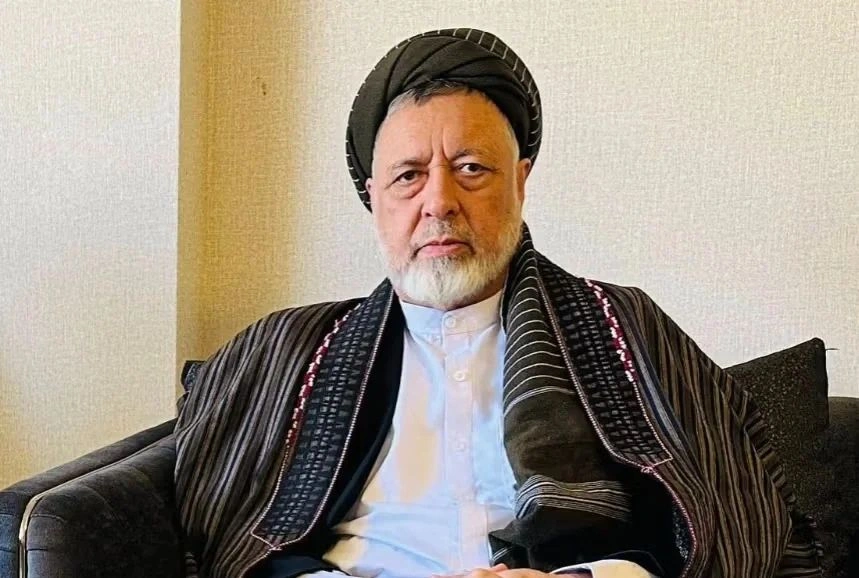
Prominent Hazara leader and head of Afghanistan’s People’s Islamic Unity Party, Mohammad Mohaqiq, has alleged that the Taliban administration has completely removed the official recognition of Jafari jurisprudence in Afghanistan, raising fresh concerns over religious freedoms and minority rights in the country.
In a detailed statement, Mohaqiq claimed that the Taliban have imposed widespread restrictions and pressure on the Shiite community’s religious practices, personal laws, and traditional ceremonies. He warned that such policies are deepening sectarian divisions and increasing tensions within Afghan society.
According to Mohaqiq, recent Taliban actions include alleged intimidation of Shiite clerics, interference in personal religious affairs, and pressure on community leaders. He also referred to the reported detention and alleged mistreatment of prominent Shiite scholar and prayer leader Hussain Dad Sharifi in Kabul.
Mohaqiq claimed that Sharifi was allegedly detained and humiliated after officiating a marriage ceremony for a Shiite couple under Jafari traditions. Reports further allege that Taliban authorities summoned dozens of Shiite clerics to police stations and forced them to sign written pledges stating they would no longer officially register marriages according to Shiite practices, with threats of imprisonment for violations.
The statement also referenced an incident in Daykundi province, where Mohaqiq alleged that Taliban-linked judicial authorities pressured a Hazara family in a disputed marriage case. He claimed relatives of the family were detained, forcing the affected couple to flee the area.
Mohaqiq described these developments as examples of growing religious and social pressure against the Hazara and Shiite communities. He urged the Taliban leadership to respect the personal laws, religious freedoms, and cultural rights of minority groups, warning that continued interference could further inflame internal tensions and undermine social stability.
The Taliban administration has not yet issued a formal response to the allegations. Human rights observers continue to express concern over the treatment of ethnic and religious minorities under the current Afghan administration.











