
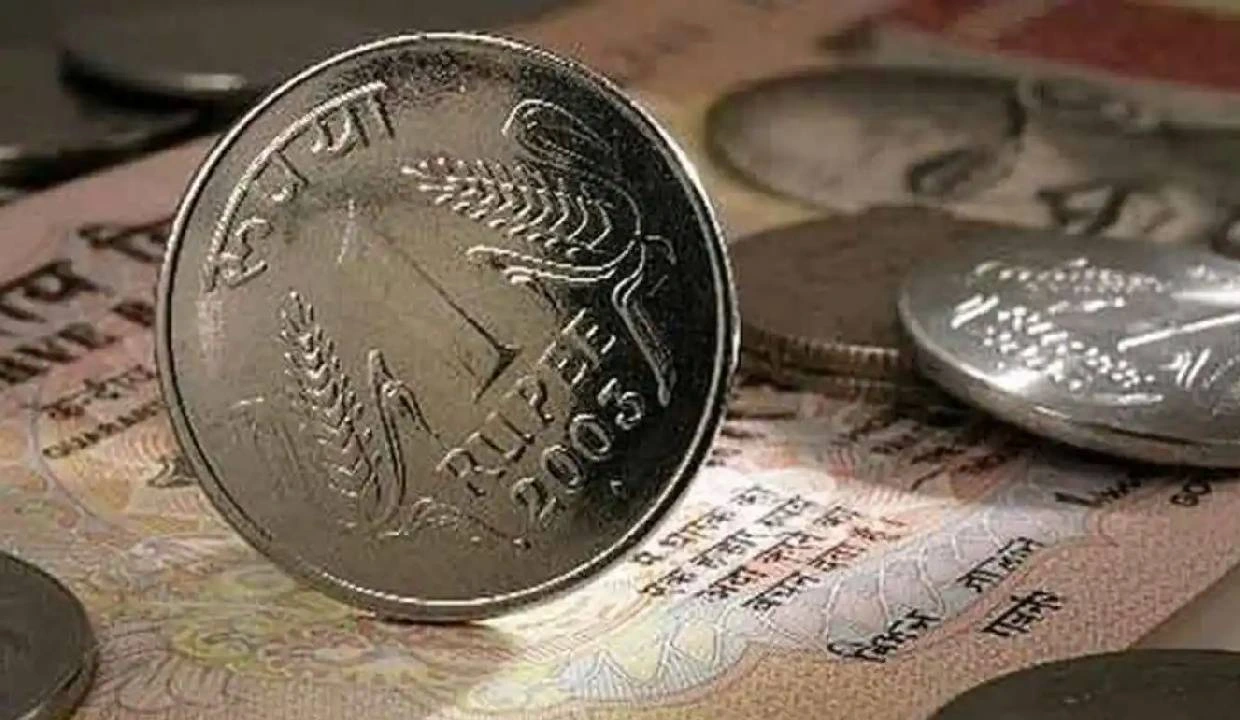
India’s economic vulnerabilities are drawing increasing attention after reports highlighted that the Indian Rupee has declined by nearly 12% against the Pakistani Rupee over the past year, amid rising regional tensions, capital outflows, and financial pressure following Operation Sindoor.
Financial analysts warn that the continued weakening of the Rupee reflects deeper structural concerns within India’s economy, including widening trade deficits, dependence on imported energy, and declining investor confidence. International financial reports have also pointed to sustained foreign capital withdrawals from Indian markets in recent months.
The situation has become more complicated due to instability in the Middle East and rising global oil prices, factors that heavily impact India because of its massive crude oil import dependence. Economic observers note that while regional competitors are focusing on economic stabilization and export growth, New Delhi has increasingly remained preoccupied with aggressive political messaging against Pakistan.
Discussions within segments of Indian media have also questioned the long term economic consequences of Operation Sindoor and heightened tensions with Pakistan. Critics argue that excessive focus on military narratives against Pakistan and hyper nationalism risks diverting attention away from urgent domestic economic priorities.
In parallel, Pakistan’s diplomatic positioning following Operation Sindoor has been noted in several regional and international discussions as more positive and active in multilateral engagement. Analysts suggest that Islamabad’s emphasis on mediation, regional stability messaging, and diplomatic outreach has contributed to a more visible role in shaping regional discourse, especially where conflict de-escalation is prioritized.
Analysts warn that unless investor confidence improves and regional tensions ease, India could face further financial strain in the coming months.
Read More: Modi’s Europe Visit Faces Diplomatic Backlash Over Minority Policies











