
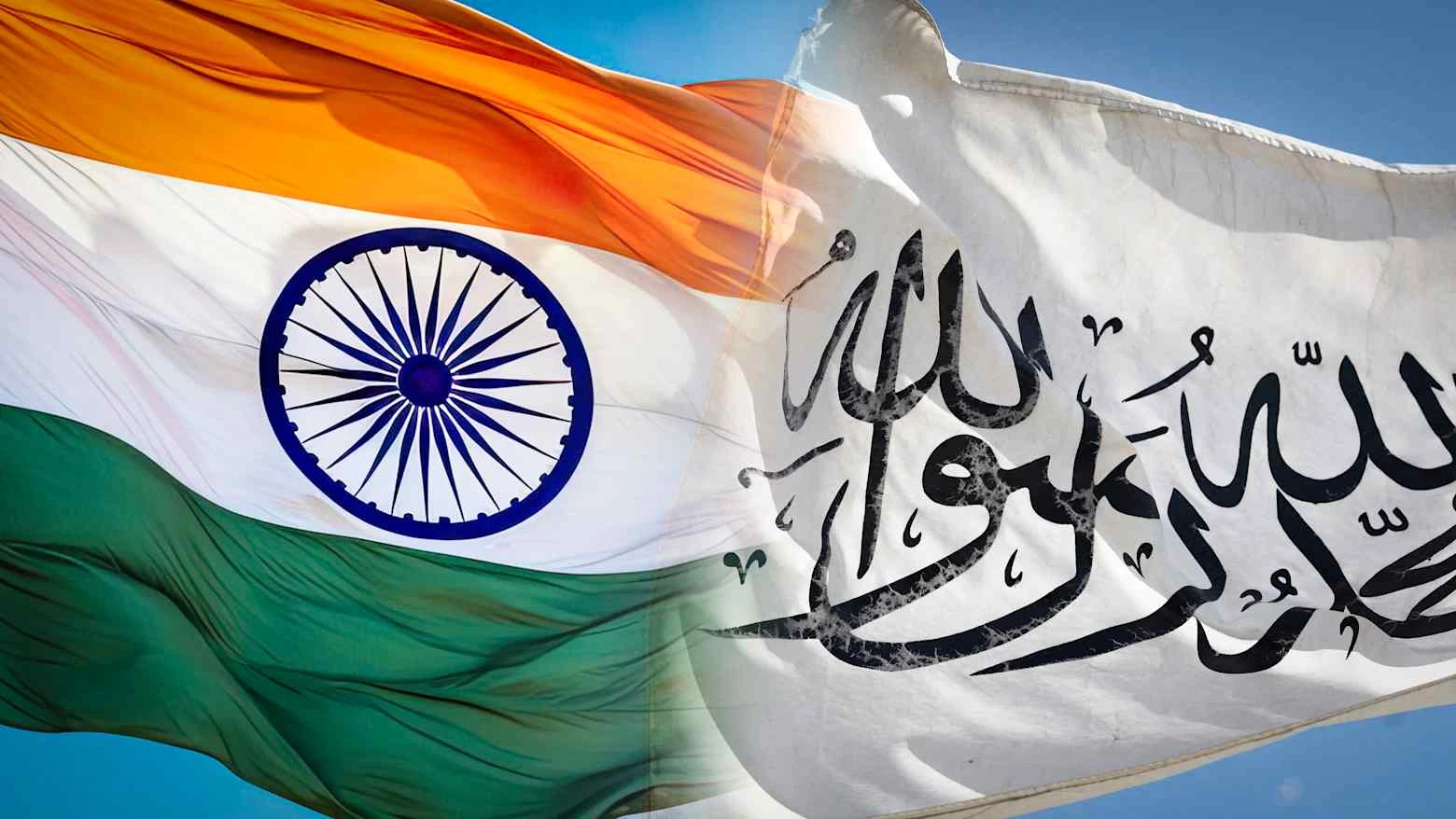
At a recent high-level United Nations meeting, India once again amplified its traditional propaganda campaign and allegations against Pakistan, further bringing into global focus the alleged strategic nexus between New Delhi and the Taliban administration in Kabul. According to Afghan media network Tolo News, India’s representative at the United Nations, Praveen Hariharan, citing reports of the international organization, claimed that Pakistan conducted an alleged operation in Kabul this year and neglected international obligations, including the return of Afghan refugees.
However, experts in international affairs have described this Indian narrative as part of a broader plan aimed at strategically destabilizing and weakening Pakistan through proxy networks and propaganda originating from Afghan territory.
Overlooking facts
According to strategic analysts, the Indian representative completely ignored in his speech long-standing evidence of terrorist hideouts operating under Taliban protection on Afghan soil, as well as the use of civilian areas by these groups for military purposes.
According to available documents and allegations, more than 20 international terrorist organizations and thousands of fighters are currently present in Afghanistan under the Taliban government. In 2025 alone, hundreds of militant attacks were carried out against Pakistan from Afghan territory, which have also been confirmed in reports by United Nations monitoring teams.
Violation of laws
Diplomatic sources say India’s distortion of civilian casualty figures at the United Nations and its focus on military operations is an attempt to obscure the fact that militant groups use civilian infrastructure for protection.
Under international law, if civilian areas, drug centers, or civilian infrastructure are used to conceal or shelter militant activity, their protected status is compromised. All operations carried out by Pakistan are always based on intelligence inputs and are directed against specific militant targets to eliminate terrorism.
Nexus and concerns
Observers believe that the growing alignment between the Modi government and the Afghan Taliban indicates a shared proxy framework working against Pakistan’s security and contributing to regional instability. The network of Indian spy Kulbhushan Yadav, arrested in Pakistan in the past, is cited as clear evidence that New Delhi has been involved in contacts, funding, and support of terrorist groups in the region, particularly groups like the BLA in Balochistan.
The international community is increasingly seen as viewing India as a country that, instead of supporting concrete action against terrorist networks based in Afghanistan, seeks to preserve them as a diplomatic and military instrument against Pakistan.
Read More: Saima Saleem Accuses India at UN Security Council of Backing TTP and BLA Proxy Groups











