
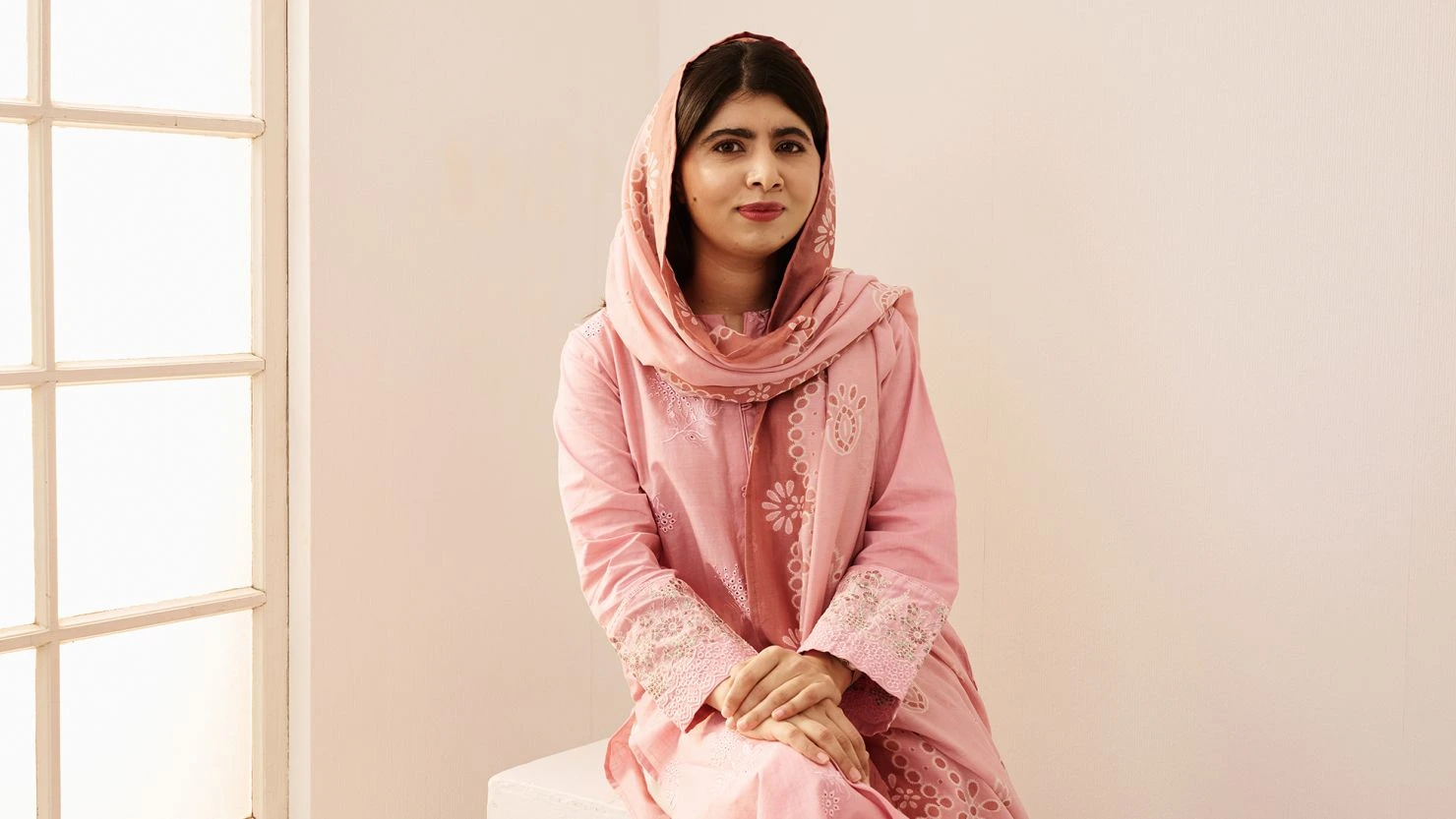
Islamabad – April 18, 2025: Nobel laureate Malala Yousafzai has voiced concern over Pakistan’s Afghan repatriation policy, urging a halt to forced deportations. She emphasized the dangers Afghan women and girls face under Taliban rule and called for immediate global humanitarian action.
Malala urged the international community to expand resettlement pathways and support vulnerable Afghan refugees. She stressed that deportation could endanger lives, especially of those facing repression or gender-based violence.
I am devastated to see thousands of vulnerable Afghan refugees deported from Pakistan to live under the Taliban’s brutal regime of gender apartheid. Girls and women will be deprived of all human rights, including going to school, working and speaking freely.
— Malala Yousafzai (@Malala) April 17, 2025
Pakistanis have… pic.twitter.com/5LtVq36NPh
Pakistan, however, clarified that it has hosted over four million Afghan refugees for more than forty years. Officials said this has been one of the most prolonged humanitarian efforts globally.
According to the Foreign Office, repatriation decisions align with Pakistan’s sovereign and legal rights under international norms. The government emphasized humane and voluntary return processes.
Notably, international law allows repatriation of individuals who face no proven risk, officials noted. Although Pakistan is not a signatory to the 1951 Refugee Convention, it has pledged to uphold humane practices.
The World Bank and UNHCR estimate that refugee hosting costs Pakistan over $200 million annually. These expenses strain public services, especially in Khyber Pakhtunkhwa and Balochistan.
Authorities reported that some Afghan nationals were involved in smuggling and militant activities, raising national security concerns that influence Afghan repatriation policy.
Additionally, a statement from Afghan’s Consul General in Peshawar confirmed that vulnerable individuals would not be forcibly returned.
United Nations Assistance Mission in Afghanistan (UNAMA) also noted that Afghanistan’s security has improved in several non-conflict areas, making return safe for some families.
If Malala Yousafzai has evidence of specific threats, officials encouraged her to share details with humanitarian agencies.
Disclaimer: This news report is based on official government statements, international agency data and public communications by Malala Yousafzai.











