
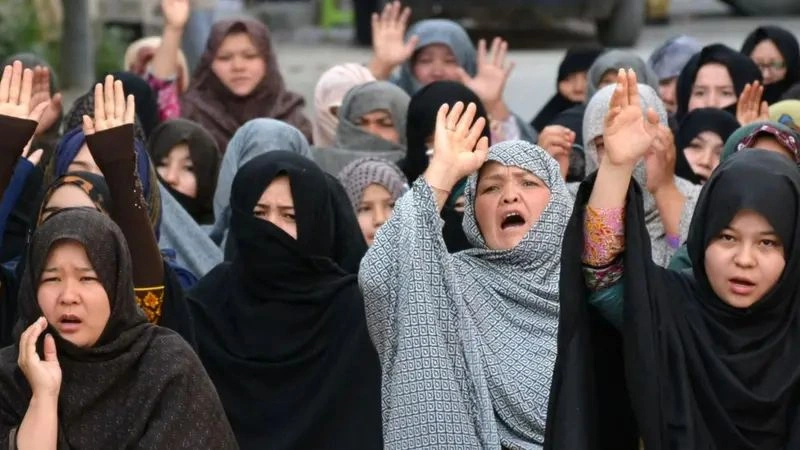
The Hazara community in Afghanistan has long been regarded as one of the most oppressed and vulnerable ethnic groups in the country, enduring over a century of persecution. Historically subjected to massacres, slavery, and social exclusion, the community continues to struggle today for survival, recognition, and basic rights. What began as physical violence has increasingly shifted into political and civic marginalization.
Systematic exclusion and political isolation deepen marginalization
In recent history, the Hazara community had emerged as a significant presence in education and public life in Afghanistan. However, under the current political system, they are once again being pushed to the margins. Reports suggest that they are being excluded from political participation and deprived of civic rights, leading to their gradual disappearance from the public and political landscape.
Observers describe this as part of a broader pattern of systematic exclusion rather than isolated incidents, raising concerns over equal representation and citizenship rights.
Growing crisis of identity and survival
Analysts view the situation as a severe crisis affecting the identity, survival, and political existence of the Hazara community. Once prominent in academic and professional fields, the community now faces what is described as a coordinated effort to erase its presence from all levels of society. This crisis is no longer limited to physical safety but extends to cultural, intellectual, and political erasure.
Historical background of violence and forced disappearance
Historical accounts indicate that the Hazara people have faced repeated waves of massacres and forced displacement over decades. In recent years, the nature of this suffering has reportedly shifted from physical violence to administrative and political exclusion. Today, the community is increasingly being reduced to a silent population with little to no representation in public life.











