Skip to content
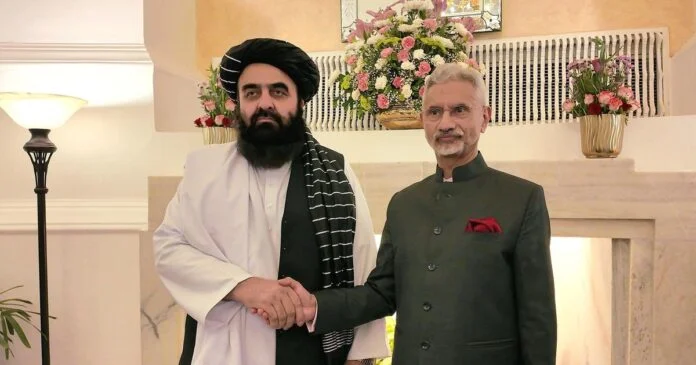
For years, Afghanistan and India have functioned less as independent actors and more as complementary fronts in a sustained campaign to pressure and destabilize Pakistan. This is no longer a matter of allegation or suspicion. The pattern is visible, repetitive and increasingly costly for regional peace.
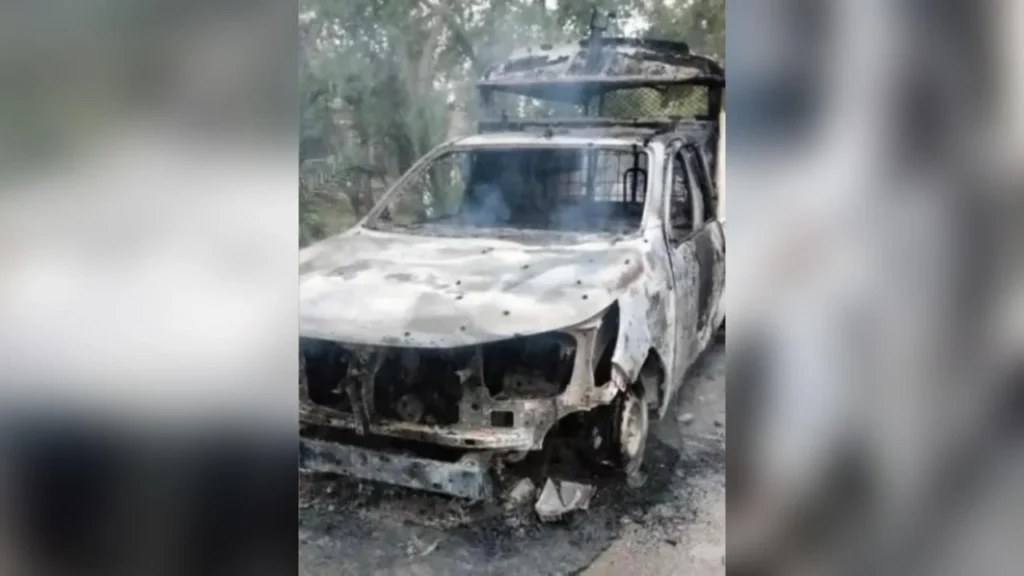
Afghan territory has repeatedly served as a permissive environment for Pakistan-focused militant groups. These networks do not operate in isolation. They survive through political tolerance, logistical freedom and external encouragement. India’s role fits neatly into this ecosystem.
Through diplomatic shielding, international lobbying and sustained narrative building, New Delhi has provided the political oxygen that allows these actors to operate beyond scrutiny. Cross-border violence inside Pakistan is not an unintended consequence. It is a strategic outcome.
The picture becomes even clearer with the deliberate targeting of Chinese interests. Attacks on Chinese nationals, infrastructure, and projects linked to China Pakistan Economic Corridor are not random acts of terror. They are calculated signals.
The objective is simple: disrupt regional connectivity, sabotage economic integration and deter long-term investment that threatens the existing balance of power. By undermining Chinese stakes, hostile actors aim to isolate Pakistan and stall the broader development of Central and South Asia.
This campaign is not confined to the battlefield. It extends into information warfare, diplomacy and global forums. Pakistan faces a dual assault: violence on the ground and sustained narrative manipulation abroad.
Terrorism is paired with messaging. Destabilization is reinforced by selective outrage. The goal is to exhaust Pakistan strategically while portraying it internationally as the problem rather than the target.
History offers a clear verdict on such behavior. Proxy wars and coercive politics do not create security. They corrode it. The continued use of militancy, pressure tactics and economic sabotage risks locking the region into permanent instability.
Real peace will not emerge from denial or duplicity. It will only come when sovereignty is respected and confrontation is replaced with genuine regional cooperation. Until then, the cost of this two-front strategy will keep rising for everyone involved.
Read more: Noor Wali Exposed- A Self Proclaimed Cleric Promoting Khawarij Ideology