
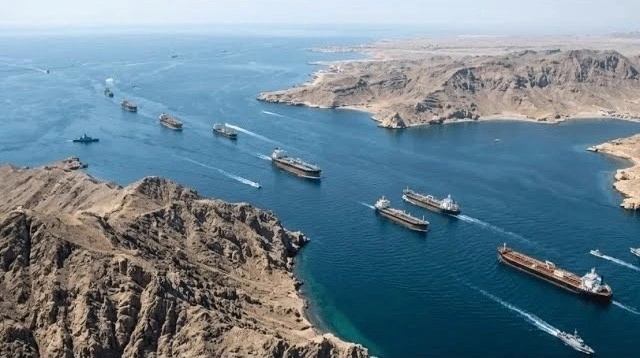
ISLAMABAD, March, 28 – Deputy Prime Minister and Foreign Minister Ishaq Dar has announced that Iran has granted permission to 20 more Pakistani-flagged ships to pass through the Strait of Hormuz, a development being seen as a significant step toward confidence-building and regional peace.
In a post on X (Twitter), Ishaq Dar stated that two Pakistani ships will pass through the Strait of Hormuz daily. He noted that this move is not only a major relief for commercial activities but also a positive signal for stability in the region.
I am pleased to share a great news that the Government of Iran has agreed to allow 20 more ships under the Pakistani flag to pass through the Strait of Hormuz; two ships will cross the Strait daily.
— Ishaq Dar (@MIshaqDar50) March 28, 2026
This is a welcome and constructive gesture by Iran and deserves appreciation. It…
He described the step as a constructive and commendable move by Iran, adding that the decision will play an important role in promoting peace and reducing tensions.
The foreign minister further said that such confidence-building measures help strengthen regional stability and that diplomacy and dialogue remain the only effective path forward.
In a notable development, Donald Trump reposted Ishaq Dar’s statement on social media, which is being viewed as a sign of the importance and international recognition of this move.
Analysts believe that increased facilitation for Pakistani ships in a critical global maritime route like the Strait of Hormuz is not only economically significant but also reflects Pakistan’s growing diplomatic role.
Read more :Strait of Hormuz Open for Pakistani Vessels, Says Iranian Consul General











