
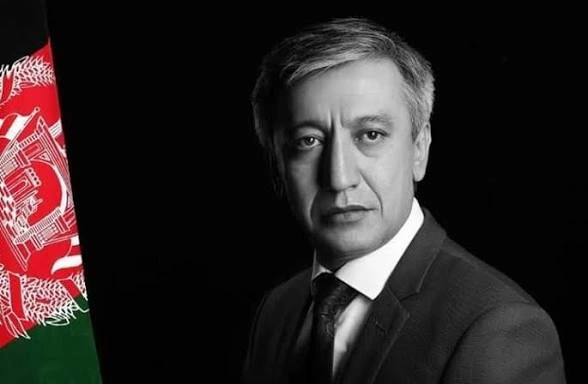
Dawood Naji, Head of the Political Committee of the Afghanistan Freedom Front, told Afghanistan International in a live interview from London that the popular uprising sweeping Badakhshan is a direct consequence of years of Taliban repression, humiliation and brutality against local communities. Alongside this assessment, Naji confirmed that AFF forces have deployed into the province and pushed Taliban fighters to retreat from the strategically critical Khostak Valley, calling on the people of Badakhshan to cooperate with AFF forces as spring operations intensify.
Naji was unambiguous about the root cause. For nearly three years, he said, Afghanistan’s people have tolerated a regime carrying no legal, customary, religious, or human legitimacy, one that moves the country forward exclusively through force, whips, imprisonment, torture and killing. Badakhshan, he stressed, has historically been a cradle of resistance and freedom-fighting, and the Taliban have now driven the knife to the bone. The poppy eradication campaign was the final provocation in a long chain of humiliations. The real grievances run deeper: abusive non-local Taliban commanders, repeated forced entries into homes, and relentless public humiliation of local communities.
Clashes between Taliban forces and residents in Argo district erupted on May 8, killing at least two people and wounding several others, after which Taliban authorities restricted telecommunications across Badakhshan, cutting the province off entirely. A senior Badakhshani Taliban commander acknowledged in a speech that residents were openly questioning how long the Taliban government would last, with the Taliban themselves expressing concern that opposition forces in the north could gain regional and international support.
Naji described the AFF as a structured organisation with its own forces, military calendar and strategic plans. The group launched its spring offensive in late March with an attack on the 219th Taliban Border Brigade watchtower in Baharak district, killing four fighters and wounding three others. The Taliban have not confirmed the Khostak Valley retreat and independent verification from the ground remains unavailable.
Read More: Mass Afghan Refugee Returns from Pakistan Accelerate as Over 5,000 Deported in a Day











