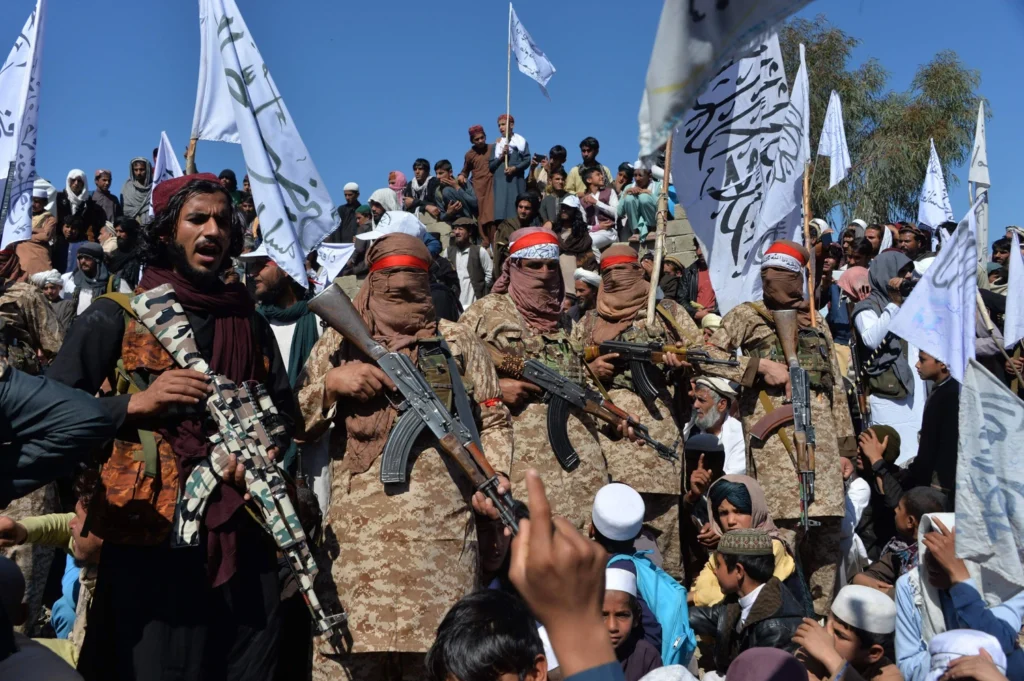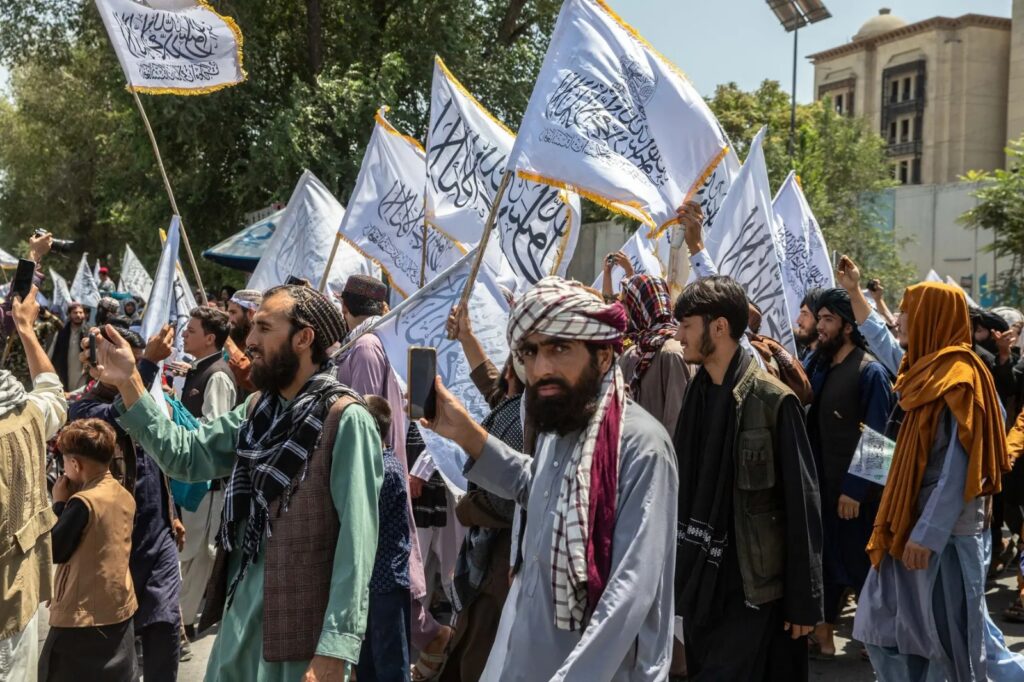
Web desk: Afghanistan is a multi-ethnic country with a diverse population that includes Pashtuns, Tajiks, Hazaras, Uzbeks, Turkmen, Baloch and Nuristanis. Pashtuns make up around 40 to 45 percent of the population. Tajiks account for about 25 to 30 percent. Hazaras represent roughly 9 to 15 percent, while Uzbeks and Turkmen together form about 10 to 13 percent. Despite this diversity, critics argue that the current leadership under the Taliban does not distribute political power evenly among these communities.
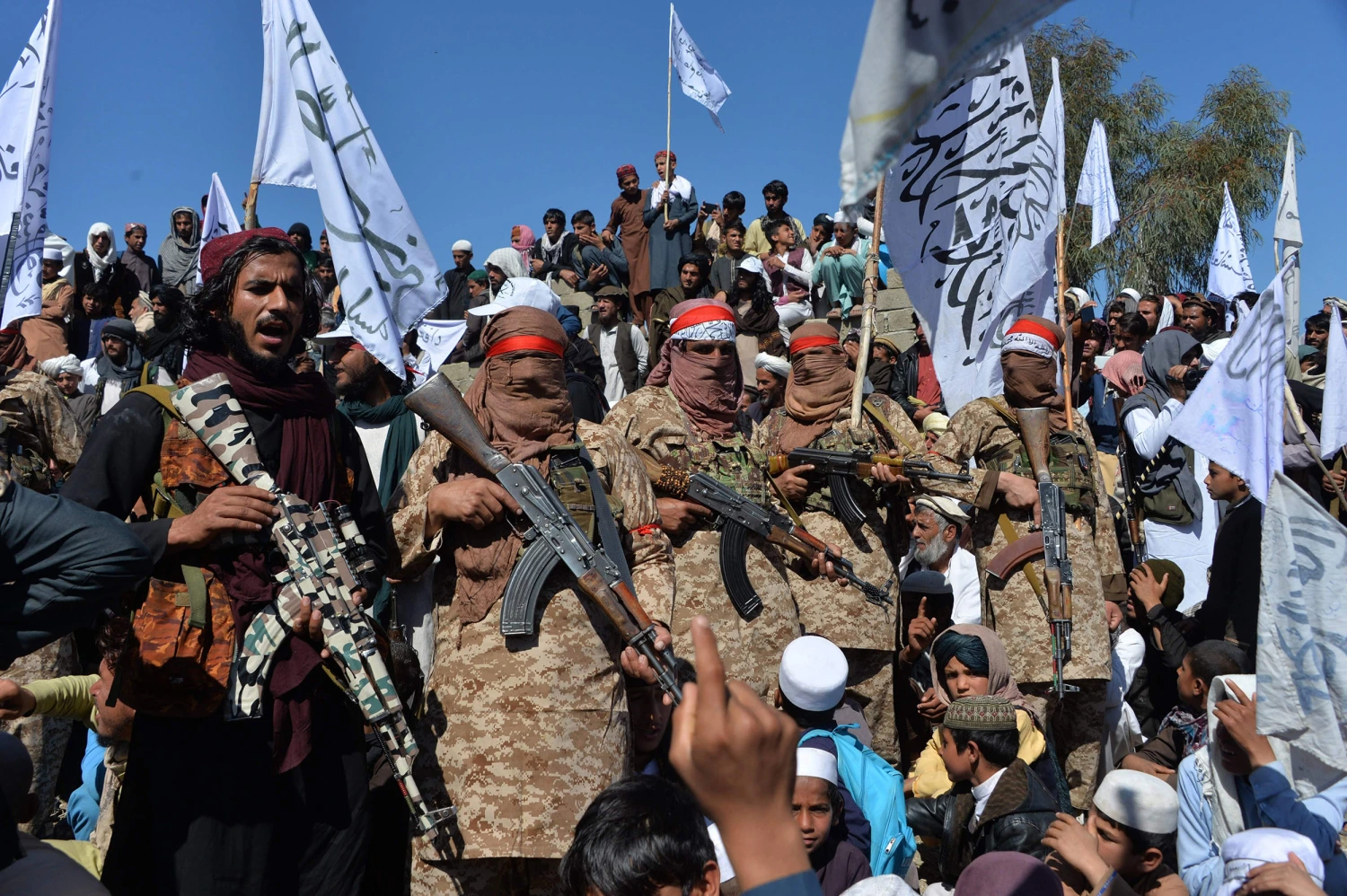
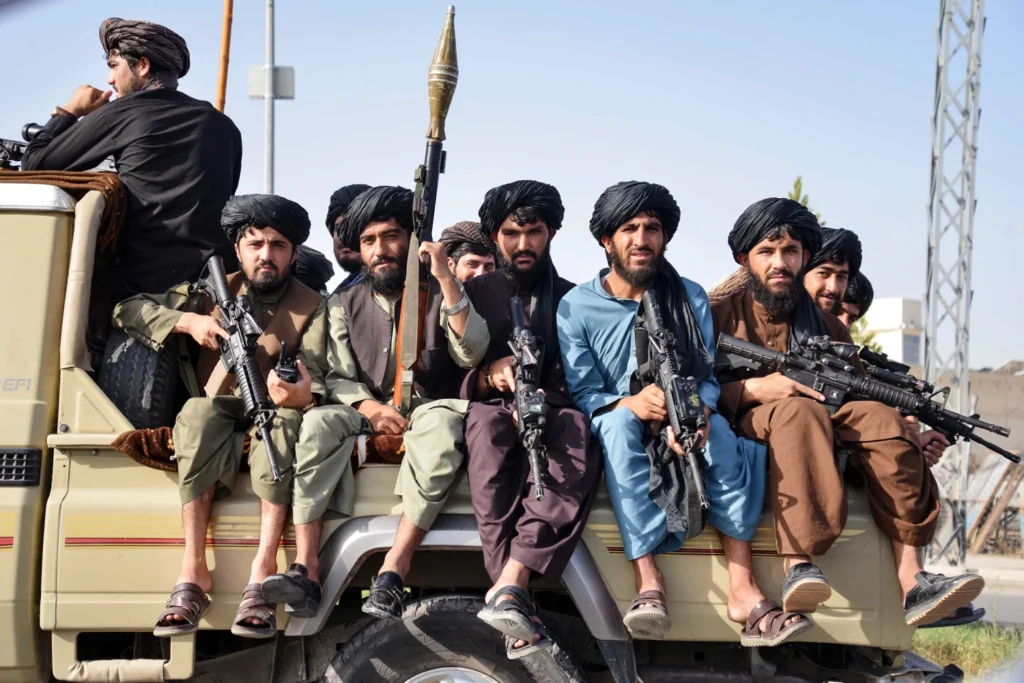
Estimates suggest that the Taliban’s Rahbari Shura, which has around 20 to 25 members, consists largely of Pashtuns. The 49-member caretaker cabinet also reflects this imbalance. Only a small number of Tajik, Uzbek, Baloch, and one Nuristani representative hold positions. The cabinet does not include any Hazara members or women. Pashtun figures lead most key ministries, including Interior, Defence, Finance, and Justice.
Many analysts note that Pashtuns have historically held dominant roles in Afghanistan’s political system. They argue that this pattern has continued and, in some ways, strengthened under the current administration. Tajik, Uzbek, Hazara, and Turkmen communities appear to have limited influence in senior decision-making bodies, particularly within the security and leadership structures based in Kandahar.
Hazara communities, who are predominantly Shia Muslims, have voiced concerns about political exclusion and security risks. Over the years, attacks have targeted Hazara neighborhoods, mosques, and schools. Community representatives say they feel underrepresented in governance structures and inadequately protected against violence.
Observers continue to debate the role of former US envoy Zalmay Khalilzad during the negotiations in Doha. Some critics argue that the agreement between the United States and the Taliban accelerated the collapse of the previous Afghan Republic. Others contend that a combination of political fragmentation, military setbacks, and regional dynamics contributed to the outcome.
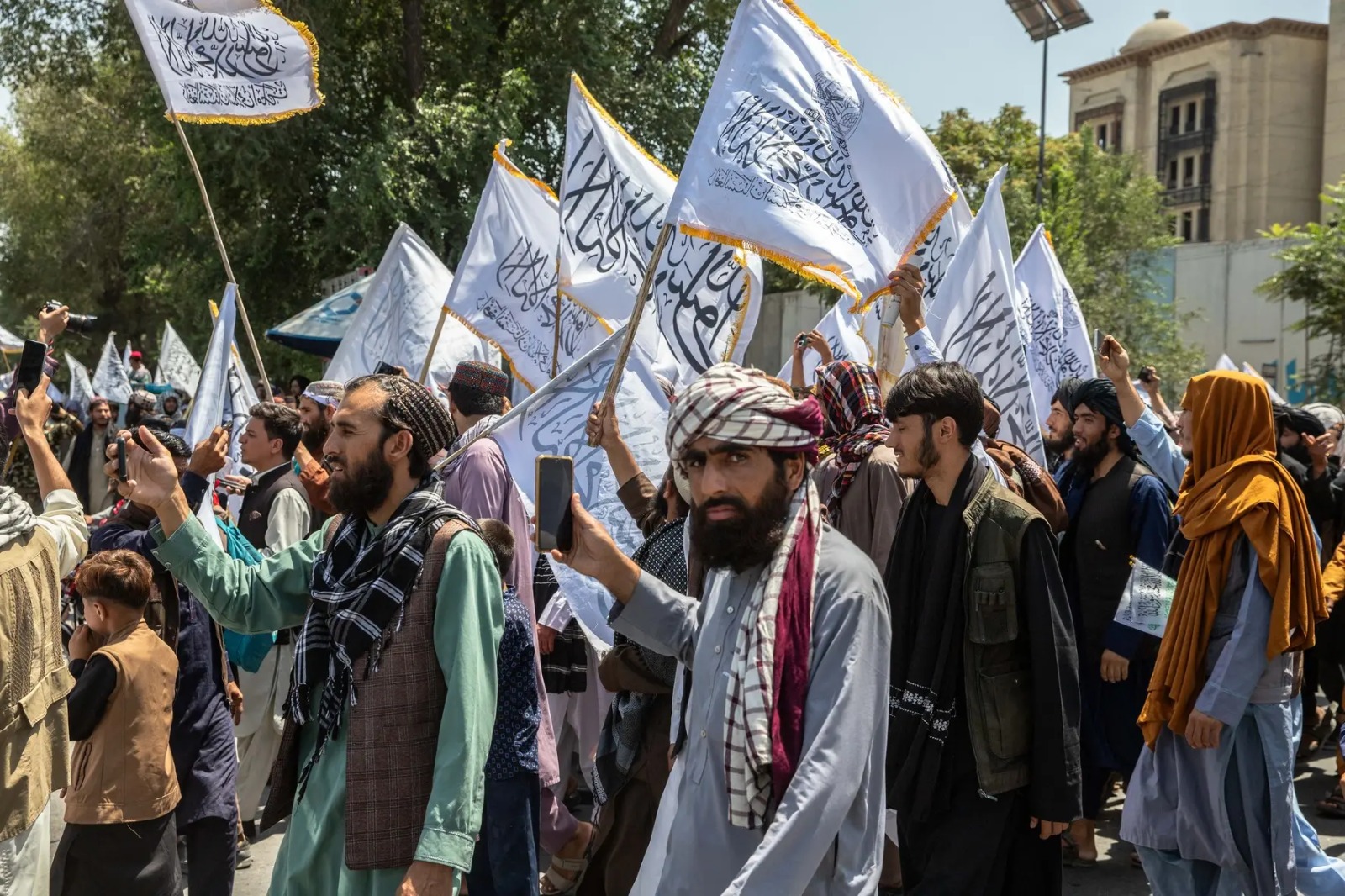
Beyond questions of ethnic representation, critics also examine the ideological direction of governance. They argue that tribal customs and a strict interpretation of Islamic law influence state policies. Human rights organizations report restrictions on women’s education and employment, tighter control over media activity, and limits on public dissent.
The discussion around power sharing, ethnic inclusion, and governance in Afghanistan remains active. Taliban officials state that they seek stability and national unity. Many observers respond that long-term peace will depend on broader political participation, protection of religious and ethnic communities such as Hazaras and others, and an inclusive national dialogue.