
Web Desk: The United Nations Security Council voted unanimously Friday to extend the mandate of the monitoring team supporting the Taliban Sanctions Committee for another year, signaling a unified international front against the growing concentration of terrorist groups in Afghanistan.
Resolution 2816 (2026) authorizes the monitoring body to continue its oversight for an additional 12 months. This decision follows a series of reports detailing a surge in foreign fighter activity since the Taliban assumed power.
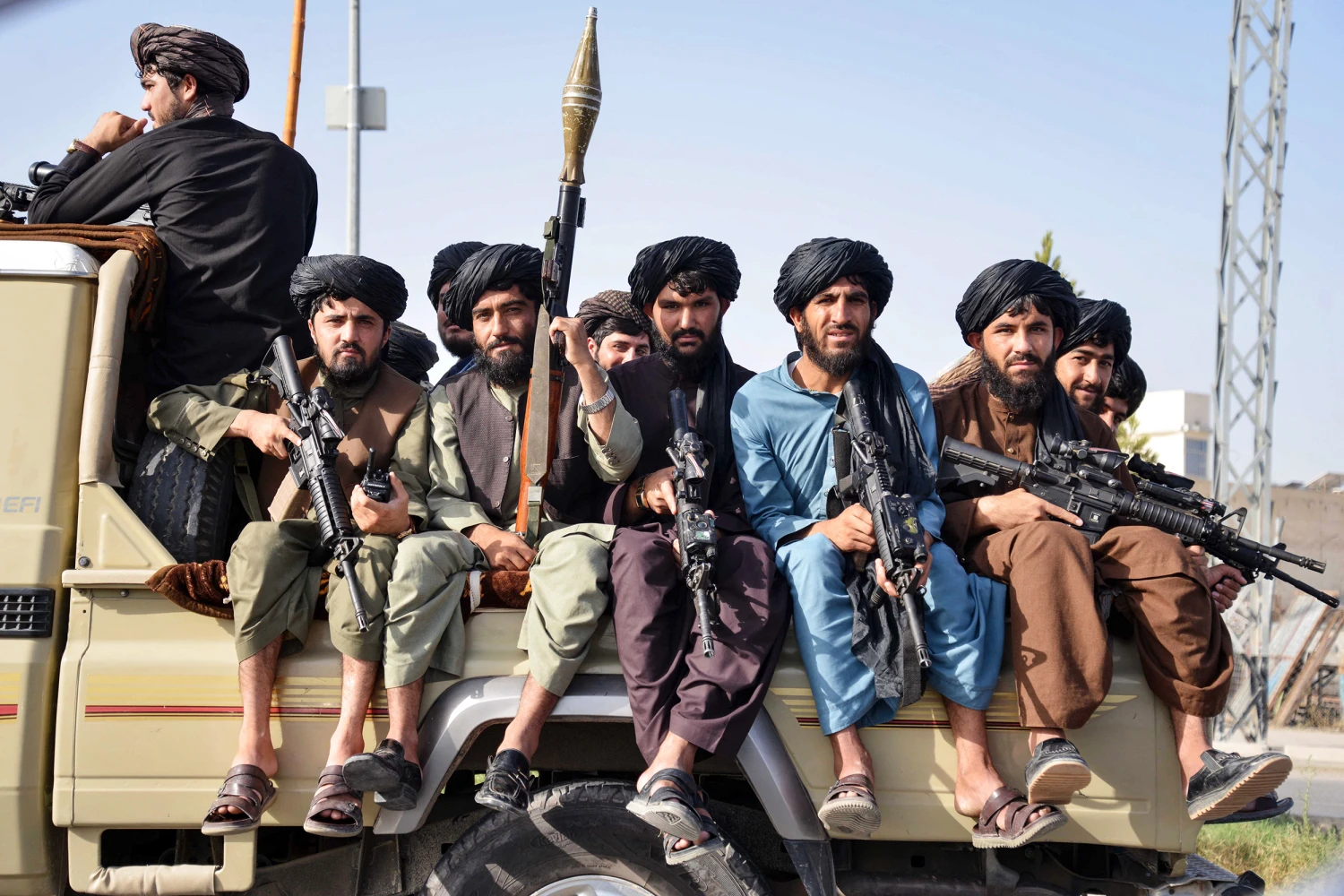
Data from the 16th and 37th Monitoring Team reports indicate that Afghanistan has transformed into a central hub for global militancy. According to these assessments, more than 20 international terrorist organizations currently operate within the country’s borders.
The reports further estimate that over 13,000 foreign fighters are active under the current administration. While the Taliban has previously claimed to be dismantling extremist networks, the council’s findings suggest that terrorist infrastructure remains entrenched rather than dismantled. Consequently, these active networks continue to fuel regional insecurity and trigger cross-border instability across Central and South Asia.
Beyond kinetic security threats, the council expressed deep concern regarding the internal governance of the Taliban. Member states noted that the systematic repression of women and girls creates a vacuum of fundamental human rights that facilitates long-term radicalization.
The resolution emphasizes that these governance failures are directly linked to broader security risks. Because the Taliban refuses to meet global expectations regarding inclusive leadership, the international community continues to view the current administration as a contributor to regional volatility.
This latest move by the Security Council highlights the widening diplomatic isolation of the Taliban leadership. Although some member states have attempted to facilitate dialogue, the consensus remains that the Taliban has failed to fulfill its counterterrorism commitments.
Diplomats at the UN indicated that the repeated need for international scrutiny stems from a lack of credible action on the ground. Consequently, the council remains frustrated with the gap between the Taliban’s public assurances and the reality of safe havens provided to extremist groups.
The council concluded that any future engagement with the Taliban must remain strictly conditional. Member states demand verifiable action to end the sheltering of terrorist organizations before any normalization of relations can occur.
Furthermore, the international community expects the Taliban to reverse gender-based repression and adopt an inclusive governance model. By extending the monitoring mandate, the Security Council ensures that the Taliban remains under a global microscope until it chooses responsible engagement over continued isolation.











