
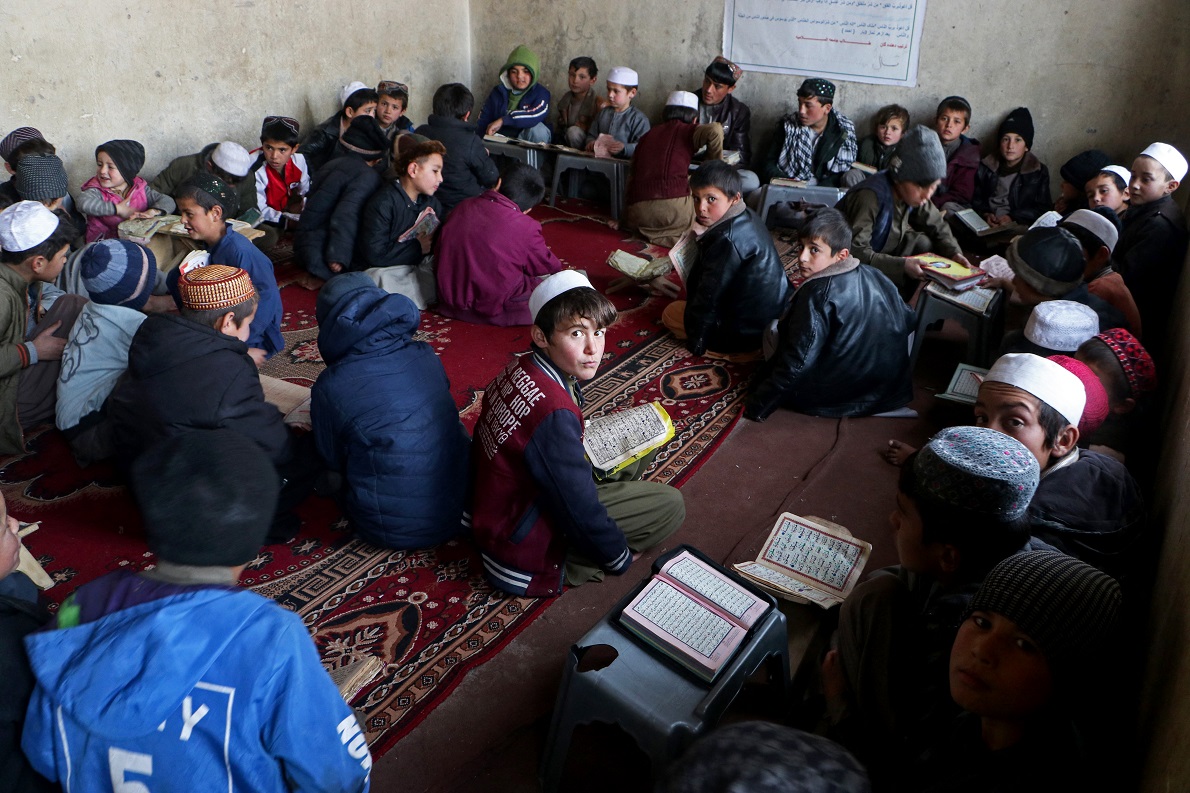
Web desk: Since the Taliban took power, the number of religious schools has skyrocketed. From about 13,000 schools, the count now exceeds 23,000. Student enrollment has jumped from 1.5 million to nearly 3 million.
At a graduation ceremony in Andkhoy, Faryab, a speaker called “Abu Ubaidah” urged students to “revolt against infidels.” This shows how public school events are being used to spread extremist messages.
Under leader Sheikh Haibatullah Akhundzada, the curriculum pushes a strict Sharia worldview. Young people are taught to view militancy as a religious duty. This creates a pipeline for future radicalization that could affect neighboring countries.
More schools mean more youth exposed to militant ideology. The same institutions also enforce gender segregation and limit girls’ education. Regional security could suffer as graduates join or support extremist groups.
Possible steps include deploying independent observers to monitor school content, applying targeted sanctions on leaders who promote hate, and supporting community learning centers that offer balanced education. Keeping watch on these developments is essential for Afghanistan’s stability and for peace in the wider region.











