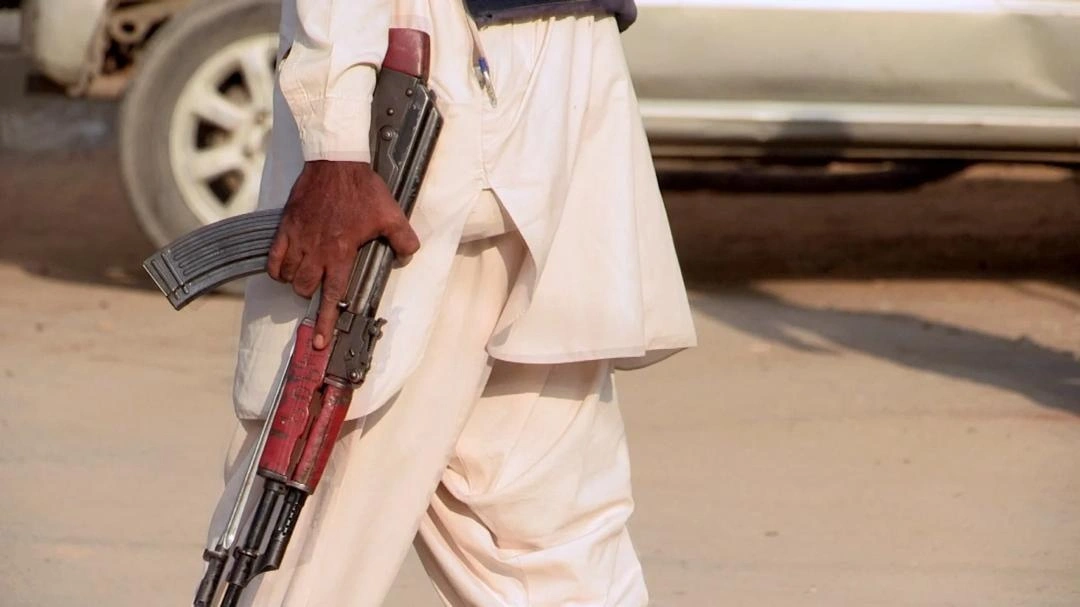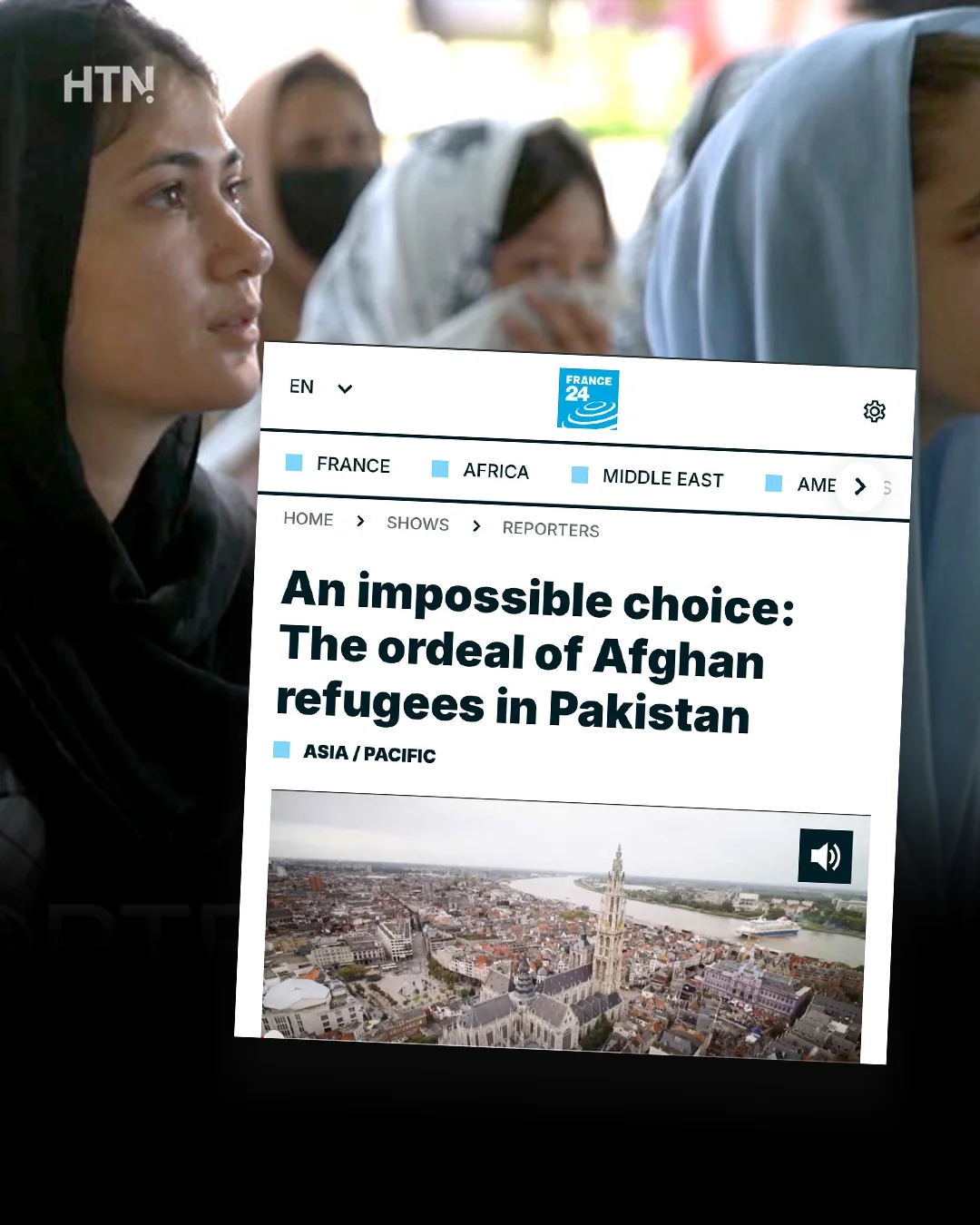
ISLAMABAD: The recent France 24 report, produced by Shah Zubair Waleh, Sonia Ghizali, and Ondine de Gal in collaboration with Ehsanullah Ahmadzai, presents Pakistan’s policy on returning illegal Afghan refugees in a highly emotional light. Titled “Pakistan: A Trial for Afghan Refugees”, the coverage focuses on one Afghan family to portray Pakistan’s decision as inhumane and harsh.
The story highlights Muhammad, an Afghan born in Pakistan in 1982, who is now forced to return to Afghanistan with eight children. Through footage of police raids, eviction threats, and children’s emotional reactions, France 24 aimed to evoke sympathy while ignoring legal, security, and economic considerations behind Pakistan’s policy.
Analysts Point Out Misrepresentation
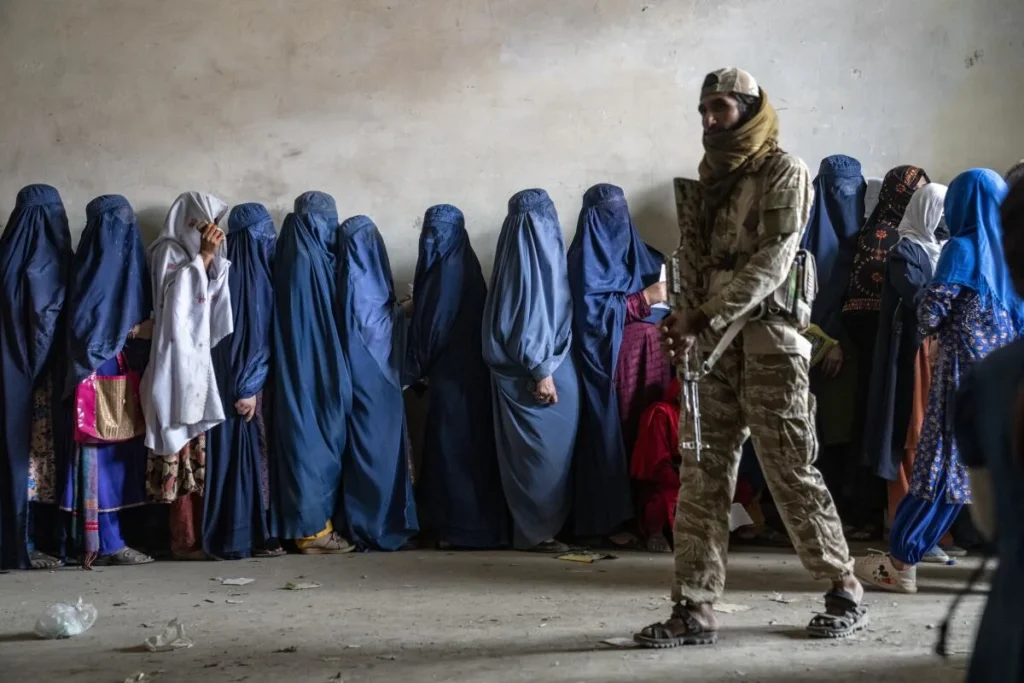
Experts argue that the report reflects a narrative that blurs the distinction between Afghan and Pakistani identities, omitting key context. It fails to note that Pakistan has hosted over 4 million Afghan refugees over the past 40 years, an effort unmatched by Western countries.
New In!!
— HTN World (@htnworld) October 25, 2025
Analysts say @France24_en ’s report on Afghan refugees in Pakistan is unbalanced, highlighting emotional narratives while ignoring Pakistan’s 40-year hosting of over 4M refugees. Experts argue it promotes a negative narrative, overlooking legal, security, and economic… pic.twitter.com/JDsEG3TzLg
Additionally, the report ignores that Pakistan is not a signatory to the 1951 Refugee Convention yet has provided long-term refuge to Afghan citizens, whereas many Western nations tolerate illegal migrants only briefly.
Observers contend that France 24’s report exaggerates emotional elements to frame a lawful administrative decision as controversial internationally, undermining journalistic balance and strengthening a negative perception of Pakistan globally.