
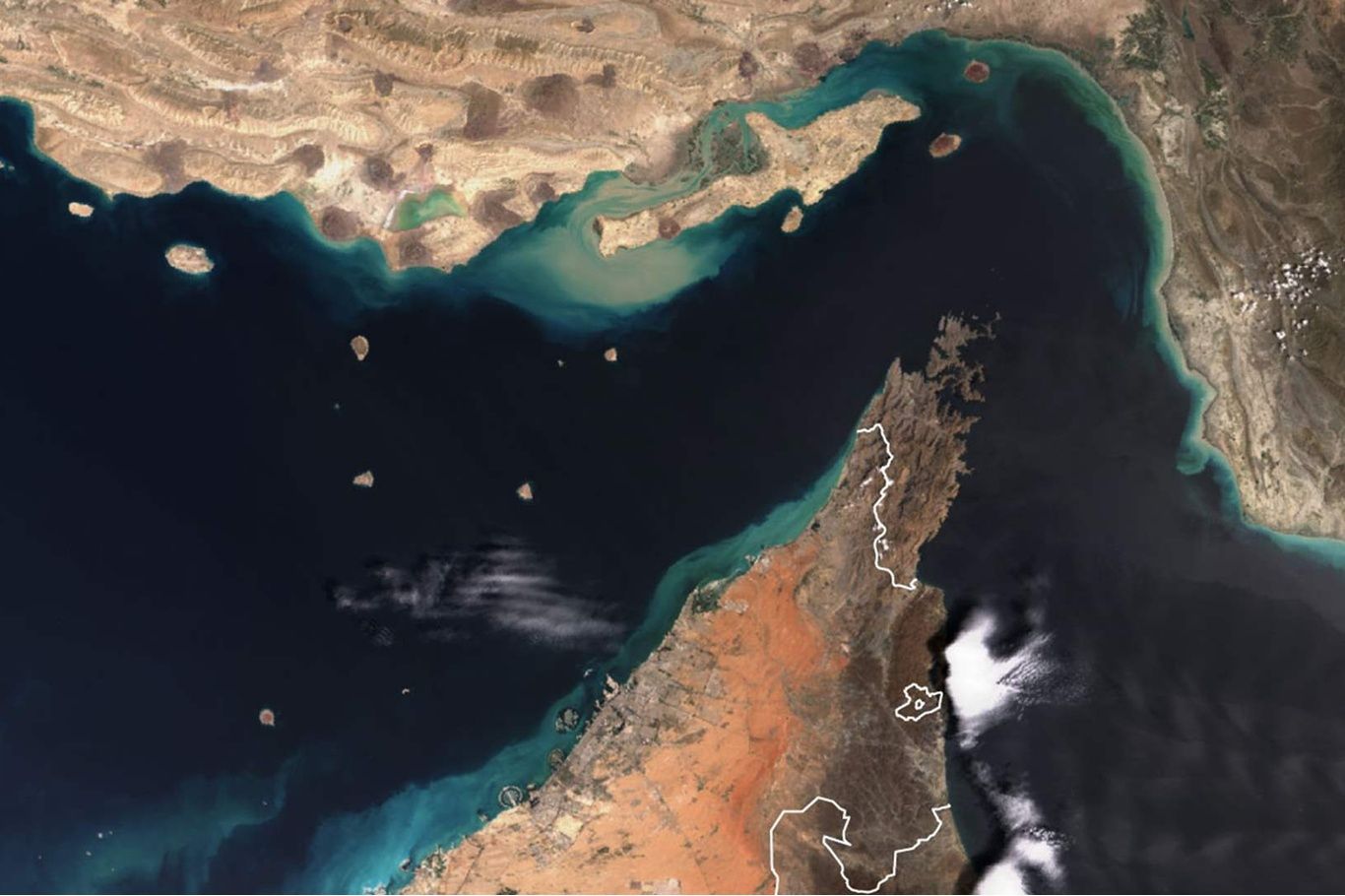
Iran has once again announced the closure of the Strait of Hormuz, sparking global concern. According to news agencies, the Iranian military said the Strait was closed in response to a US blockade and will remain shut until American restrictions are lifted.
A spokesperson for the Khatam al-Anbiya Central Command said the Strait of Hormuz is fully under Iranian control and security has been tightened in the region. Officials stated the move is aimed at protecting national sovereignty and responding to external pressure.
In a written message on Iran’s Army Day, Mojtaba Khamenei did not take a clear position on key issues such as the Hormuz Strait or Iran–US negotiations.
He warned “enemies” that the Iranian navy is ready to deliver “new defeats,” without providing further details.
Importance of Army Day in Iran
Since the 1979 Islamic Revolution, Iran marks Army Day annually. In his message, Mojtaba Khamenei praised the armed forces, calling them the “army of Islam” and highlighting their defense capabilities.
Supreme Leader’s Absence from Public View
Reports say Mojtaba Khamenei has not appeared publicly since becoming Supreme Leader in March, and all his messages have so far been issued in written form.
Tensions Continue in the Strait of Hormuz
US Central Command says 23 ships were redirected after the closure. Iran has also tightened control over the waterway in response.
Iran Calls US Blockade “Piracy”
Iranian officials described US actions as “maritime piracy” and said strict monitoring of the Strait will continue until restrictions on Iranian vessels are lifted.
Uncertainty Over Talks
Iranian media report that Tehran has not agreed to the next round of talks with the US, raising fears of further escalation.
Gulf States Support De-escalation
Qatari defense analyst Nawaf Al Thani said Gulf countries want a return to pre-crisis conditions and free navigation in the Strait of Hormuz.











