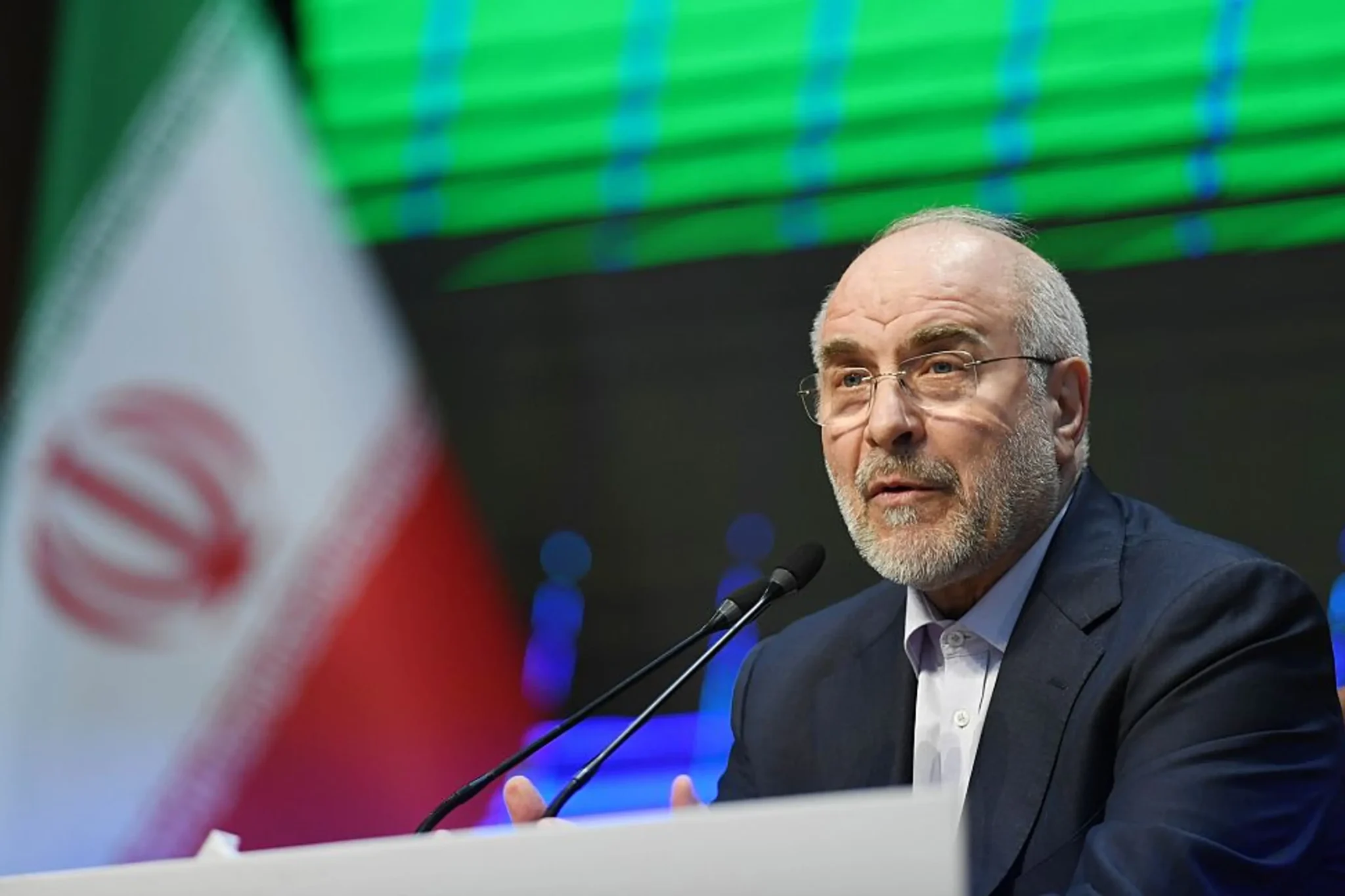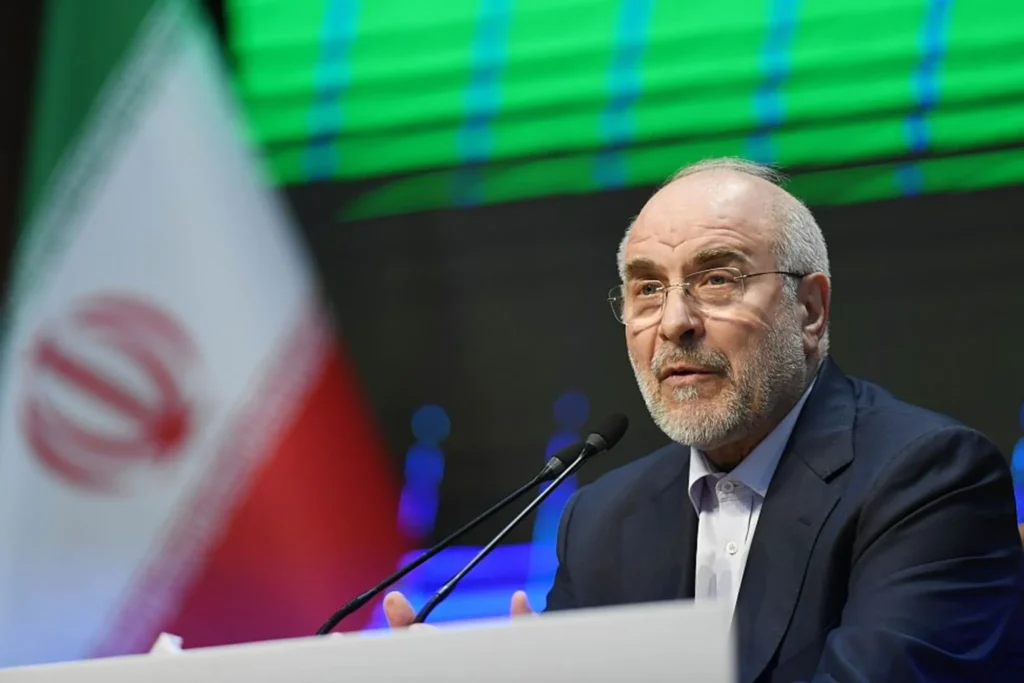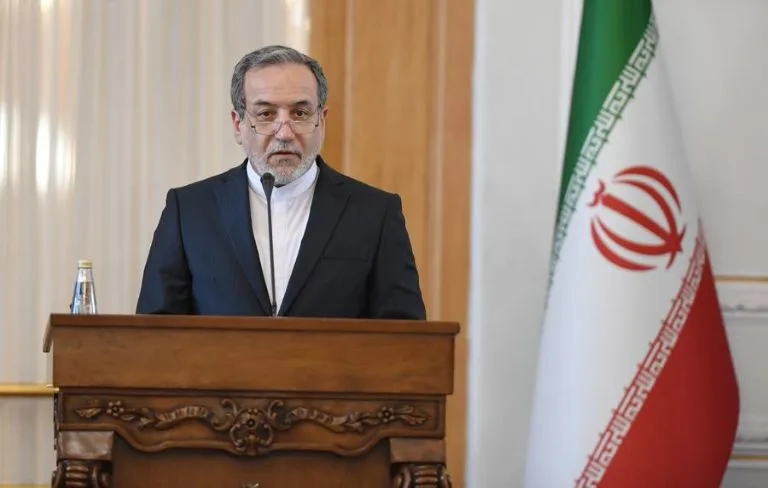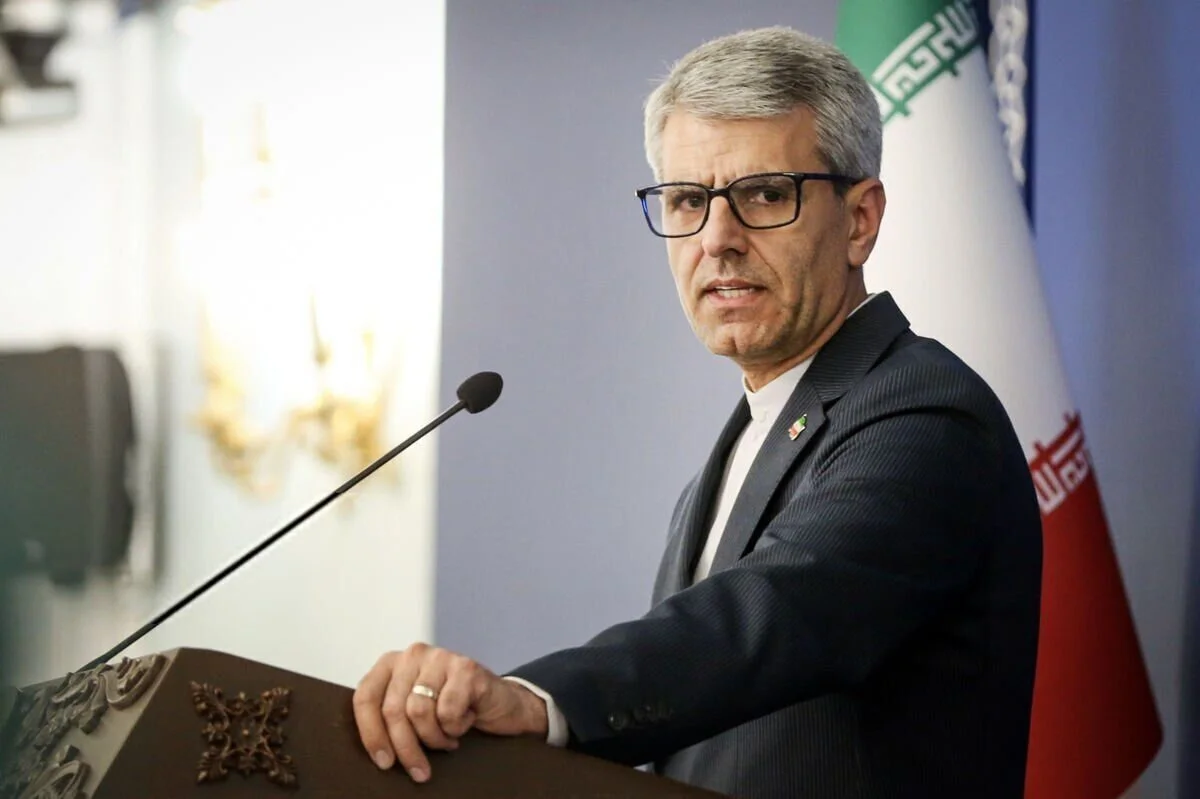
Iran’s Foreign Ministry spokesperson, Ismail Baghaei, said that while some progress has been made in negotiations between Iran and the United States, a comprehensive agreement should not be expected in a single sitting. He stressed that it was natural not to reach a final deal in one meeting, adding that no side had expected such an outcome. According to him, differences between the two sides still exist, and the process of dialogue will continue.
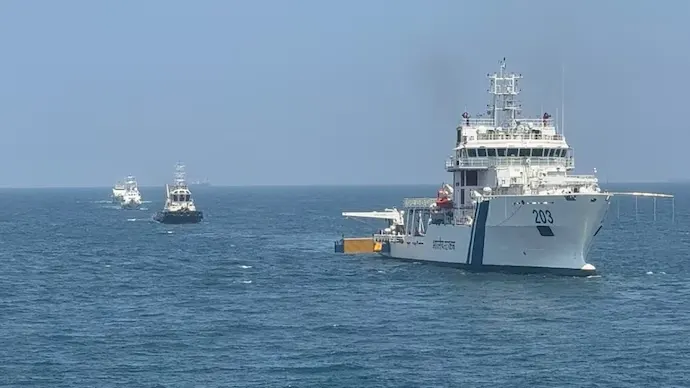
He noted that the recent round of talks lasted for more than 24 hours, during which several key issues were discussed in detail. According to Baghaei, sensitive topics such as the Strait of Hormuz, the nuclear program, war reparations, the lifting of sanctions, and a complete end to regional conflict were part of the discussions.
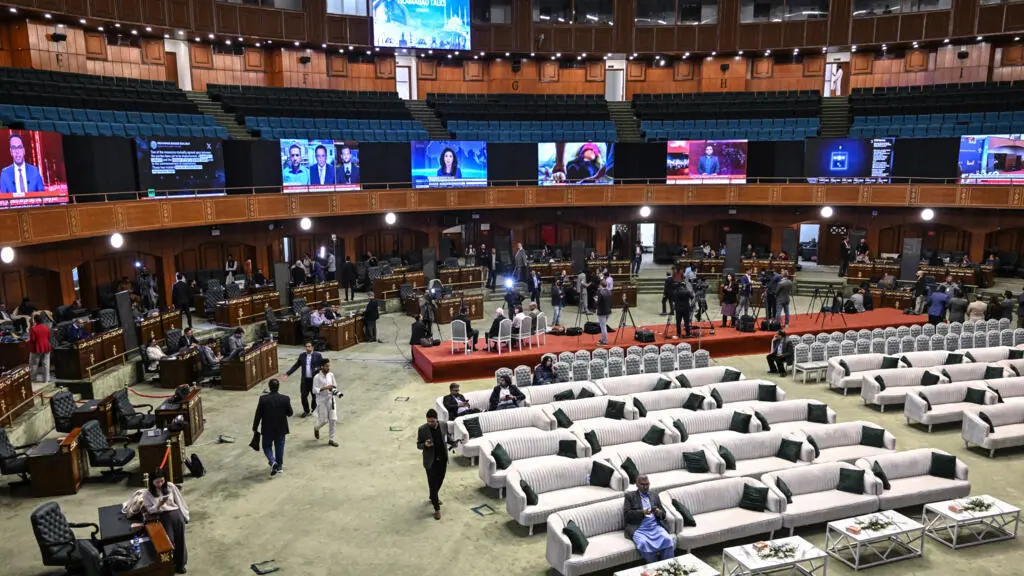
The Iranian spokesperson added that some new issues were also introduced during the talks, and both sides exchanged messages as well as written drafts. Iran’s negotiating team, as quoted by state media, said they presented reasonable proposals during the Islamabad talks and emphasized that the responsibility now lies with the United States to respond realistically. They maintained that Iran is in no rush and warned that without a reasonable agreement, there would be no change in the current situation, particularly regarding the Strait of Hormuz.
Baghaei emphasized that diplomacy remains a key tool for protecting Iran’s national interests and that all possible means will be used for this purpose. He further clarified that Iran will stay in continuous coordination and consultation with Pakistan and other friendly countries in the region.
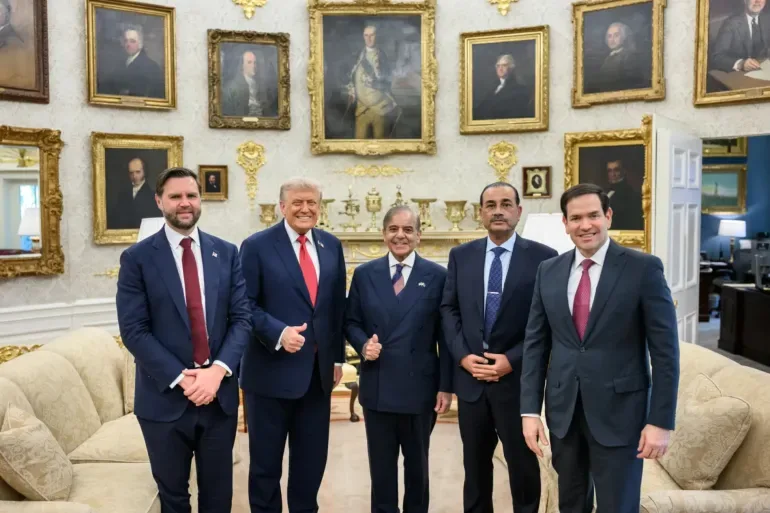
He also thanked the government and people of Pakistan, as well as Prime Minister Shehbaz Sharif, stating that the host country played a positive and effective role in advancing the negotiation process.
It is worth noting that Iranian officials had earlier indicated that partial agreements had been reached on some points, but two to three major issues are still blocking a final deal. Disputes over Iran’s nuclear rights and control over the Strait of Hormuz remain key obstacles. According to analysts, ongoing diplomatic engagement shows that both sides are moving toward gradual progress rather than a complete deadlock, with Pakistan emerging as a key diplomatic bridge in the process.
Read more:DPM Highlights Pakistan’s Role, Urges Continued Dialogue in Closing Remarks of Islamabad Talks