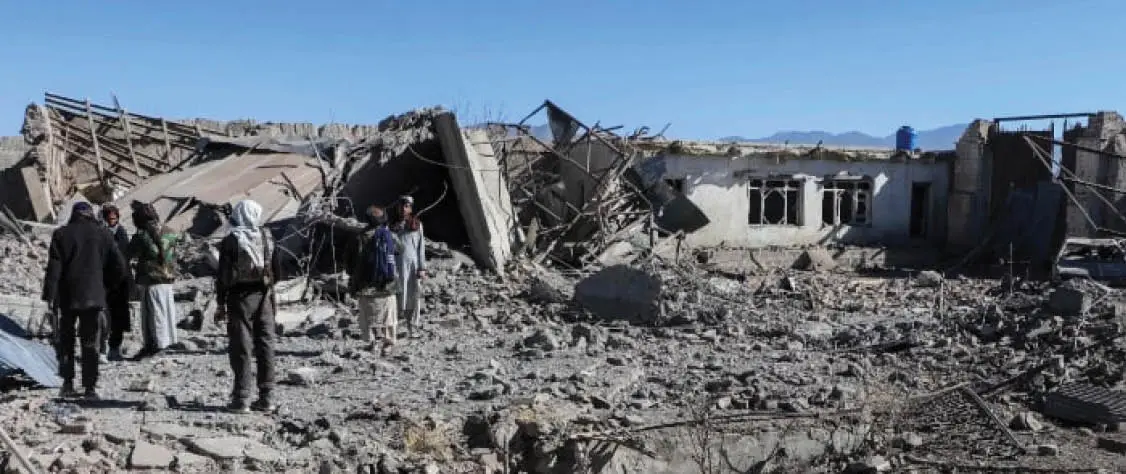
Pakistan has strongly rejected allegations that a mosque or madrassah was deliberately targeted during recent cross border strikes, stating that the operation focused only on terrorist infrastructure. Officials say claims of Quran desecration and attacks on religious places are unverified and ignore the wider reality of how Afghan soil has been used for repeated attacks against Pakistan.
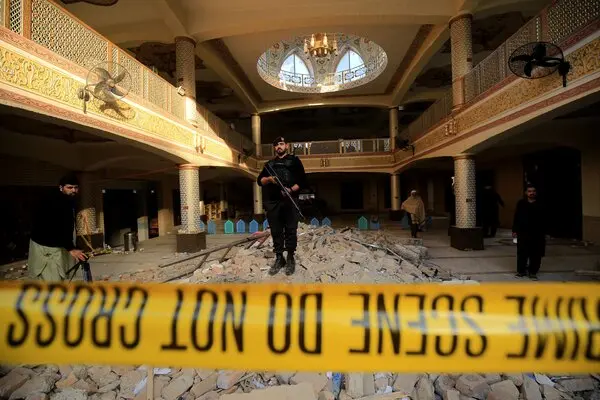
Security sources said the strikes followed a series of deadly assaults inside Pakistan, including recent incidents in Islamabad, Bajaur, and Bannu. These attacks were claimed by the Tehreek e Taliban Pakistan and traced back to operational networks across the border. Authorities stressed that Pakistan acted after sustained warnings and intelligence sharing failed to stop cross border violence.
Afghan Territory and the Pattern of Terror Activity
At the same time, Pakistan has pointed to international findings that highlight how militant groups continue to operate from Afghan territory. United Nations monitoring reports have noted the presence of multiple armed groups and the use of smuggling routes, including fuel and oil networks, to fund terrorist activity.
Meanwhile, ISPR briefings have stated that Pakistan’s response was intelligence based and carefully planned. Officials say the aim was to disrupt terror cells responsible for attacks on civilians and security forces, not to harm religious institutions.
Pakistan also rejects claims from groups that accuse it of targeting madrassahs. Officials note that the same groups have a documented record of attacking mosques, imambargahs, and public places inside Pakistan, killing innocent worshippers and civilians without hesitation.
Terror Groups and Misuse of Religious Spaces
Furthermore, security officials say militant groups often misuse religious labels to protect their operations. Some sites are presented as mosques or madrassahs while being used for meetings, storage, or planning attacks. Pakistan argues that turning sacred places into military assets is itself a violation of religious values.
Authorities stress that responsibility for civilian risk lies with those who embed armed activity within civilian or religious areas. They say faith cannot be used as a shield for violence or as a tool to spread outrage after terror sites are hit.
Additionally,Pakistan maintains that its actions were defensive and unavoidable. Officials say counter terror measures become necessary when enforcement is ignored and safe havens remain active. They add that peace will not come through accusations, but through ending the use of Afghan soil for attacks and dismantling terrorist networks.
Read more:Islamabad Imambargah Attack Mastermind Arrested as Interior Minister Praises Security Forces