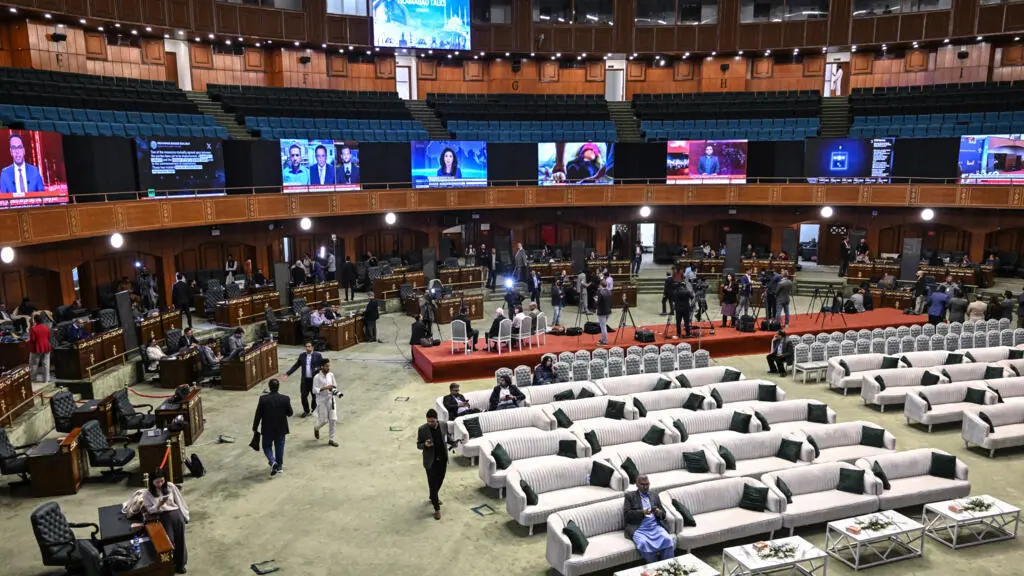
Islamabad: After long discussions between the United States and Iran, the talks ended without any result. The 21-hour negotiations, aimed at ending a 47-year-long hostility, failed to produce an agreement. Shortly after the talks, Trump issued a detailed and strongly worded statement that signaled rising tensions alongside diplomatic efforts.
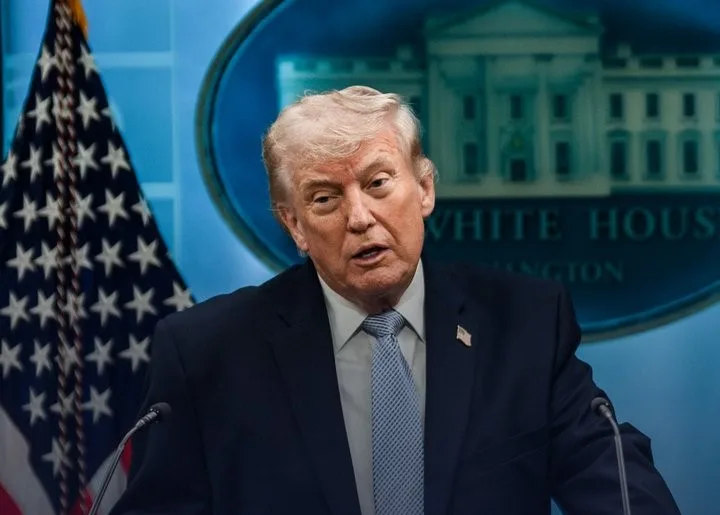
In his remarks, Trump said the talks went well and there was agreement on most points. However, he stressed that the core issue remained unresolved, as Iran was not willing to step back from its nuclear program.
He made it clear that the United States cannot allow Iran to develop or possess nuclear weapons under any circumstances.
Why did the talks fail?
Trump’s statement is being seen not just as a political reaction but as a clear escalation signal. He directly held Iran responsible and highlighted that the main obstacle was its nuclear stance rather than the venue or the negotiation process itself.
He said Iran is not ready to abandon its nuclear ambitions, and this remains the central issue on which no compromise is possible. Through this message, the U.S. appears to be signaling allies, markets, and the international community that while diplomacy was attempted, Iran’s position blocked progress.
Strait of Hormuz and rising pressure
One of the most critical and concerning parts of Trump’s statement was his reference to the Strait of Hormuz.
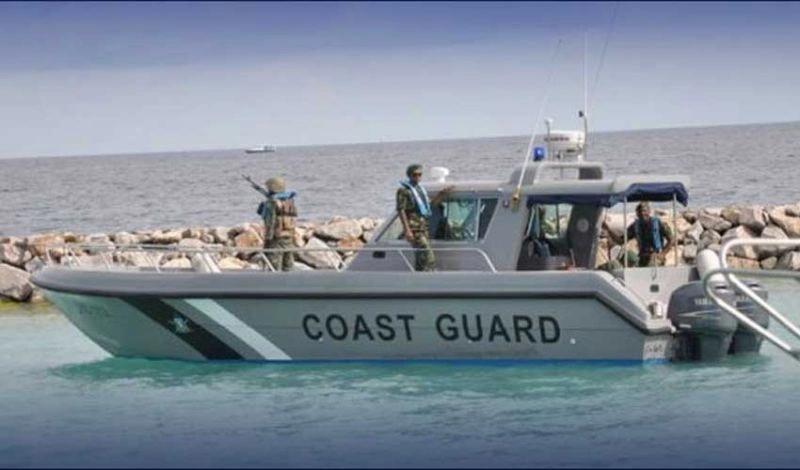
He said the U.S. Navy would begin immediate operations to stop vessels passing through the route if they support or pay tolls to Iran. He described Iran’s actions as “global extortion” and warned that any attack on American or peaceful shipping would be met with complete destruction.
This suggests a shift toward stronger military pressure alongside diplomatic efforts.
Military developments alongside statements
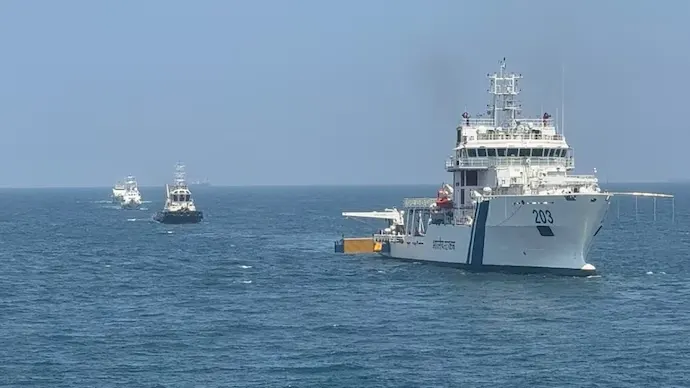
Reports indicate that the U.S. Navy has already increased its presence in the region, including mine-clearing operations in the Strait of Hormuz. Iran, however, has rejected these claims.
This shows that the situation is not only political rhetoric but part of an active strategic and military posture, increasing regional sensitivity.
Global risks
The Strait of Hormuz is one of the world’s most important maritime routes for oil shipments. Any disruption could have serious consequences for global energy supplies, prices, and economic stability.
Experts warn that escalating tensions could push oil prices higher and create shocks in the global economy.
Pakistan’s role acknowledged
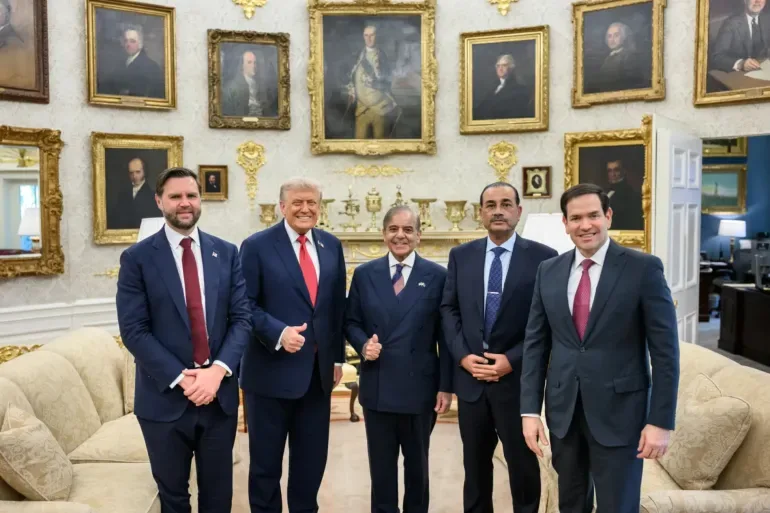
Trump also praised Pakistan’s role in the negotiations, specifically mentioning Prime Minister Shehbaz Sharif and Field Marshal Asim Munir for their leadership and hospitality.
This acknowledgment suggests that the failure of talks was not due to the hosting arrangements but rather fundamental disagreements between the two sides.
Diplomacy and pressure side by side
The statement also shows that the United States is now pursuing a dual approach, combining diplomacy with military pressure.
Trump said a “final offer” has been made and Iran must now decide. He also hinted that further tough measures could follow if needed.
Iran’s position remains firm
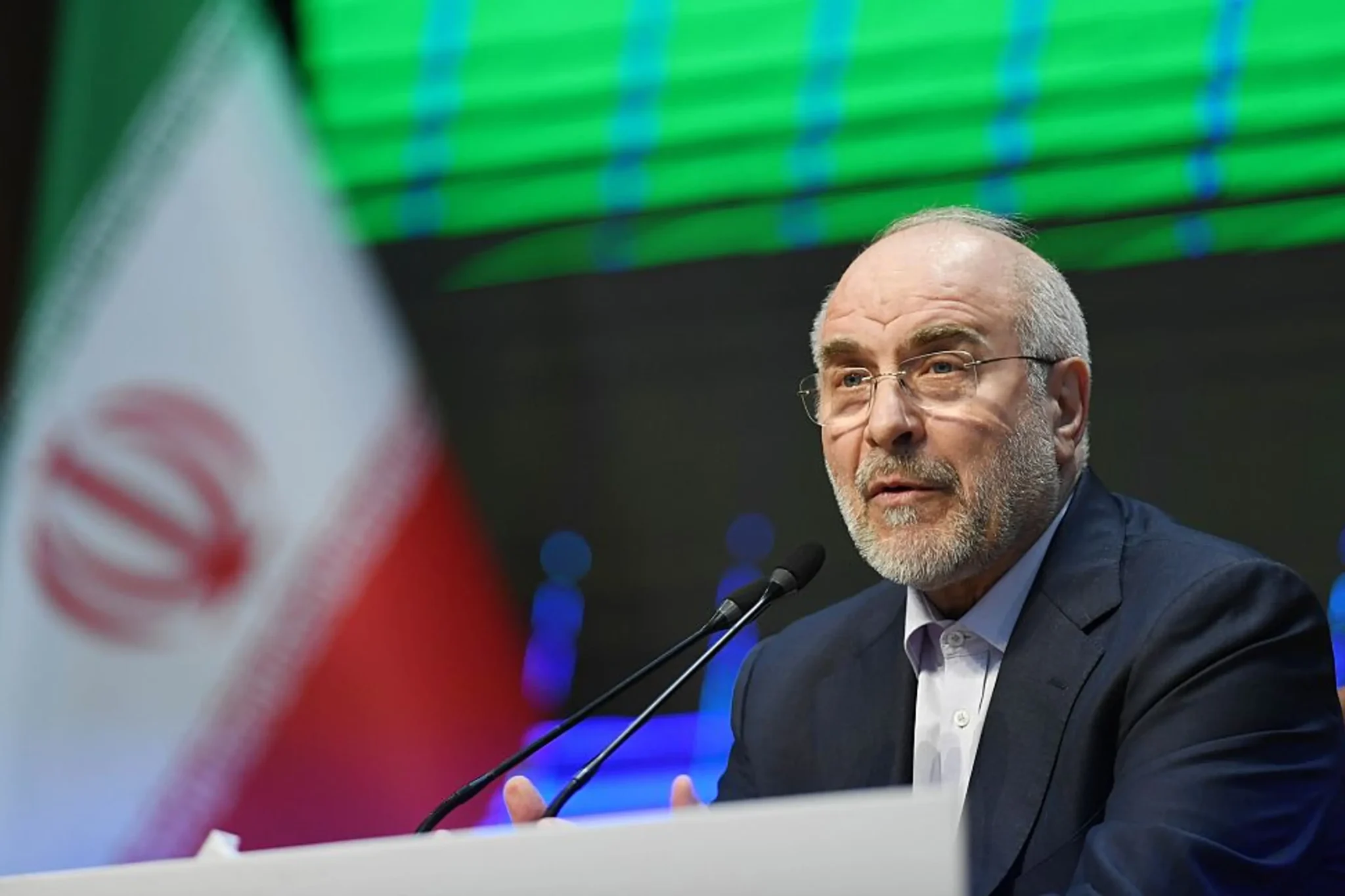
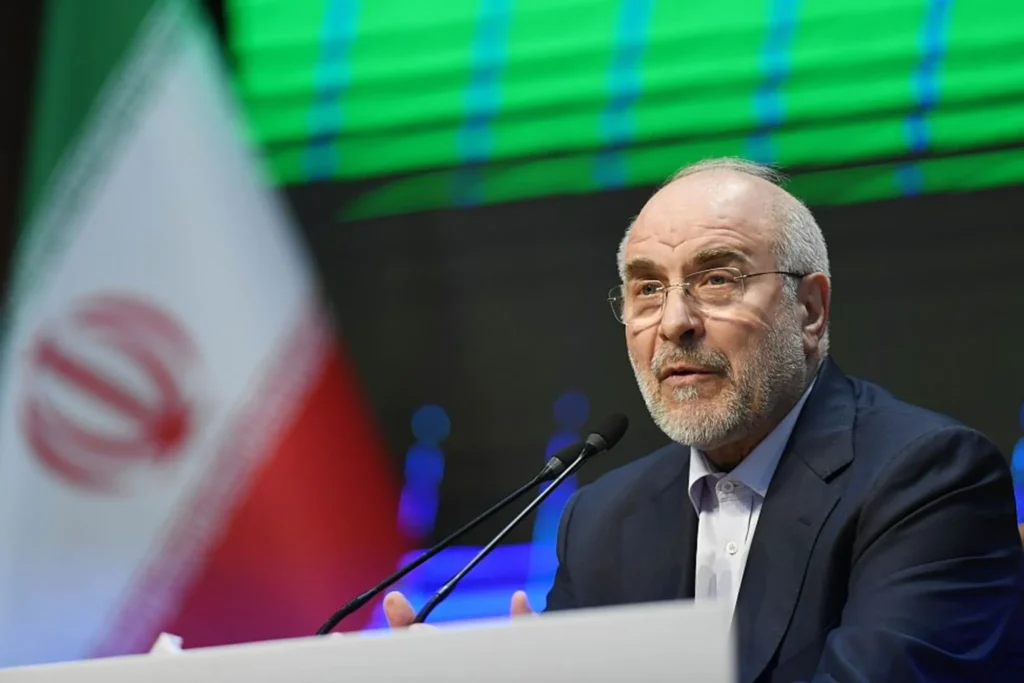
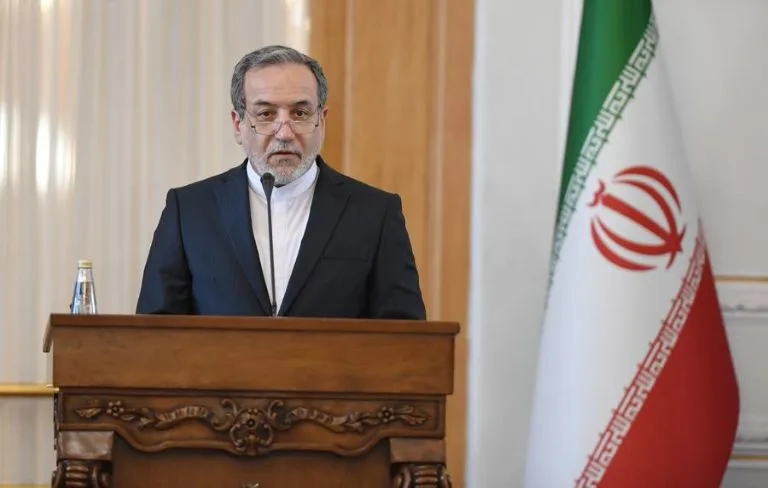
Iran has maintained that it will not accept pressure on its nuclear program. Iranian officials said progress was made in talks, but major differences remain unresolved. They also emphasized that lack of trust remains the biggest barrier to any final agreement.
A fragile balance between war and diplomacy
International media is viewing the situation as a dangerous turning point, where diplomatic efforts are being overshadowed by military signals.
Experts stress that maintaining the ceasefire, securing maritime routes, and keeping diplomatic channels open is essential. Any escalation could destabilize not only the region but also the global system.
Pakistan between war and diplomacy
The Islamabad talks opened a path for diplomacy, but Trump’s latest statement has placed the process at a sensitive crossroads.
Pakistan now faces the challenge of maintaining balance, supporting dialogue, and ensuring regional stability. Observers say this is crucial for preventing further escalation and keeping the door open for a long-term solution.