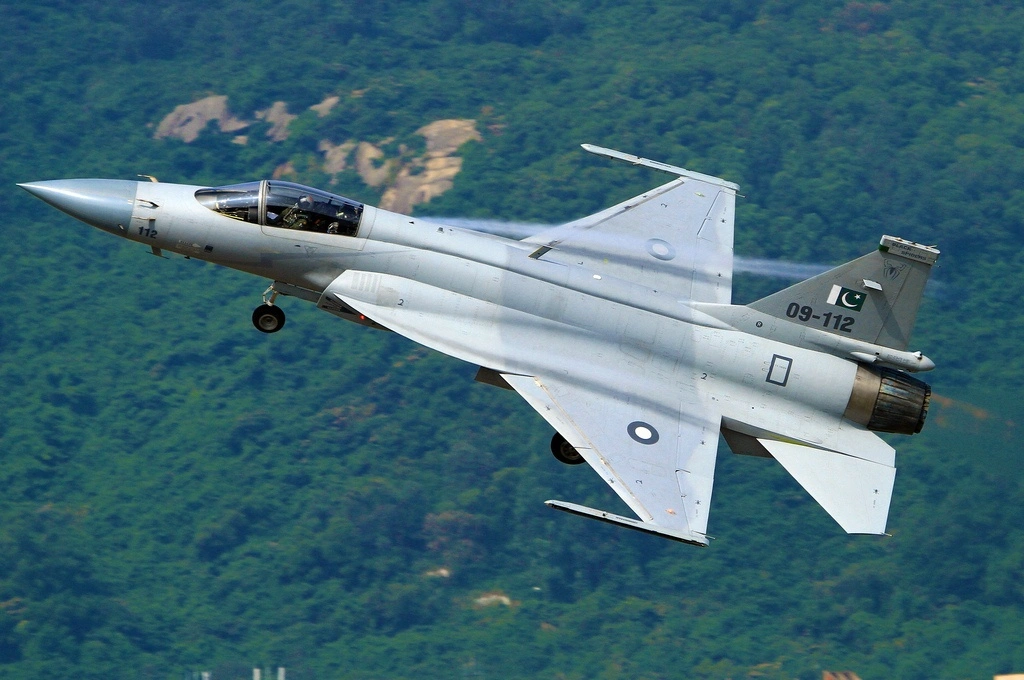
Islamabad – Pakistan is increasingly positioning itself as a player in the global defense market, with the JF-17 Thunder fighter jet emerging as a cornerstone of this ambition. Jointly developed with China and manufactured at the Pakistan Aeronautical Complex, the JF-17 is pitched as an affordable, capable alternative to Western fighters, priced between $30–40 million — far below rivals like the Dassault Rafale.
The aircraft has not only demonstrated combat potential but has also become a symbol of Pakistan’s broader economic strategy: transitioning from a primarily textile- and agriculture-based economy into one that can compete in the global arms market.
Growing Export Footprint
Following the 2024 International Defence Exhibition and Seminar (IDEAS) in Karachi, Pakistan announced a series of Memoranda of Understanding (MoUs) potentially worth $30 billion. Among these, a $4.6 billion deal with Azerbaijan stands out, highlighting the jet’s appeal in markets looking for affordable, multi-role combat aircraft.
The JF-17 has already completed export deals to countries including Nigeria and Myanmar, while ongoing negotiations suggest Pakistan is actively courting additional buyers in Africa, the Middle East, and Southeast Asia. Analysts note that while China supplies key components and must approve exports, the jet’s performance and affordability make it an attractive option for nations seeking cost-effective airpower.
Strategic and Economic Implications
Supporters argue that the JF-17’s combat credibility — tested during clashes with India — lends weight to Pakistan’s export pitch. The revenue from foreign sales could also help the country diversify its economy and reduce reliance on international financial support. However, experts caution that converting MoUs into firm contracts and scaling production remain critical challenges. Without meeting global standards for quality, delivery schedules, and support, ambitions could fall short of projections.
Balancing Diplomacy and Defence
Pakistan’s defense export strategy is also a diplomatic tool. By providing relatively affordable, versatile aircraft to partner nations, Islamabad seeks to strengthen regional ties and expand its influence in emerging markets. Observers suggest that successful defense exports could also enhance Pakistan’s strategic leverage while fostering collaboration with China and other allies in technology and aerospace development.
Looking Ahead
The JF-17 Thunder represents more than just an aircraft; it embodies Pakistan’s effort to redefine its economic and strategic trajectory. With ongoing negotiations, potential multi-billion-dollar deals, and the backing of Chinese technology, the program could signal a new era for Pakistan’s defense industry — provided it can maintain production quality, timely delivery, and international confidence in its capabilities.
As Pakistan continues to showcase the JF-17 on international stages, the world watches closely to see whether this ambitious leap from textiles and agriculture to high-tech defense exports will achieve lasting success.