Skip to content
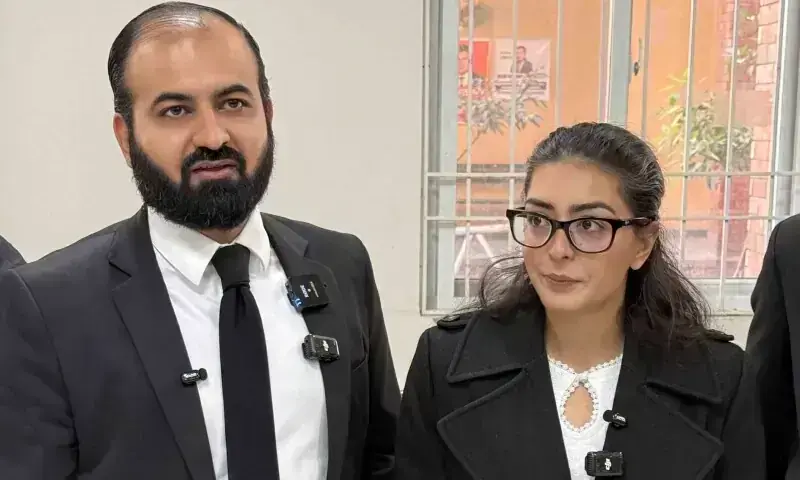
Lawyers Imaan Zainab Mazari-Hazir and Hadi Ali Chattha have filed criminal appeals in the Islamabad High Court (IHC), challenging their conviction in the social media posts case and seeking suspension of sentence and release during the pendency of appeal.
The move follows the January 24 verdict that awarded multiple prison terms under the Prevention of Electronic Crimes Act (PECA).
The filing itself was expected. Criminal appeals carry a statutory limitation period, and convicted persons routinely approach appellate courts.
What matters now is not the act of filing, but the substance and the wider purpose behind the challenge.
An appeal framed as narrative not law
The appeals argue procedural violations, including a pending transfer application, limits on cross-examination, video-link proceedings and allegations around arrest. These points will be tested by the court.
However, it is important to note that the trial court found the prosecution’s case proven under PECA sections relating to glorification of an offence, cyberterrorism and false information. Until set aside that conviction stands.
Support for the appellants is not driven only by their personal circumstances. Many voices rallying behind the case are openly focused on weakening Prevention of Electronic Crimes Act itself.
The goal, critics argue, is to dilute the law so that online actors who spread disinformation glorify violence or amplify extremist narratives can operate with fewer consequences.
In this sense, the appeal reads less like a technical correction of errors and more like an attempt to reframe accountability as persecution.
Why the case matters for national security
The timing is also critical. Pakistan has faced renewed terrorism, particularly in Balochistan. In such an environment, the state has signaled a firmer line against content and conduct that enable or excuse violence.
Authorities maintain that there can be no tolerance for narratives that undermine internal stability or provide cover for terrorism sympathizers.
This does not mean appeals should not be heard. Due process must run its course. But it does mean the debate should be honest. Challenging a conviction is a legal right but portraying enforcement of PECA as an attack on free expression is a political choice.
The IHC will decide the merits. Until then, the message from the government is clear which is laws meant to protect public safety will be defended and convictions grounded in evidence will not be undone by pressure campaigns.
Read more: PHC Leniency in Police Lines Suicide Blast Case Questions Fight Against Terror