
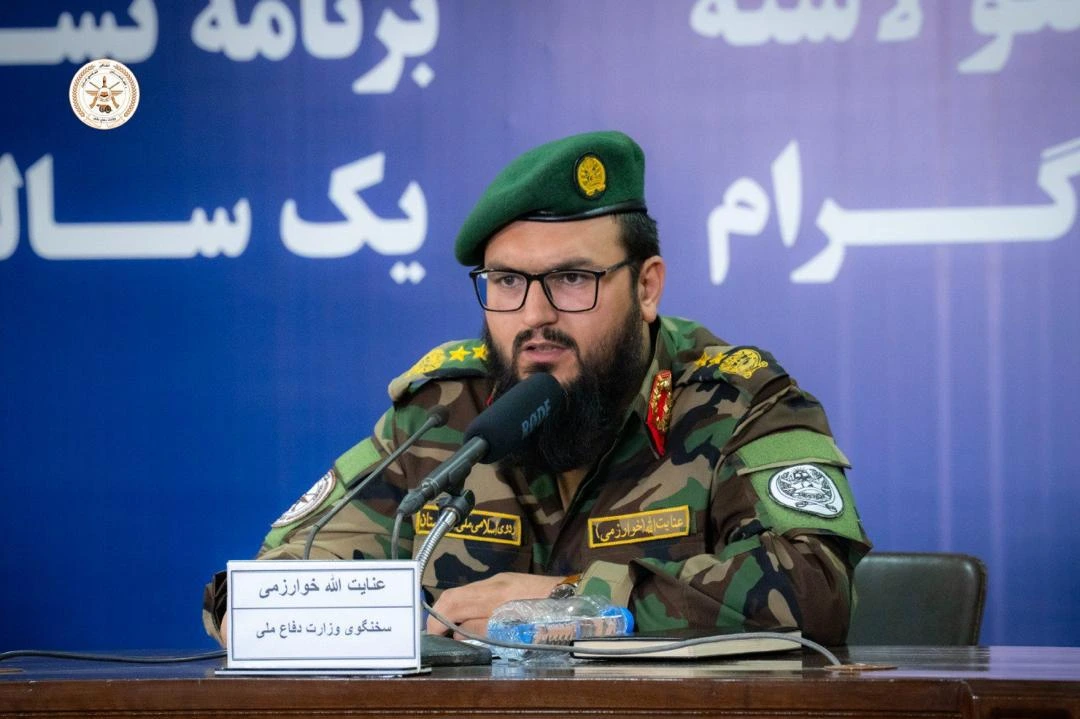
Kabul Rejects Allegations Amid Rising Security Concerns
Afghanistan’s Taliban-led Ministry of Defence has dismissed Pakistan’s claims of cross-border terrorism, asserting that Afghan territory is secure and not being used against any state. Spokesperson Enayatullah Khawarzami described Islamabad’s concerns as unfounded, portraying Afghanistan under Taliban rule as stable and peaceful.
Regional Security Debate
Despite these assurances, regional discourse continues to highlight evidence of militant safe havens inside Afghanistan. United Nations Monitoring Team reports have documented the presence of more than twenty regional and international extremist groups operating within Afghan territory since the Taliban’s return to power in 2021. These findings have intensified doubts about Kabul’s capacity and willingness to dismantle entrenched militant networks.
Beyond Condemnations
Security analysts argue that issuing condemnations after terrorist attacks does not replace the responsibility of a governing authority to prevent recruitment, training, financing, and cross-border movement of militants. Violence linked to Afghan-based groups underscores the challenges of enforcing security along porous borders.
Pakistan maintains that terrorism is a transnational threat requiring collective accountability. Officials warn that dismissing cross-border facilitation risks ignoring operational linkages between militant actors and safe havens outside Pakistan’s jurisdiction.
Governance and International Scrutiny
The Taliban’s claims of Islamic governance face growing international criticism, particularly over restrictions on women’s education, employment, and public participation. Scholars and legal experts have questioned whether practices such as collective punishments and curbs on civil liberties align with established Islamic jurisprudence.
Analysts stress that long-term stability in the region depends on Afghanistan denying extremist groups territorial sanctuary, logistical support, and operational freedom. Continued militant presence risks deepening mistrust among neighbors and complicating counterterrorism cooperation across South and Central Asia.











