In the aftermath of the deadly terrorist attack on an Islamabad imambargah, which claimed dozens of innocent lives, a troubling trend has re-emerged on social media: the exploitation of national tragedy to push speculative and divisive narratives.
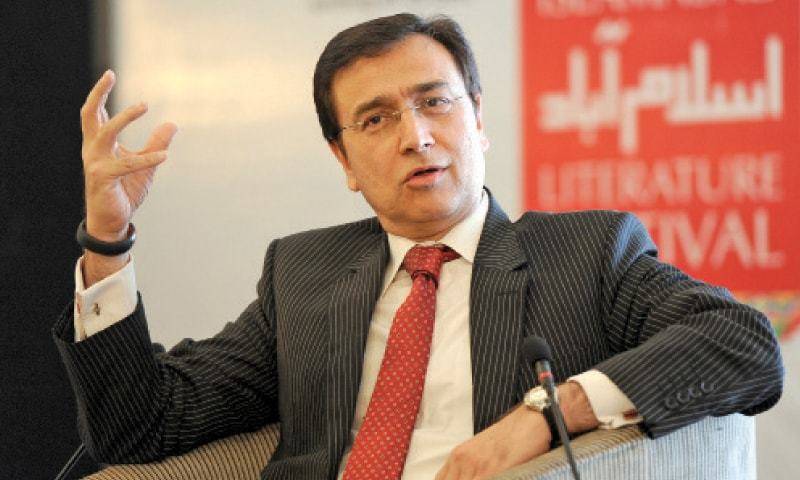
Notorious commentator Moeed Pirzada recently initiated a poll on X questioning whether the attack was orchestrated by India and Afghanistan or linked to Pakistan’s internal politics ahead of February 8 protests, an insinuation widely criticised as irresponsible and unfounded.
Such framing deliberately blurs the line between evidence-based analysis and conjecture. Pakistan has repeatedly shared documented evidence with the international community regarding India’s sponsorship of terrorist networks operating inside Pakistan, a position acknowledged in multiple diplomatic forums.
Despite this, certain overseas voices continue to deflect attention away from external state-sponsored terrorism, choosing instead to promote theories that undermine national institutions without substantiation.
Security analysts argue that presenting a false equivalence between proven external threats and imagined internal conspiracies serves no purpose other than amplifying confusion, mistrust, and polarization at a moment of national grief.
These narratives, they say, align more closely with personal vendettas and audience-building strategies than with journalistic responsibility.
The credibility of such commentary is further questioned by the legal standing of the individuals involved. According to court proceedings, an Anti-Terrorism Court (ATC) in Islamabad has issued perpetual arrest warrants against Moeed Pirzada and Sabir Shakir in connection with cases related to incitement and vandalism during the May 9, 2023 unrest.
Both individuals, currently residing abroad, were declared proclaimed offenders after failing to appear before the court.
More recently, an ATC handed down multiple life sentences in absentia to several individuals, including Pirzada and Shakir, in cases described by the prosecution as “digital terrorism.”
The court ruled that online content disseminated during the May 9 riots constituted offenses under anti-terrorism laws due to their impact on public order and national security.
Critics argue that these individuals, driven by hostility toward state institutions, increasingly rely on sensationalism and conspiracy-driven rhetoric to maintain relevance and grow social media followings.
By casting doubt on clear acts of terrorism and redirecting blame inward without evidence, they risk normalizing disinformation and eroding public trust.
At a time when unity and clarity are essential, weaponizing tragedy for personal or political gain reflects not dissent, but a dangerous disregard for facts, victims, and national security.
Read more: ATC Hands Life Sentences to Adil Raja, Haider Mehdi and Others in Digital Terrorism Case