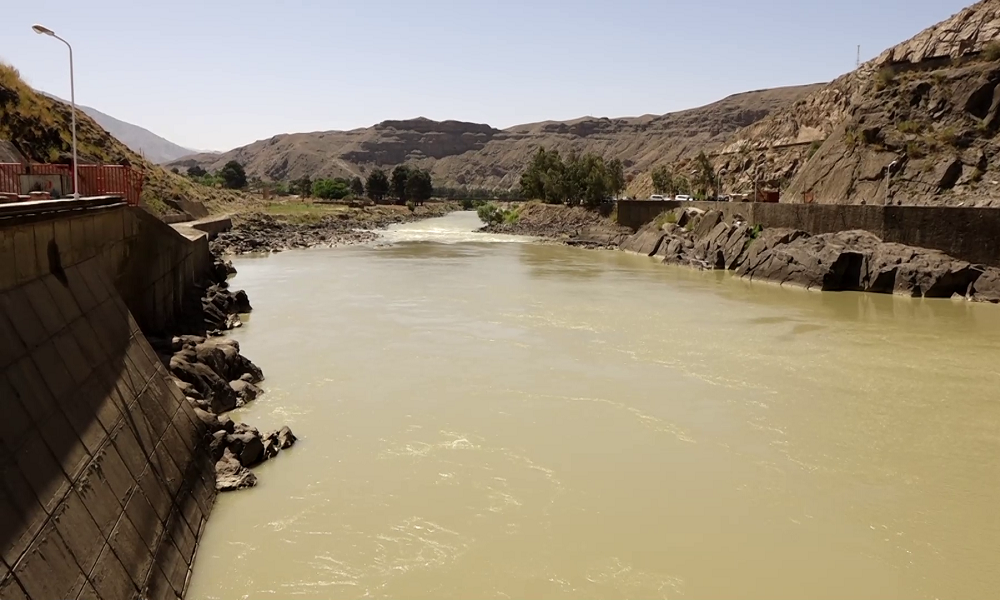
Kabul/Islamabad – Proposals to speed up the construction of a large-scale hydropower project on the Kunar river system have brought new dynamics into the water equation in the region.
The Ministry of Energy and Water in Afghanistan recently reiterated its plans to construct a mega-dam on the Kunar River, estimated to produce 1,500 megawatts (MW) of electricity, as a long-term objective to produce in the basin more than 3,600 MW of electricity.
The five-year plan encompasses 59 large and medium dams throughout the country, the cost of which is estimated to be 13.5 billion dollars.
Although some projects, such as Kamal Khan and the Kajaki expansion, are already underway or nearing completion, the recent emphasis on the Kunar and Kabul rivers, which pass straight into Pakistan, has increased regional sensitivities.
A Shared Resource and Sovereign Rights
The Taliban government insists that dam-building is a sovereign right whose purpose is to resolve power outages, increase irrigation, and control water during climate pressures.
Officials have stated that Afghanistan has no formal water-sharing treaties with downstream neighbours except for Iran and have offered verbal assurances that downstream countries “will not be harmed.”
But the river system of Kunar-Kabul is transboundary. Millions of people in the Pakistani province of Khyber Pakhtunkhwa depend on these waters as sources of agriculture, drinking water, and already existing hydropower generation. To these communities, unilateral decision-making on the flow of the river directly and significantly affects their day-to-day lives and economic stability.
The Need for Coordination
International water law tends to stress that, although upstream development is a right, there is a duty to avoid damaging downstream states by being transparent and sharing technical data.
At this moment, the active diplomatic or technical coordination between Kabul and Islamabad regarding this issue is lacking, especially since the border activities have been minimal following the recent skirmishes.
Analysts indicate that presenting the Kunar dams as an internal issue may transform water into a tactical point of disagreement. The history has indicated that shared river basins can be best served through cooperative management and not unilateral implementation.
The stated position of Pakistan acknowledges the right of Afghanistan to develop, although it emphasizes that it would only be possible to create lasting stability through negotiated frameworks.
Although the political channels are still strained, the long-term goal of connectivity and trade is common in both countries, which can be enhanced with steady, collaborative efforts to manage their shared natural resources.