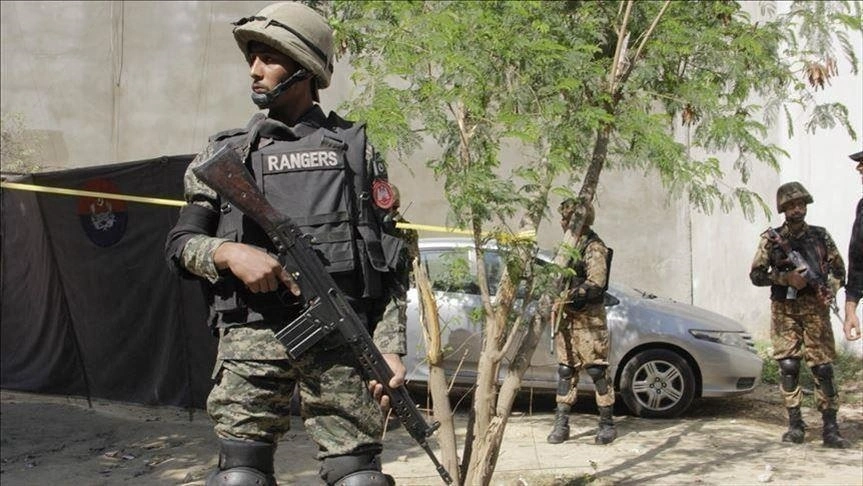
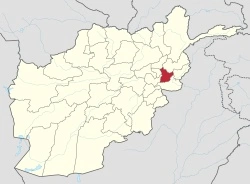
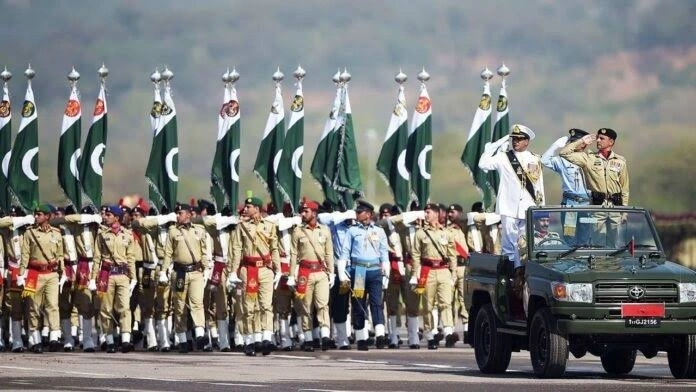
Pakistan carried out airstrikes deep inside Afghanistan on Friday, hitting major cities including Kabul, Kandahar, and parts of Paktia province. According to a report by The New York Times, the strikes marked a serious escalation in already tense relations between the two neighboring countries. Officials on both sides confirmed the attacks, saying the situation had moved beyond routine border clashes.
Soon after the strikes, Afghan officials said military sites were hit, including ammunition depots. Pakistan’s state media also reported that key Taliban facilities were targeted. While exact damage figures remain unclear, both sides acknowledged that the attacks were significant. As a result, the region has been placed on high alert, and the situation remains tense.
Border Attacks Trigger Swift Military Response
According to officials cited by The New York Times, the airstrikes came just hours after Afghan forces attacked Pakistani border positions. Afghan authorities described their actions as retaliation for earlier incidents. Pakistan, however, responded with force, saying its patience had run out.
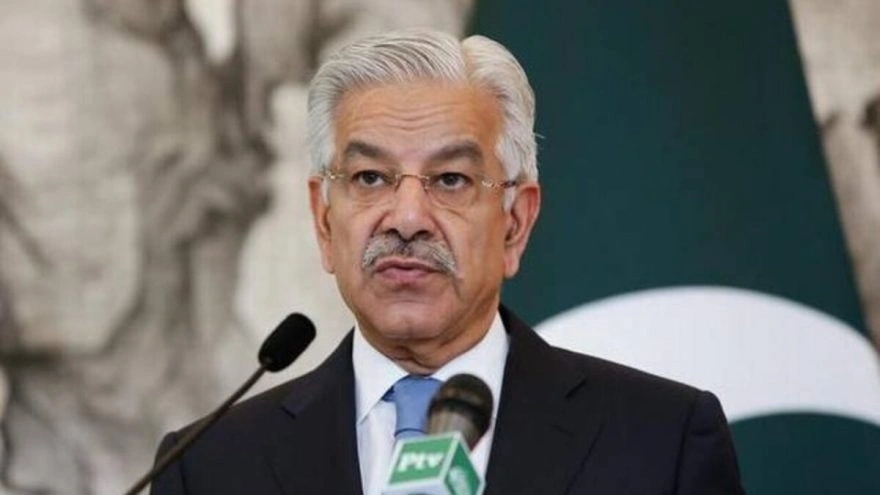
Pakistan’s defense minister used strong language, calling the situation an open conflict. Meanwhile, Taliban spokesman Zabihullah Mujahid confirmed that strikes took place in Kabul, Kandahar, and Paktia. He also claimed casualties on the Afghan side, though these numbers could not be independently verified.
At the same time, Pakistani officials said the operation was aimed at military infrastructure linked to hostile actions against Pakistan. They stressed that the goal was to defend national security and protect border areas from further attacks.
Rising Regional Concerns and Calls for Calm
Meanwhile, the conflict has raised concerns across the region. The fighting comes during the holy month of Ramadan, a time when international mediators had hoped tensions would ease. Previous efforts by countries such as Qatar, Turkey, and Saudi Arabia helped bring short-term calm, but recent events have undone those gains.
Iran has now offered to help mediate between the two sides. Its foreign minister urged both countries to resolve their differences through dialogue rather than force. However, no immediate talks have been announced.
According to The New York Times, this confrontation reflects a major shift in Pakistan’s approach toward the Taliban government. Once seen as a partner, the relationship has sharply deteriorated. For now, military operations are continuing, and Pakistan says it will protect its borders against all external threats as the situation unfolds.
Read more:Operation Ghazab lil-Haq: Taliban Sites Hit in Kabul, Paktia and Kandahar