
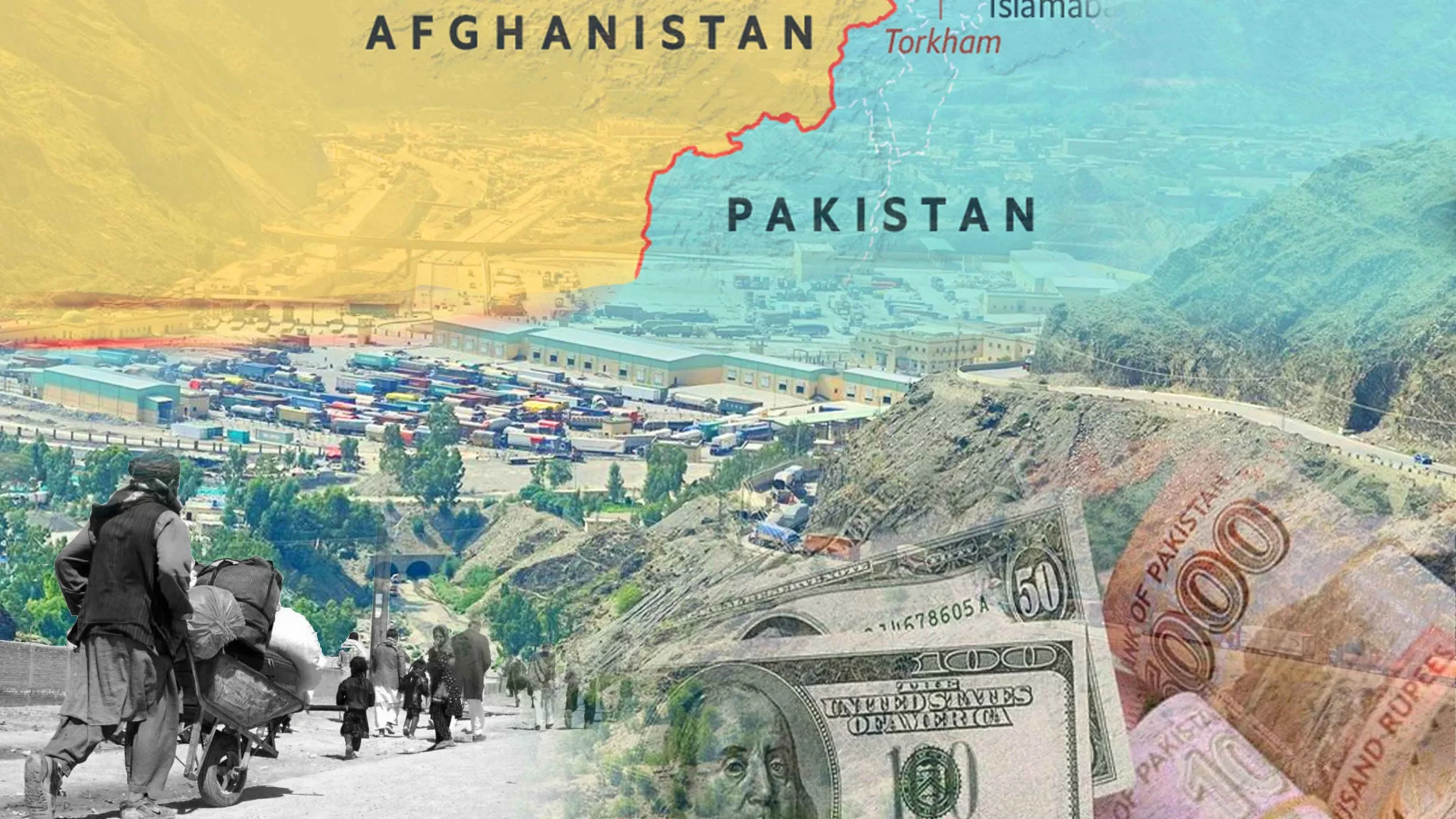
The region covering Pakistan, China, Afghanistan and Central Asia is going through an important shift in trade and connectivity. New routes are opening, especially through China, while old land routes remain uncertain due to political tensions and security issues.
Pakistan has always had a strong geographical position. It connects the Arabian Sea in the south, China and Central Asia in the north, and Afghanistan in the west. Because of this location, Pakistan has the natural potential to become a major trade hub. However, political instability and border issues have often slowed this progress.
Recently, there has been a positive development. A new trade route through China and Central Asia has become active. The arrival of the first cargo shipment from Kyrgyzstan at the Sost Dry Port is seen as an important step. It shows that regional trade is entering a new phase.
As a result, countries like Kyrgyzstan, Tajikistan, Uzbekistan, Turkmenistan and Kazakhstan may get better access to global markets through Pakistan’s Karachi port. This could improve supply chains and reduce trade costs in the long term.
Afghanistan Border Disputes Continue to Disrupt Land Trade
At the same time, trade through Afghanistan remains unstable. Key border points like Torkham and Chaman have faced repeated closures and tensions. This has weakened trade trust between the two countries.
Moreover, traders in Pakistan’s Khyber Pakhtunkhwa and Balochistan provinces have suffered major losses. Goods worth millions of dollars are stuck at borders, while small businesses are struggling to survive. This situation is now becoming a serious economic concern.
Similarly, Afghan traders also face difficulties. They depend heavily on Pakistani ports, so border closures affect both sides equally. In this way, the issue has turned into a shared economic problem.
When comparing routes, the China-based corridor is longer and more costly but more stable. On the other hand, the Afghanistan route is shorter and cheaper but remains unpredictable due to security and political tensions.
Therefore, Pakistan appears to be following a dual strategy. It is strengthening trade through China while also trying to keep land trade with Afghanistan open. This balance is important for long-term stability.
In this context, talks in Urumqi, China, are seen as a key opportunity. If progress is made, it could help reduce tensions and create a more stable trade framework in the region.
However, if uncertainty continues, the impact will go beyond traders. It could slow down investment, reduce job opportunities, and weaken regional economic growth.
In conclusion, Pakistan stands at a critical moment. New trade opportunities are emerging through Central Asia, while traditional routes with Afghanistan remain uncertain. If regional countries choose cooperation over conflict and prioritize trade over political tensions, the region could become a strong economic bloc. Otherwise, these opportunities may be lost.











