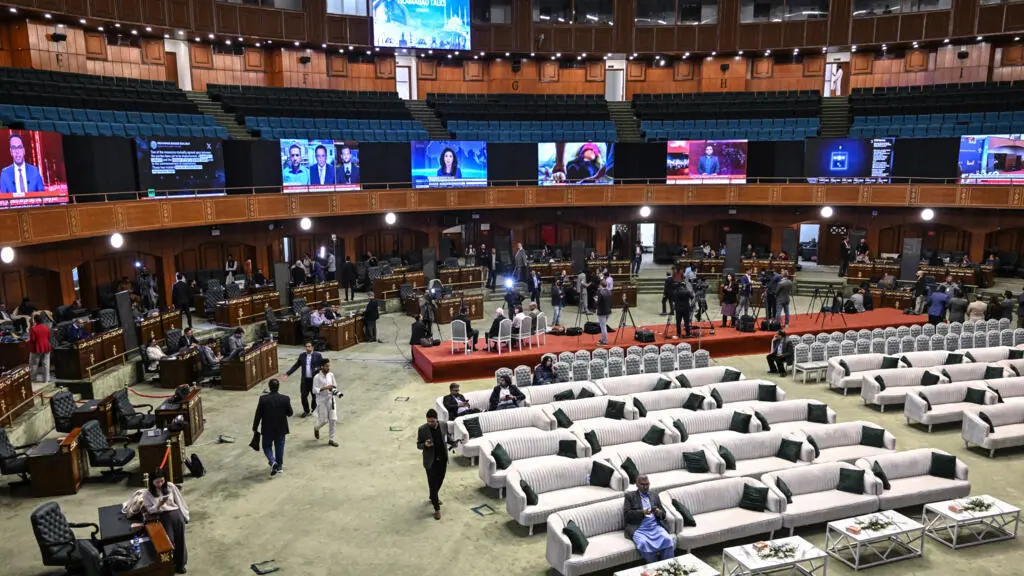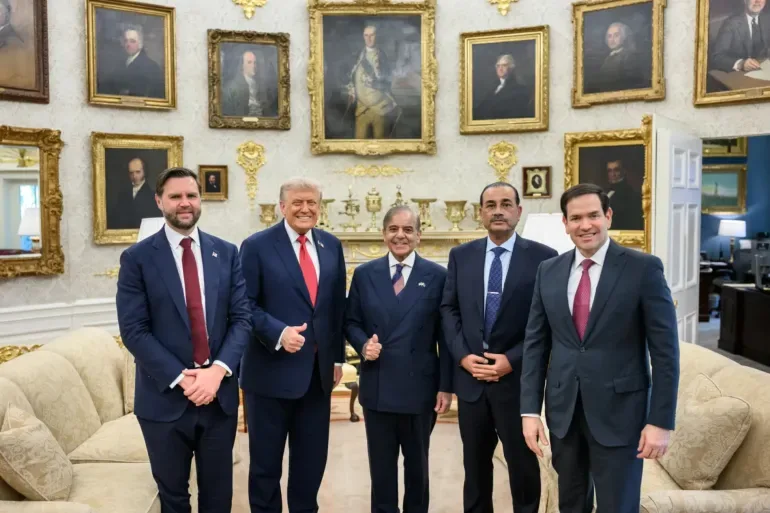
Following the Iran–U.S. talks held in Islamabad, Pakistan’s diplomatic role has gained significant attention. The discussions, aimed at reducing tensions between the two countries, have led to a continued ceasefire. At the same time, hopes for further negotiations remain positive. Diplomatic sources describe this development as an important step toward easing regional tensions.
In addition, officials and observers say diplomacy is a long process. They stress that final agreements are not usually reached in a single meeting. In many past cases, complex disputes have taken time and several rounds of talks. Similarly, this process is also expected to continue. However, a key development is that stalled communication between the two sides has now restarted.
Moreover, security and diplomatic circles highlight that the main challenge was stopping the ongoing conflict. Pakistan played an important role by helping both sides come to the negotiating table. As a result, the immediate tension was reduced. This effort has been appreciated internationally, especially as regional stability remains a key concern.
Meanwhile, U.S. Vice President J.D. Vance also acknowledged Pakistan’s role. He praised its hospitality and balanced approach during the talks. According to him, the United States has already presented its final proposal to Iran. Therefore, further progress is expected in the next stages of the process.
Furthermore, sources indicate that the ceasefire is still in place. There is also a possibility that it will continue in the coming days. Even though differences remain between the two sides, dialogue has not stopped. Experts believe this continued engagement may become the foundation for a more lasting agreement in the future.
Finally, analysts say Pakistan has once again shown that peace in the region depends on dialogue rather than force. In this context, Islamabad is emerging as an important diplomatic hub. Its role in bringing parties together is being seen as constructive and meaningful for regional peace efforts.