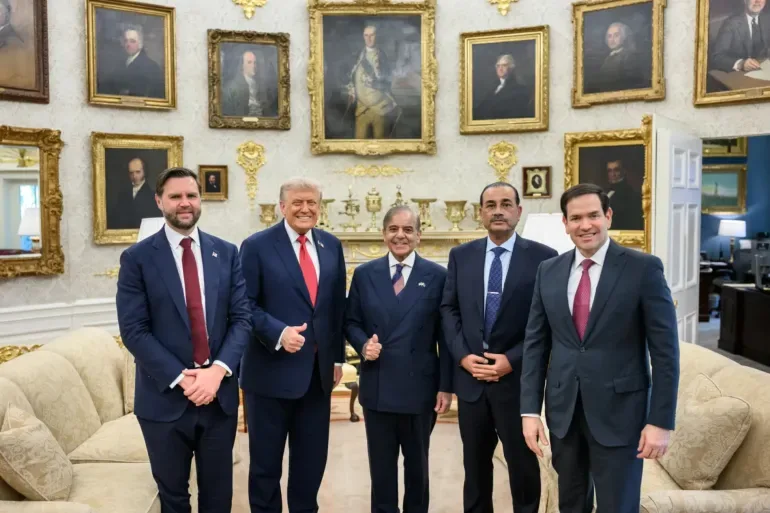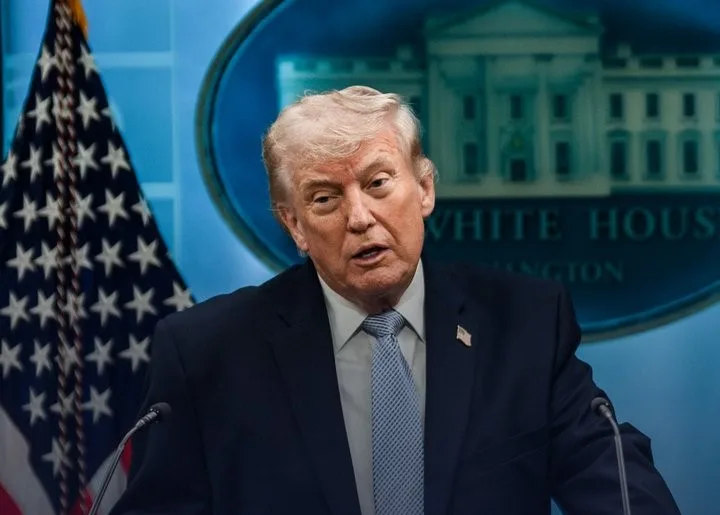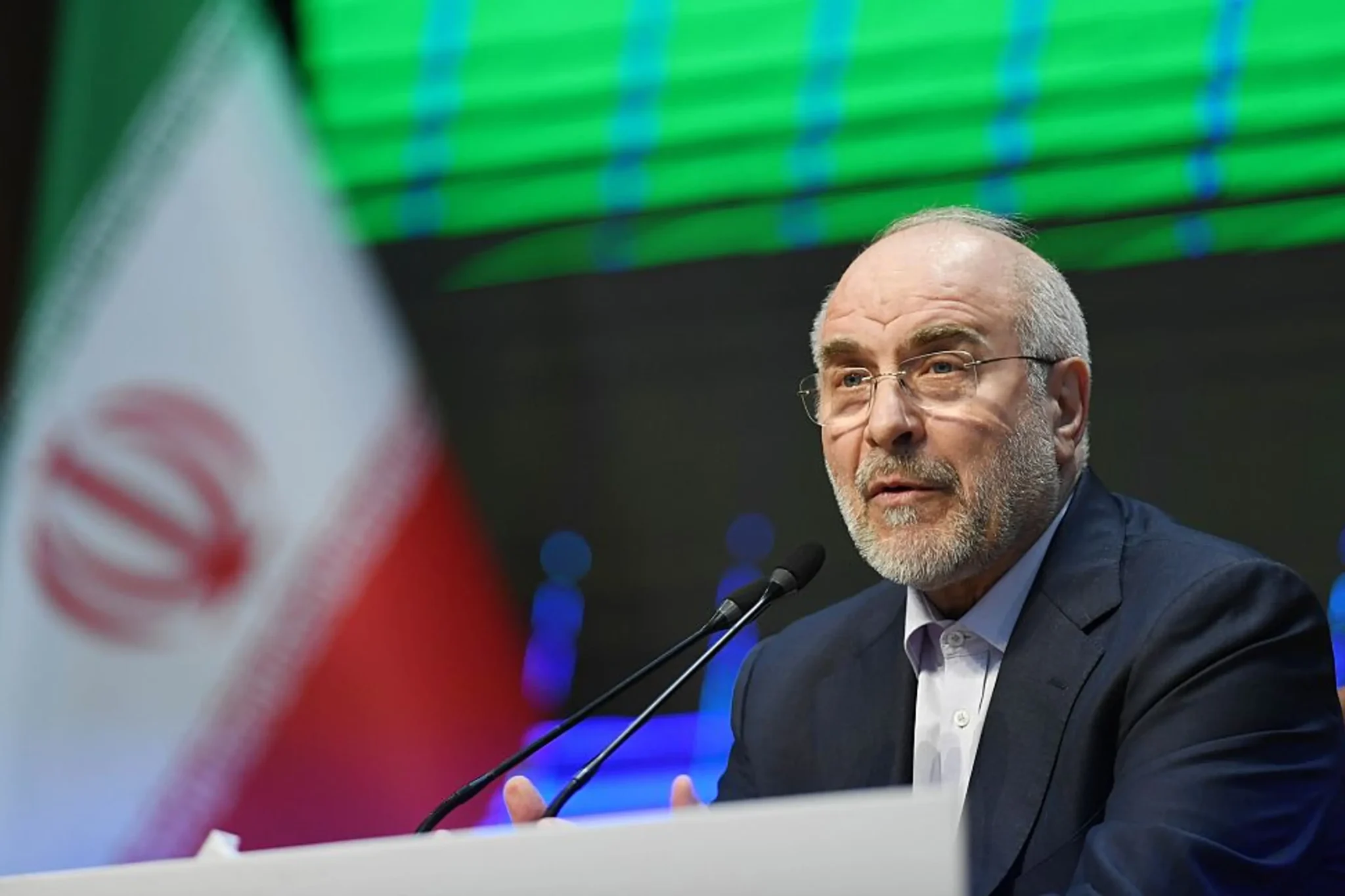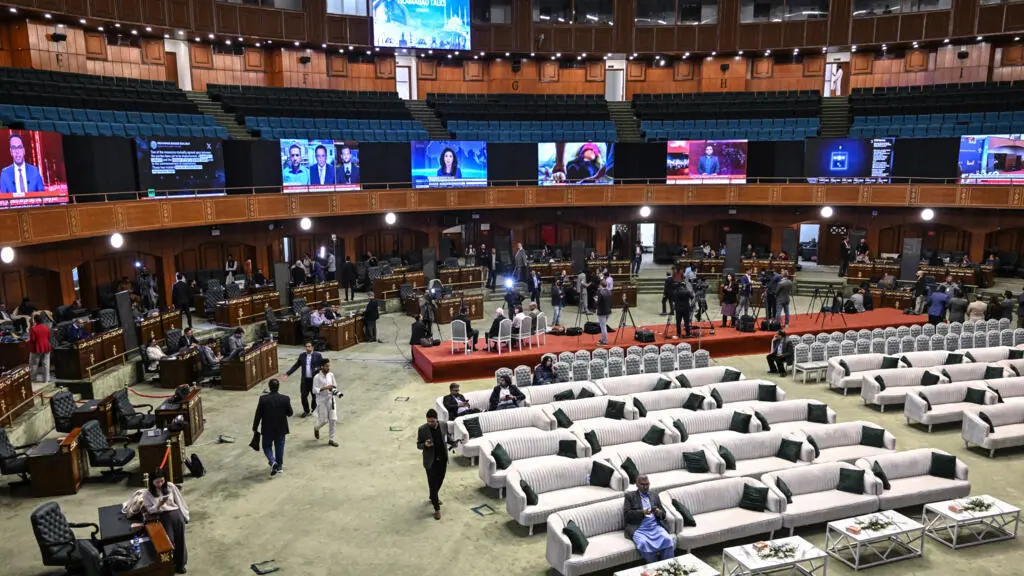
After the conclusion of Islamabad Talks between US and Iran , some journalists expressed concerns on social media, saying that the international media was brought to Islamabad and placed in a modern media center, but they were neither given briefings nor direct access to the negotiation process, which left them unclear about the situation.
The arrangement was part of Pakistan’s broader hosting strategy for the high-level Iran–U.S. talks held in Islamabad, where security and diplomatic sensitivity required strict control over information flow. Authorities aimed to balance transparency with confidentiality due to the sensitive nature of the discussions.
In contrast, American journalist Caitlin Doran Bous defended the approach and said that peace negotiations should not become a “media circus.” She added that “this process is not for media coverage but for ending war,” and Pakistan acted responsibly as the host country.
She further said that in such sensitive talks, controlling information is part of diplomatic practice to allow parties to make decisions without pressure and to avoid unverified reports and rumors.
According to diplomatic sources, Pakistan maintained strict information discipline during the talks and released updates only through official channels to ensure the process remained effective and productive.
Analysts say the debate highlights an important reality: peace negotiations must not be turned into a “media circus” but should be conducted under serious diplomatic strategy, and Pakistan followed this principle in its role as host.
Read more:Three Pakistan Coast Guards Personnel Martyred in Attack Near Jiwani, Investigation Underway