Iran—Pakistan has reiterated its security concerns at a key regional meeting in Tehran even as the Afghan Taliban declined to attend the forum, a move that has raised fresh questions about Kabul’s willingness to engage in collective dialogue on regional stability.
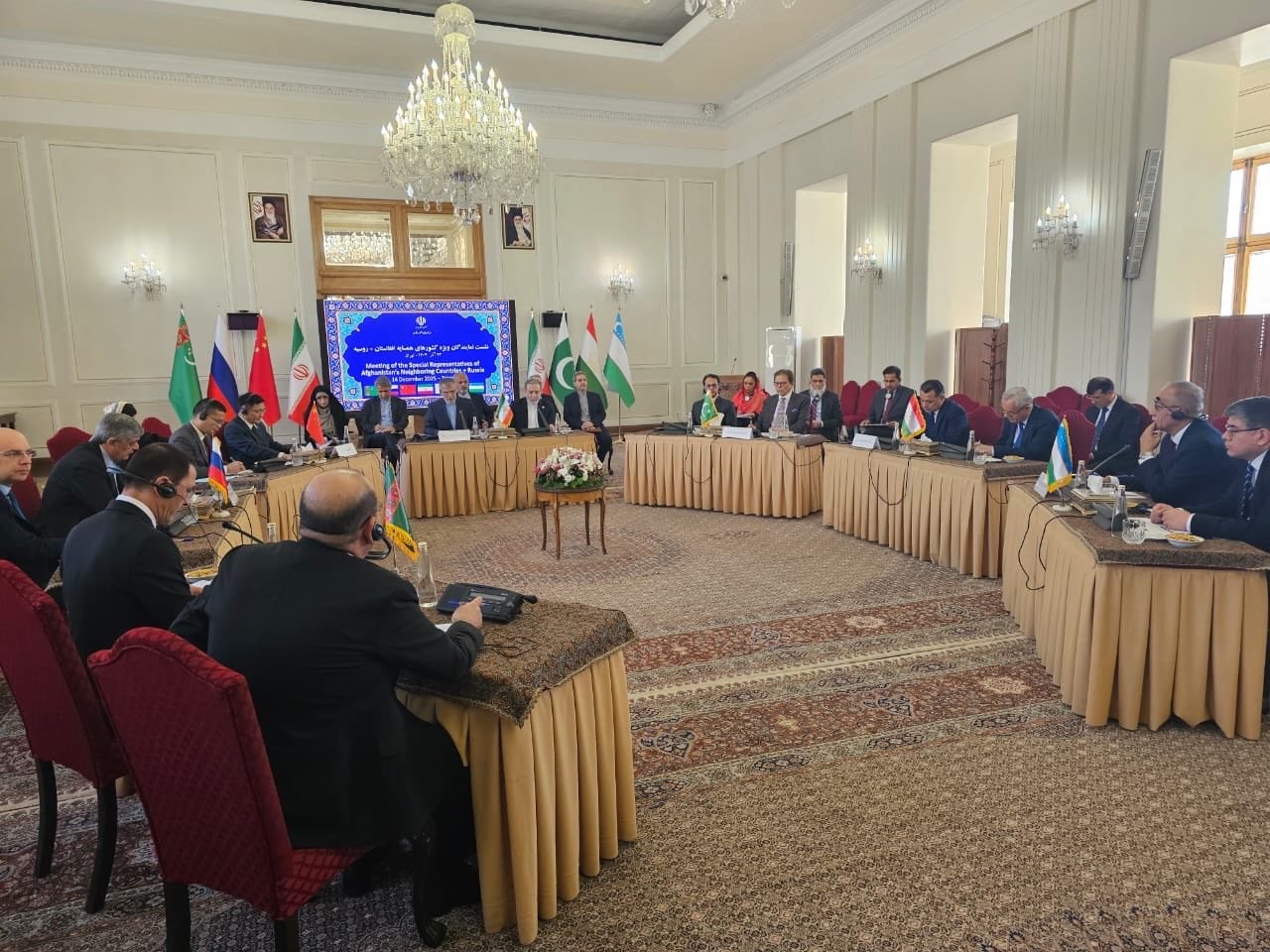
The meeting of Special Representatives of Afghanistan’s neighbors plus Russia was opened by Iran’s Foreign Minister Abbas Araghchi and attended by senior envoys from Pakistan, China, Russia and Central Asian states.
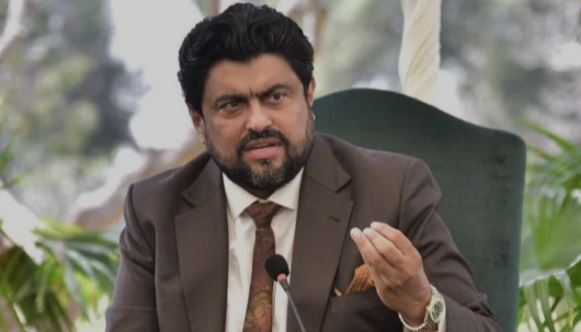
Pakistan was represented by SAPM and Special Representative for Afghanistan Mohammad Sadiq, who said Islamabad made a “strong case” that its concerns on terrorism must be resolutely addressed while stressing Pakistan’s commitment to peace, development and security across the region.
Privileged to represent Pakistan at the Meeting of Special Representatives of Afghanistan’s Neighbors + Russia- being held in Tehran today. The Foreign Minister of Iran, HE Mr. Abbas Araghchi, opened the Meeting by a keynote address. Our Ambassodrs to Tehran and Kabul and
— Mohammad Sadiq (@AmbassadorSadiq) December 14, 2025
1/2 pic.twitter.com/YX4bawYDBY
Taliban absence deepens regional mistrust
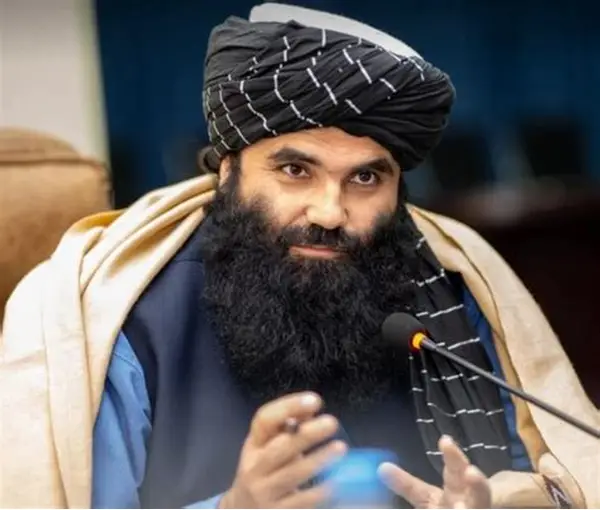
Afghan media have reported that the Taliban administration chose not to participate in the Tehran meeting, citing a preference for engagement through existing regional forums.
Regional observers however, view the decision as a deliberate snub at a time when neighboring states are seeking broader coordination on Afghanistan.
The Taliban’s refusal to attend has reinforced concerns among Pakistan, Iran, China, Russia and Central Asian countries that Kabul remains reluctant to submit to multilateral scrutiny, particularly on sensitive issues such as cross-border militancy and regional terrorism.
The forum was intended to discuss security cooperation and humanitarian challenges, offering the Taliban an opportunity to directly address regional anxieties through dialogue and transparency.
By staying away Kabul has missed a chance to reassure neighbors about its intentions and actions.
The decision also strengthens perceptions that the Taliban prefers selective engagement over inclusive regional processes, especially those that could raise uncomfortable questions about militant sanctuaries operating from Afghan soil.
Pakistan backs dialogue as regional coordination evolves
For Pakistan, the focus remains on sustained regional cooperation to counter terrorism.
Islamabad has consistently warned about the presence and operational freedom of groups such as the TTP and ISKP, arguing that instability in Afghanistan directly affects the security of neighboring states.
Analysts say the Taliban’s absence from the Tehran meeting could push regional actors to intensify coordination without Afghan participation, potentially marginalizing Kabul from emerging security mechanisms.
As Western engagement in Afghanistan continues to decline, regional countries are increasingly shaping their own diplomatic and security frameworks.
Against this backdrop, Pakistan’s active participation in the Tehran talks highlights a clear contrast.
While Islamabad continues to support dialogue-based solutions and collective regional efforts, Kabul’s reluctance to engage risks isolating the Taliban at a critical moment for Afghanistan’s future and the wider region’s stability.
Read more: AFF Claims Guerrilla Attack on Taliban Unit Near Governor’s Office in Badakhshan