
Islamabad: Pakistan has decided to expand its multilateral transit trade agreement by including Tajikistan and Uzbekistan. The move comes as part of efforts to strengthen regional connectivity and boost economic activity, while also adjusting trade routes in the region.
The plan reflects Pakistan’s growing focus on opening alternative trade pathways in Central Asia.
Regional Meeting Reviews Trade and Connectivity Plans
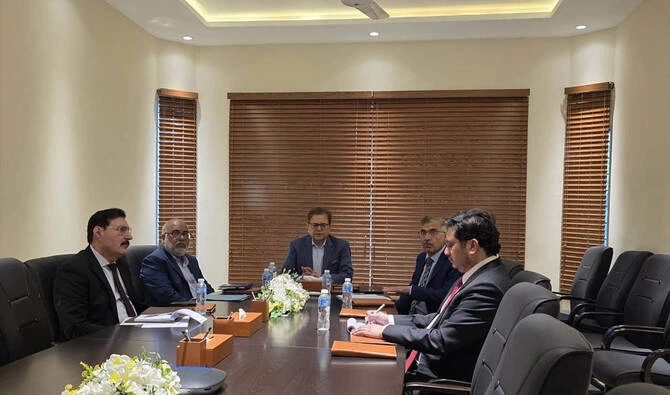
According to Afghanistan’s Special Envoy for Pakistan, Mohammad Sadiq, he chaired a meeting of the Afghanistan Central Asia Intergovernmental Coordination Cell. The meeting reviewed in detail ways to improve regional connectivity and expand trade cooperation among participating countries.
In addition, participants agreed on improving coordination mechanisms to strengthen economic links across the region. The discussions highlighted the importance of smoother communication between member states for better trade flow.
Expansion of Four Nation Transit Agreement
Through a post on social media platform X, the Special Envoy explained that the main goal is to expand the existing four nation transit trade agreement. This agreement already includes Pakistan, China, Kazakhstan, and Kyrgyzstan.
Now, the focus is on adding Tajikistan and Uzbekistan. This step is expected to increase trade activity and improve economic cooperation across the region.
Moreover, discussions also included improving air connectivity between Pakistan and Tajikistan. Officials also considered simplifying visa procedures for Tajik business communities to support easier travel and trade engagement.
Search for Alternative Routes and Growing Trade Links
Pakistan has recently been exploring alternative logistics routes due to strained relations and border closures with Afghanistan. These challenges have pushed the country to strengthen trade links with Central Asian states through its ports.
Recently, a trade shipment from Kyrgyzstan successfully reached Karachi via the Khunjerab Pass and Sost Dry Port. This marked an important step in opening a new trade corridor for the region.
In addition, Pakistan is upgrading its port facilities to handle faster and more secure movement of goods. These efforts aim to improve regional trade efficiency and strengthen economic ties with neighboring countries.











