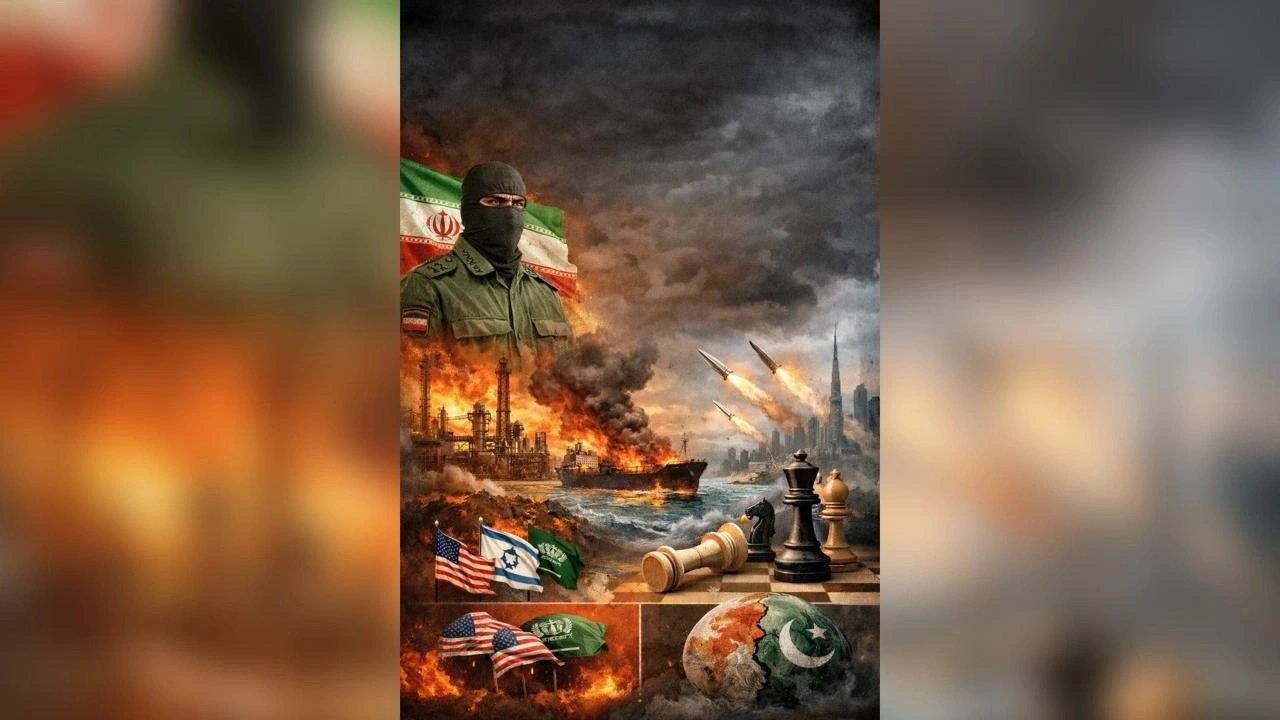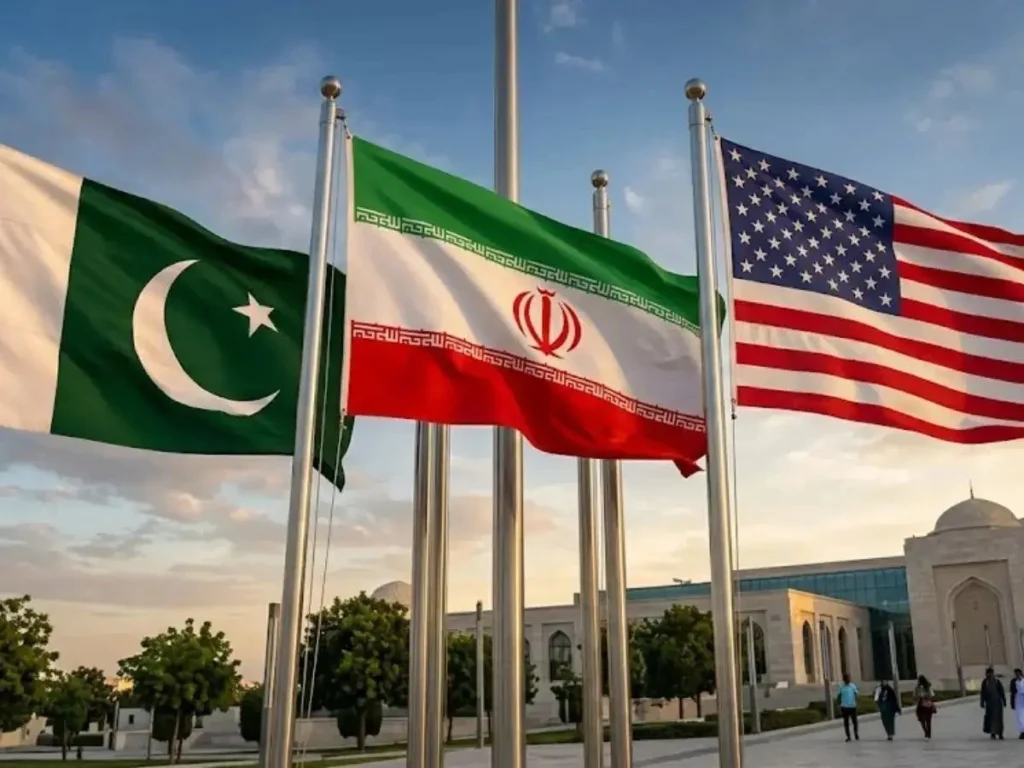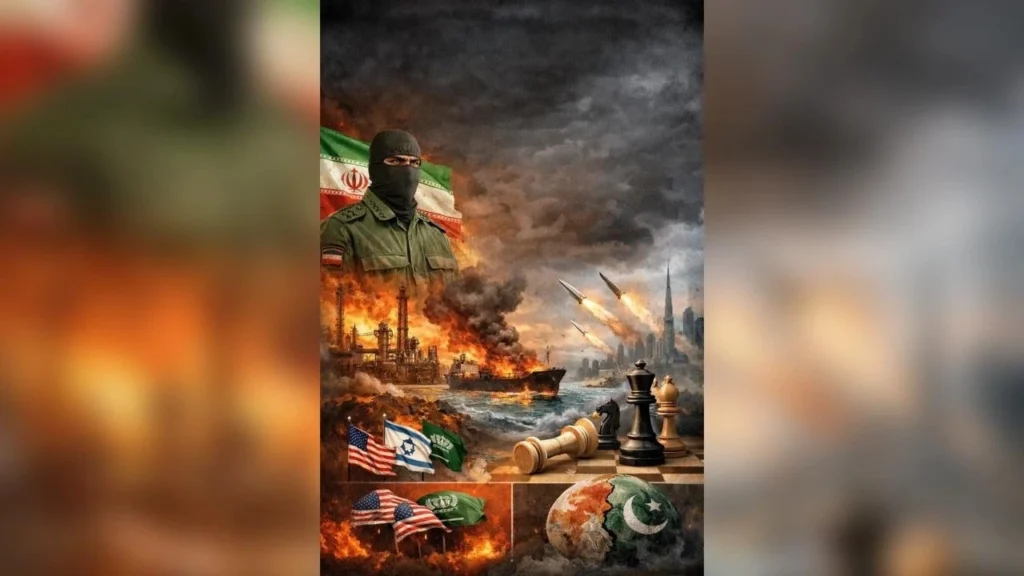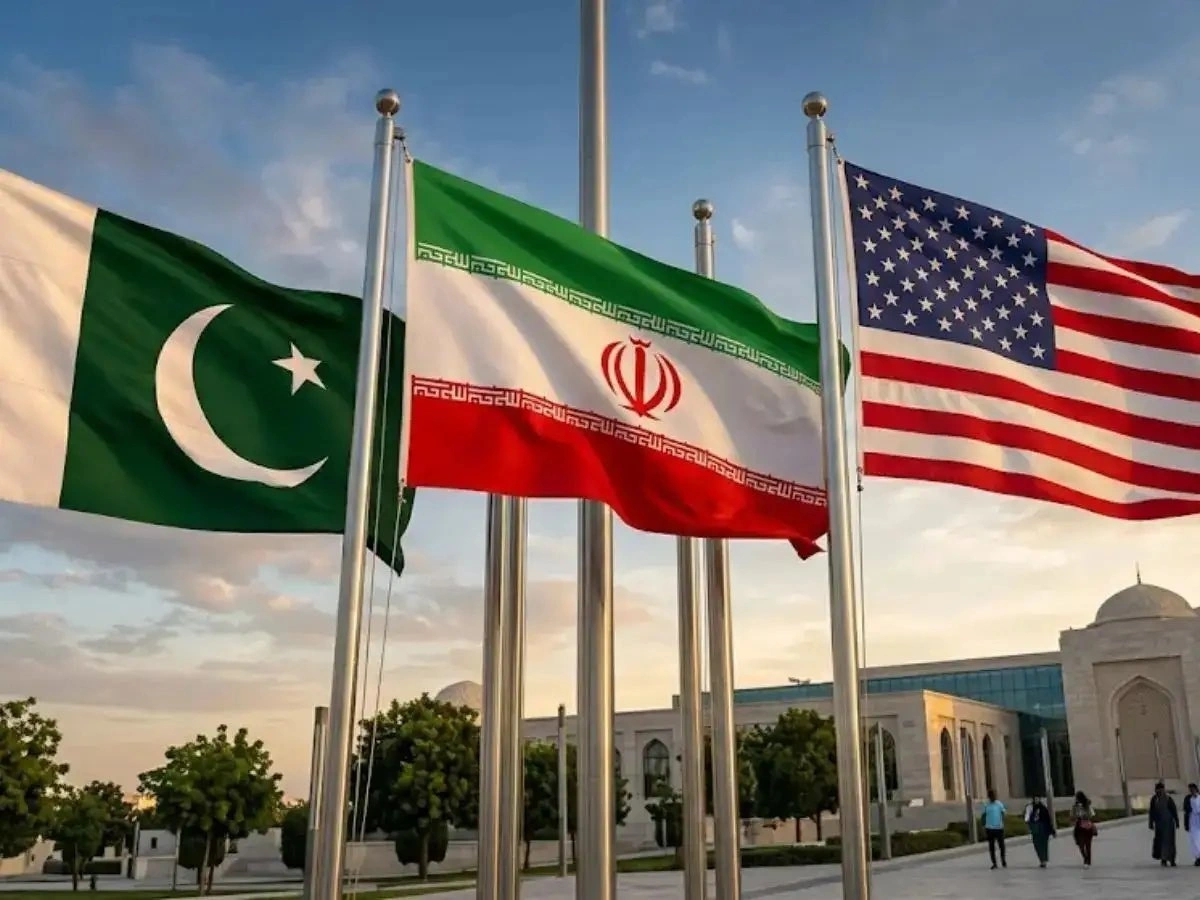
ISLAMABAD: Pakistan has emphasized the need for a long-term political solution to the ongoing US-Iran conflict, as debate continues across the region over its role in mediation efforts.
Officials and analysts in Islamabad say the focus should not be on choosing sides, but on preventing further escalation and ensuring a stable end to the conflict. They stress that modern conflicts cannot be resolved through military means alone, particularly in a region as complex as the Middle East.
The discussion comes amid growing commentary from parts of the Arab world questioning Pakistan’s neutral stance. However, experts argue that expecting countries to align strictly along alliance lines overlooks the realities of contemporary geopolitics, where dialogue and diplomacy often play a decisive role.
Security analysts warn that continued escalation risks prolonging instability, especially in a region where multiple powers remain interconnected. They note that without a clear and realistic end to the conflict, the consequences could extend far beyond the immediate battlefield.
There is also increasing concern about the long-term regional impact, as prolonged conflict could deepen divisions and create lasting uncertainty. Observers highlight that once major global powers shift attention elsewhere, regional countries will be left to manage the aftermath and its consequences.
Drawing on its own experience, Pakistan continues to advocate for a balanced approach centered on dialogue, stability, and coexistence. Officials maintain that sustainable peace requires not just ending hostilities, but also creating conditions that prevent future conflict.
As tensions persist, Pakistan’s position reflects a broader call for restraint and responsible decision-making, with an emphasis on diplomacy as the most effective path toward lasting regional stability.
Read more :Pakistan Defends Mediation Role Amid Arab Criticism Over Iran Conflict