Skip to content
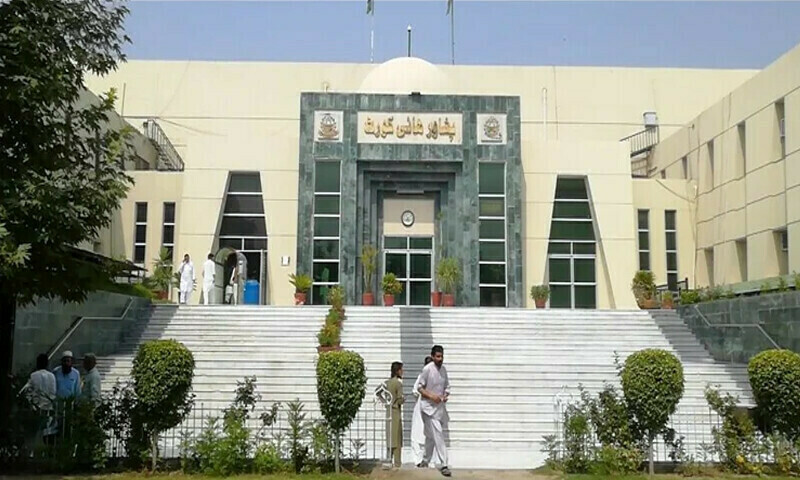
he recent decision by the Peshawar High Court to grant bail to Imtiaz, aka Tora Shpah, a suspect in the deadly 2023 Police Lines suicide bombing case, raises serious concerns about Pakistan’s resolve in the fight against terrorism. This horrific attack on January 30, 2023, claimed the lives of over 90 police officers and left nearly 245 injured — a tragedy that shook the nation.
Despite the gravity of the case, the accused has been granted bail after three years of a trial that is still ongoing. The prosecution itself admits that out of 40 witnesses, statements of only nine have been recorded. Moreover, the trial, which involves a juvenile accused, remains incomplete even after the legal limit of six months, highlighting significant delays in the judicial process.
This situation prompts a critical question: If the judiciary, a pillar of the state, cannot ensure timely and effective justice against terrorists and their facilitators, what hope does the country have in ending this menace? Are we inadvertently showing fear by allowing such delays and leniency in terrorism cases?
Pakistan’s struggle against terrorism demands a robust and swift judicial response. Every delay and perceived leniency emboldens extremists, undermines law enforcement morale, and shakes public confidence. If the courts do not stand firm and act decisively, terrorism will continue to thrive, inflicting harm on innocent lives and national security.
Read more: Putin Reaffirms Russia–Pakistan Counterterror Cooperation After Islamabad Mosque Attack