Skip to content
Kabul-The Taliban administration’s recent decision to approve long-term residency permits ranging from one to ten years for foreign investors has drawn cautious attention, but analysts warn that policy incentives alone are unlikely to overcome Afghanistan’s deep-rooted security, governance, and diplomatic challenges.
Residency Initiative and Economic Intent
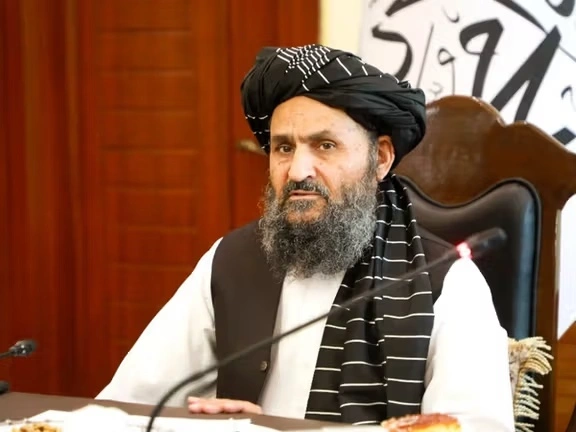
The residency initiative was endorsed by the Taliban’s Economic Commission chaired by Mullah Abdul Ghani Baradar and presented as an effort to attract foreign capital and stimulate economic activity in an increasingly isolated country. However, observers note that the move comes at a time when Afghanistan continues to face severe international sanctions, limited diplomatic recognition, and persistent security threats.
Terrorism Concerns and UN Monitoring Reports
According to multiple United Nations monitoring reports, Afghanistan remains a permissive operating environment for more than 20 international terrorist organizations. These reports highlight the continued presence and activity of groups such as Tehrik-e-Taliban Pakistan (TTP), ISIL-K, and Al-Qaeda affiliates, raising serious concerns about the country’s stability and predictability as an investment destination.
Cross-Border Instability and Regional Impact
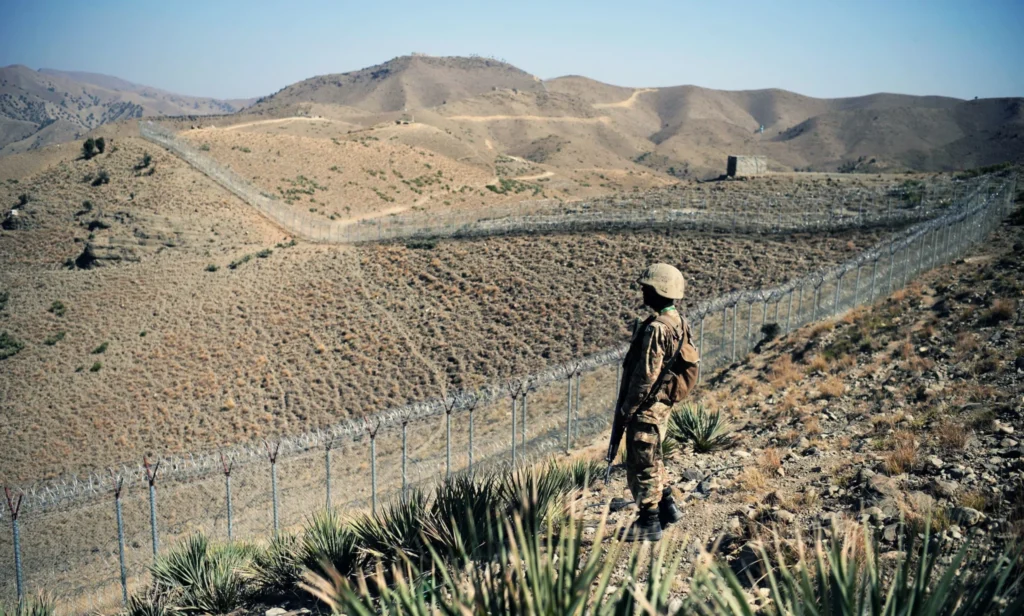
Security analysts point out that cross-border attacks against Pakistan, traced to TTP elements operating from Afghan territory, continue to fuel regional instability. These incidents have not only strained relations with neighboring states but have also undermined investor confidence by reinforcing perceptions of Afghanistan as a high-risk environment.
Regional Security Responses
Regional responses further reflect these concerns. Central Asian countries, along with the Collective Security Treaty Organization (CSTO), have strengthened border deployments in reaction to infiltration attempts and security threats emanating from Afghanistan. Such measures signal persistent regional alarm and highlight the broader implications of Afghanistan’s internal security challenges.
Risks to Foreign Nationals and Infrastructure Projects
Concerns have also intensified following documented attacks targeting Chinese nationals and projects linked to regional connectivity initiatives. These incidents underscore the risks faced by foreign personnel and investments, particularly in sectors tied to infrastructure and long-term development.
Governance Challenges and Investment Climate
Beyond security, structural governance issues continue to weigh heavily on Afghanistan’s economic prospects. Analysts emphasize that the lack of political inclusivity, restrictions on human rights, and absence of transparent institutional frameworks further discourage institutional and long-term capital flows. International sanctions and ongoing monitoring mechanisms reinforce Afghanistan’s diplomatic isolation and compliance deficits, limiting access to global financial systems.
Outlook for Sustainable Investment
Experts argue that without verifiable action to dismantle terrorist infrastructure, ensure credible security guarantees, and address governance shortcomings, measures such as residency permits are unlikely to translate into sustained foreign investment. While the policy may signal intent, meaningful economic recovery, they stress, will depend on concrete improvements in security, accountability, and international engagement.
Policy Announcements vs Ground Realities
As Afghanistan seeks pathways out of isolation, the contrast between policy announcements and on-ground realities remains stark. For investors, stability, predictability, and trust continue to outweigh incentives on paper.
Read more :UN resolution declares Taliban controlled Afghanistan as hub of terrorism