KABUL – APRIL,4 – A recent report by the Sri Lanka Guardian has raised serious concerns about governance, human rights, and institutional decline in Afghanistan under Taliban rule.
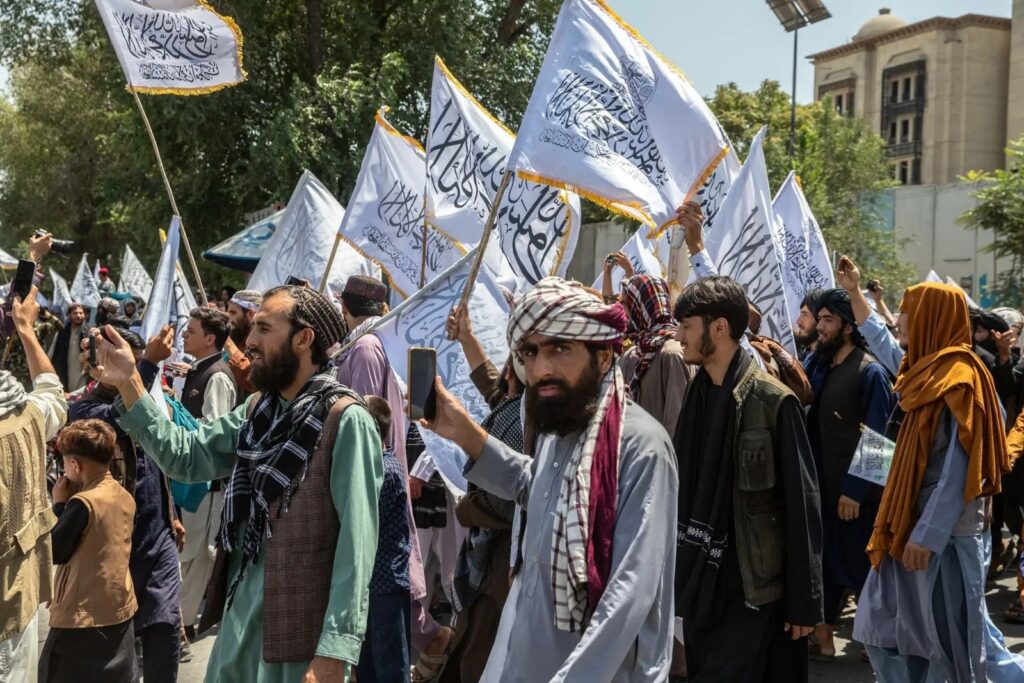
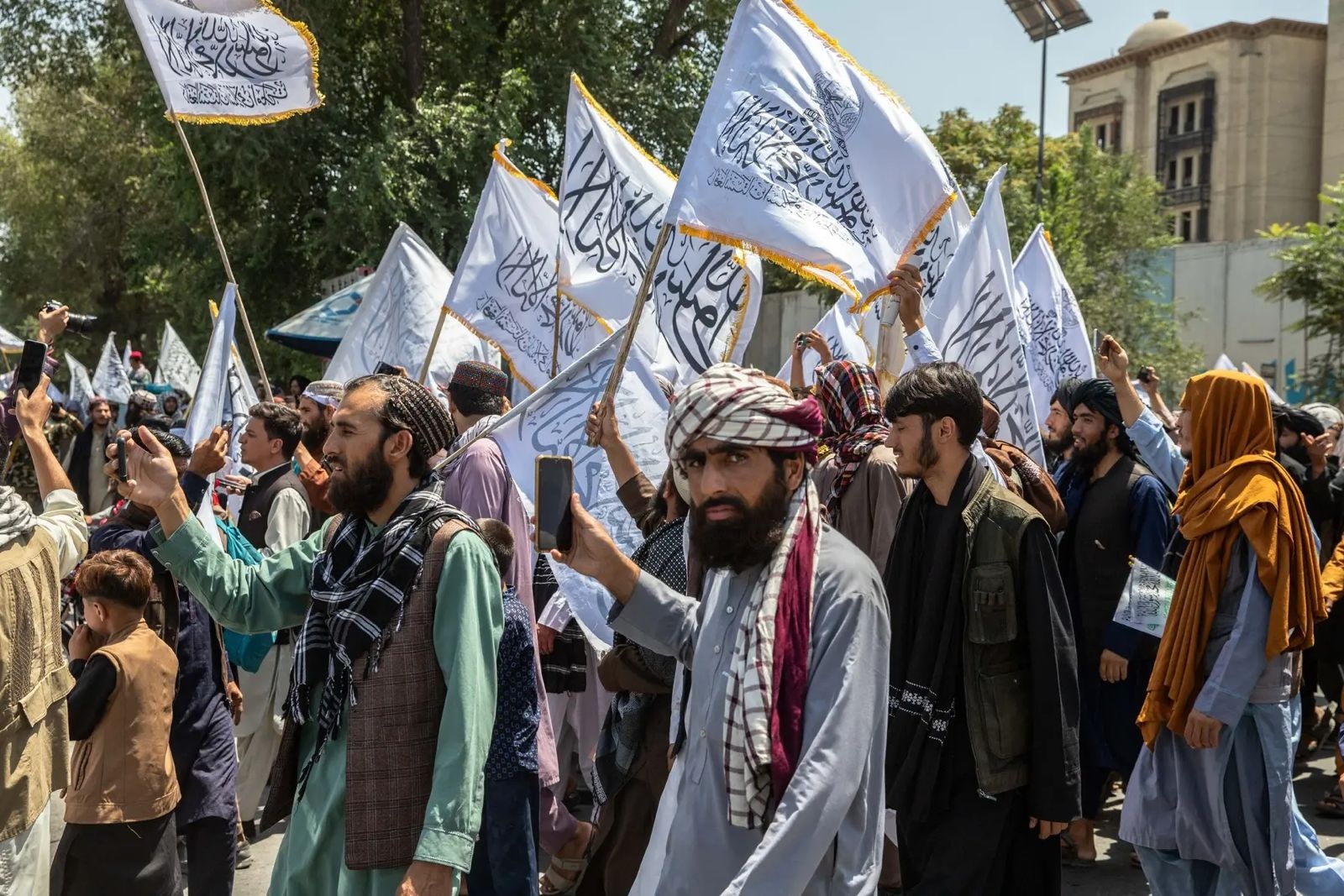
According to the report, power in Afghanistan remains highly centralized in the hands of Hibatullah Akhundzada and a small inner circle, with formal state institutions largely sidelined. The absence of elections and public representation has resulted in what the publication describes as a strictly authoritarian system.
Decision-making, the report notes, is concentrated within a limited leadership group based in Kandahar, with little transparency or accountability. Government ministries and officials reportedly have minimal authority, as governance is driven primarily through decrees and directives issued by the top leadership.
The report also highlights restrictions on dissent, stating that opposing views are suppressed and public silence is often portrayed as consent. Analysts cited in the report argue that such a system undermines both governance and long-term stability.
Concerns have also been raised over social and economic policies. Women have been largely excluded from education, employment, and public life, effectively sidelining half of the population. Meanwhile, changes in the education system—particularly the removal of modern and scientific subjects—are seen as weakening the country’s future workforce.
The judicial system has been described as unequal, with ordinary citizens facing strict punishments while influential figures remain protected. In addition, restrictions on media, academic institutions, and civil society have significantly reduced avenues for accountability.
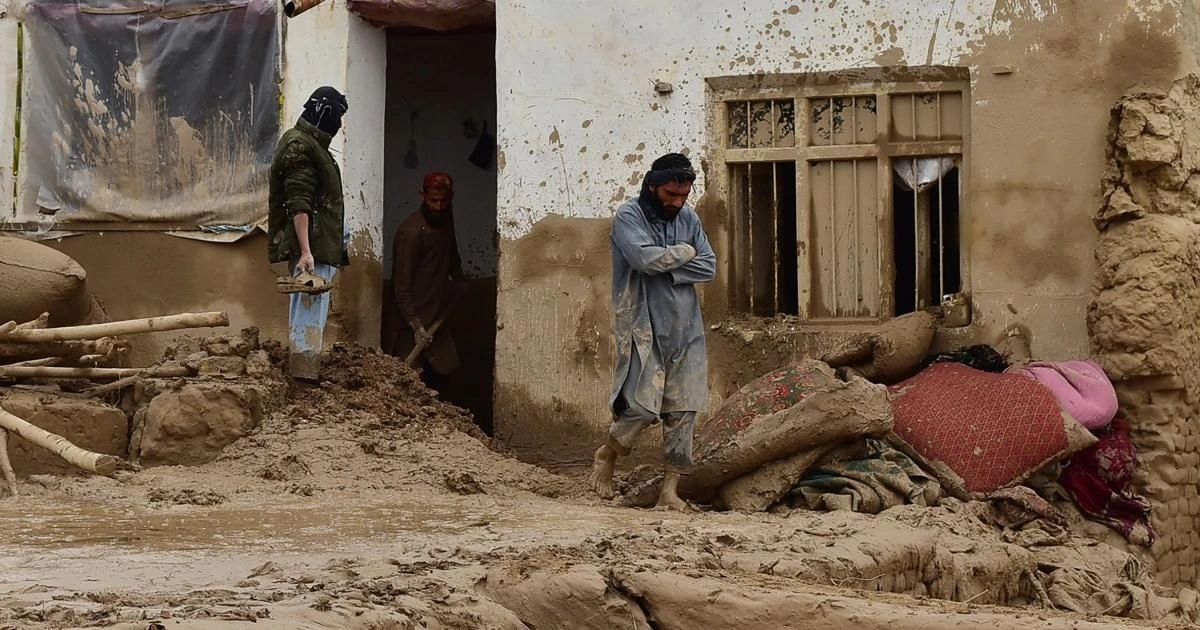
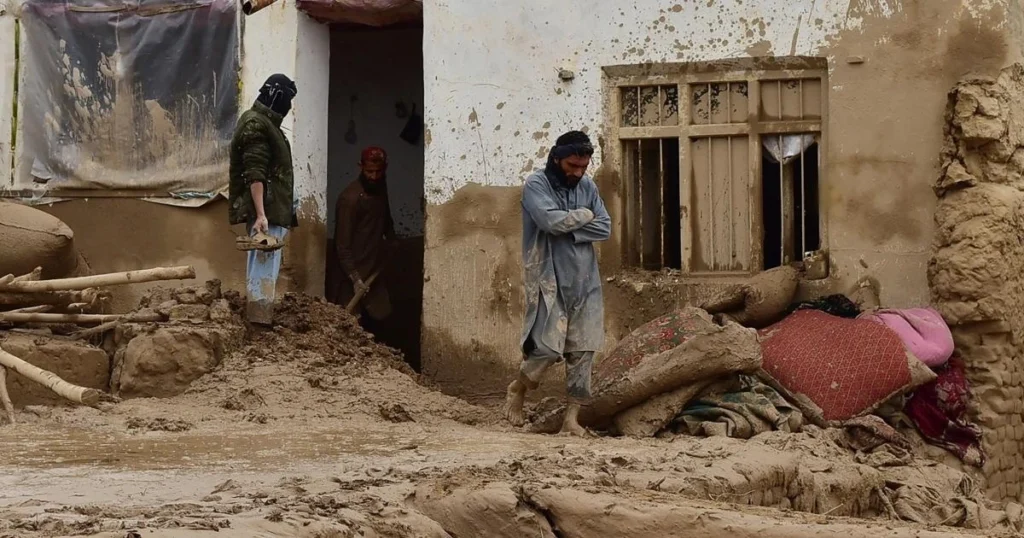
The report further notes that interference in aid distribution and alleged mismanagement of resources have contributed to worsening economic conditions. More than half of Afghanistan’s population is now dependent on humanitarian assistance.
Experts warn that the current governance model could increase security risks not only within Afghanistan but also for neighboring countries. Limited political inclusion and lack of representation, the report concludes, may lead to deeper instability and potential crises in the future.
Read more :Afghanistan: Rise in Public Punishments Under Taliban Regime Raises Human Rights Concerns