
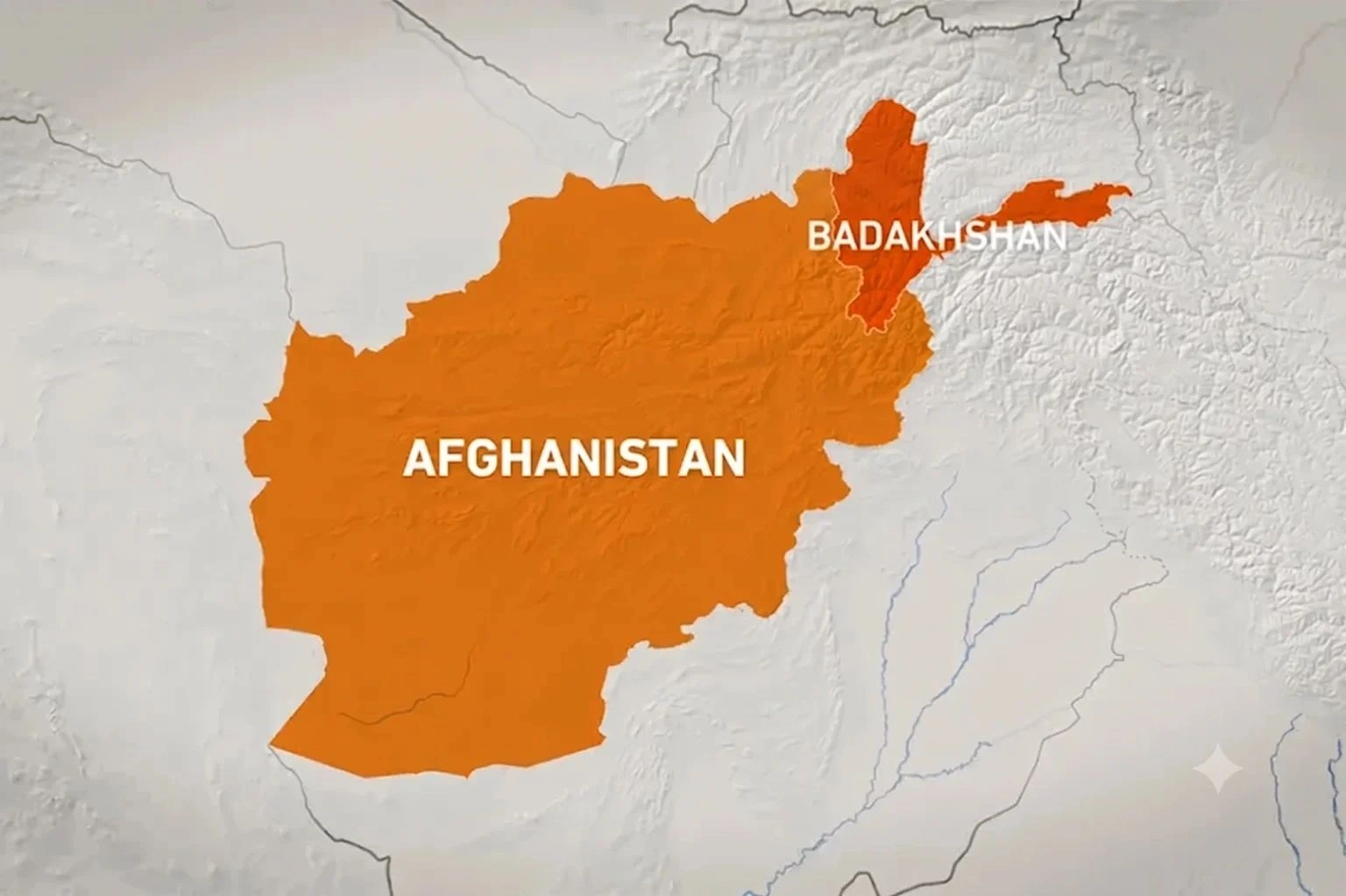
The narrative of a united Afghan national identity is rapidly collapsing under the Taliban’s hardline and Kandahar-centered system of governance, while Afghanistan is increasingly moving toward deep ethnic polarization and geographical fragmentation. In recent days, prominent non-Pashtun political figures, including Bashir Ahmad Tahyanj, have openly advocated for South Turkistan and greater autonomy, reflecting growing alienation and anger among Tajik, Uzbek, and Hazara communities against what they describe as a centralized Pashtun-dominated Taliban administration.
Demands and Ethnic Narratives
Political circles are increasingly promoting the argument that if Pashtuns have the right to determine the future of their own lands, then Turkistan belongs to the Turks and Hazaristan belongs to the Hazara community. According to analysts, such rhetoric demonstrates that the idea of equal citizenship and an inclusive political system has effectively disappeared under Taliban rule.
Bashir Ahmad Tahyanj’s declaration that “the dream of South Turkistan will undoubtedly become reality” indicates that these ethnic autonomy demands are no longer limited to political slogans but are evolving into organized identity-based movements.
Similarly, references by leaders such as Naqibullah Faiq and Mohammad Mohaqiq to separate ethnic and national identities reveal deep distrust toward the Taliban-controlled state structure. Analysts say this shows that narratives surrounding Hazaristan and Khorasan are no longer isolated discussions but are simultaneously spreading among multiple ethnic communities.
Marginalization of Non-Pashtun Communities
Statistics indicate that more than 55 to 58 percent of Afghanistan’s population belongs to non-Pashtun ethnic groups, yet they remain almost entirely absent from the country’s political and security structure. Under Taliban rule, more than 85 percent of key ministries, governor offices, and senior security positions are reportedly controlled by specific Pashtun factions.
One of the clearest examples of this imbalance is the Taliban’s 49-member cabinet, in which there is no representation for the Hazara community or women. The concentration of political, military, and religious authority within Kandahar’s particular religious network has reinforced perceptions in northern Afghanistan that the country is being ruled through force rather than representation.
Future Outlook
The Taliban government’s suppression of dissent, arbitrary arrests, and coercive policies have severely damaged trust between the central authority and various ethnic communities. This frustration is no longer limited to non-Pashtun groups; a significant number of Pashtun intellectuals and political figures are also rejecting attempts to equate Pashtun identity with Taliban ideological and political dominance.
According to observers, the absence of an inclusive national governance model has increased the popularity of narratives centered on ancestral lands and the right to self-determination. In Tajik, Uzbek, and Hazara-majority regions, Taliban rule is increasingly being portrayed as an “occupation-style mafia governance system.”
Analysts warn that this monopoly over power is steadily eroding the legitimacy of the Taliban government and pushing Afghanistan toward long-term instability, persistent fragmentation, and deeper ethnic division rather than sustainable peace and national cohesion.











