Peshawar – The year 2025 has been marked by a devastating surge in terrorism across Khyber Pakhtunkhwa (KP), with the province recording an alarming total of 1,588 major incidents.
Such a large number of attacks have caused massive loss of life among civilians and security personnel, highlighting a drastic increase in militancy in the area.
The continuous assaults in 2025 resulted in significant casualties. More than 223 civilians were killed, and 570 more were wounded. Security personnel suffered the worst of the violence; 137 of the police were martyred, and 236 were injured. The Federal Constabulary (FC) suffered greatly; 124 of the police were killed, and 244 were injured. Also, 18 other law enforcement personnel were killed.
To counter this widespread violence, the security forces engaged in massive operations all year round and succeeded in killing 348 terrorists in the province.
Crisis Amidst Regional Tensions
The increasing number of attacks has worsened the security crisis between Pakistan and the current leadership in Afghanistan.
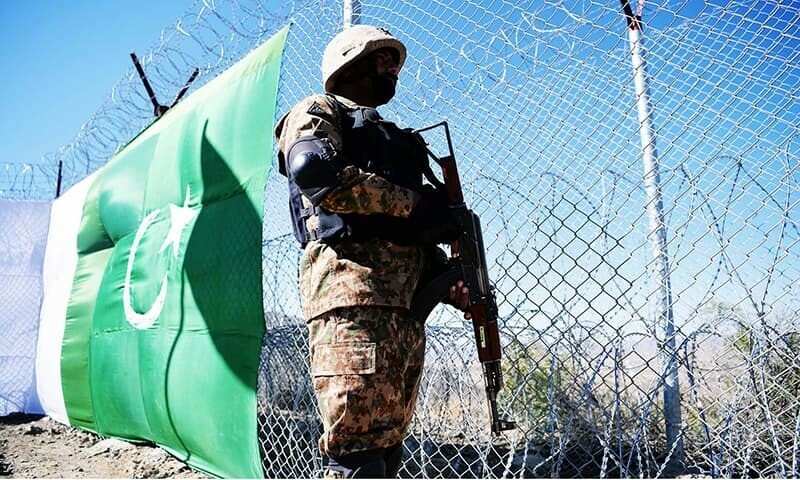
The Pakistani government has continuously invoked intelligence that some of the largest militant groups, especially the Tehrik-i-Taliban Pakistan (TTP) and Baluchistan Liberation Army (BLA), have bases in the neighboring country.
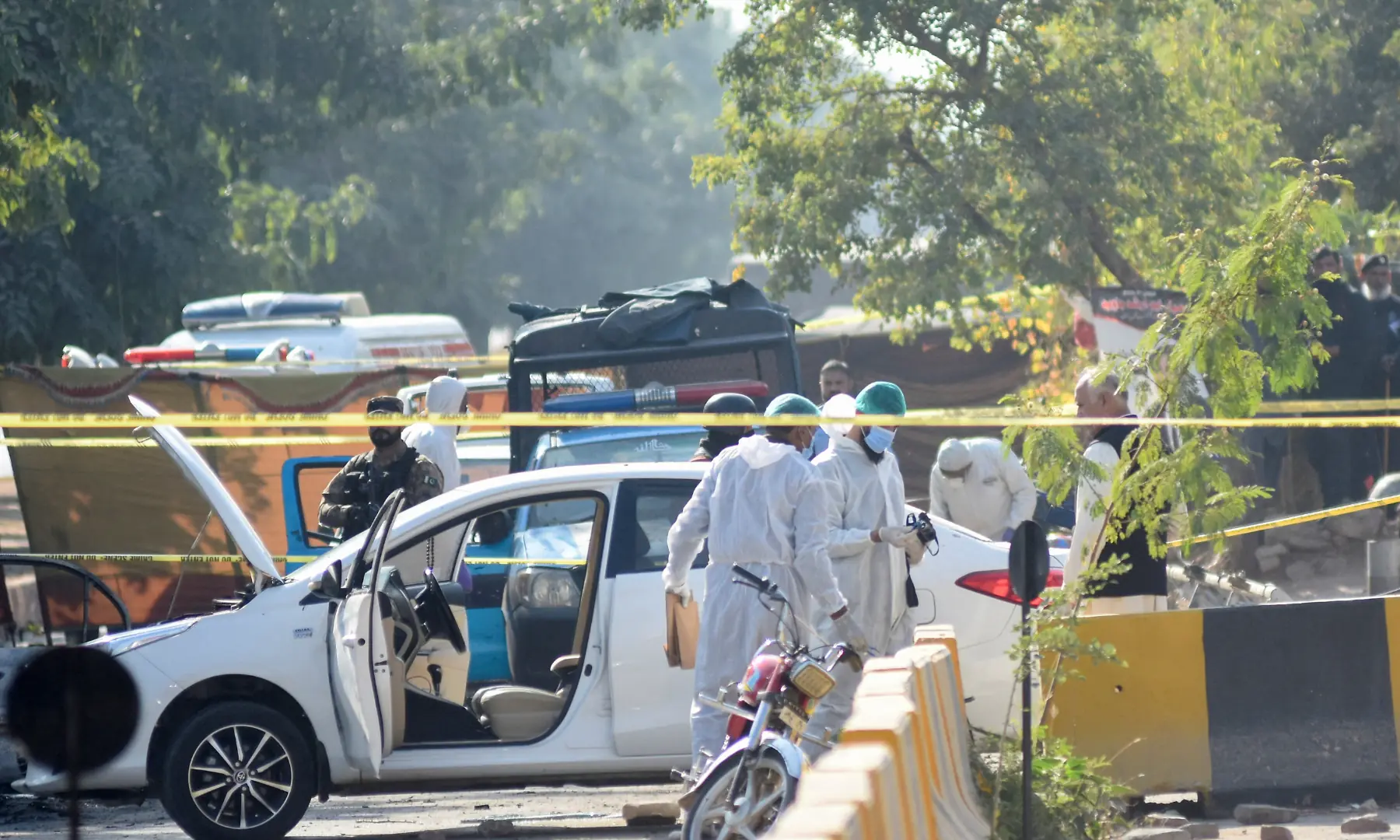
To make matters worse, when examining several high-profile attacks throughout the year, such as the fatal attack on the FC Headquarters in Peshawar, the attackers were confirmed as Afghan nationals.
This discovery confirms the stance of Pakistan that the threat is not solely internal but rather stems from cross-border assistance and safe havens of militant groups.