With the start of 2026, the United States announced the capture of Venezuelan President Nicolás Maduro. Shockingly, Israeli opposition leader Yair Lapid issued a stark warning to Tehran, saying Iran’s leadership should “pay close attention to what is happening in Venezuela.”
His remarks came amid growing concern that Washington’s action against Caracas could signal a broader shift toward coercive regime-change tactics.
The operation followed a recent meeting between US President Donald Trump and Israeli Prime Minister Benjamin Netanyahu, during which Trump again threatened new strikes against Iran.
While US disputes with Venezuela and Iran stem from different causes, analysts say the manner of Maduro’s removal has intensified fears of a widening conflict.
Analysts warn of rising risk of war with Iran
Policy analysts argue that the US move against Venezuela has lowered the threshold for military action elsewhere.
Jamal Abdi, head of the National Iranian American Council, said the operation has increased instability and strengthened voices advocating confrontation with Iran, quoted by Al Jazeera.
He warned that such actions could push Tehran toward steps that trigger direct military conflict, including accelerating deterrence measures.
Negar Mortazavi of the Center for International Policy said Washington’s actions demonstrate a maximalist approach that leaves little space for diplomacy, cited by international media outlets.
She noted that Iranian officials see current US demands as calls for total surrender, making negotiations unlikely and conflict more probable. According to Mortazavi, Israel, Iran, and the US now appear locked on a collision course.
The Iran-Venezuela alliance and regional fallout
Maduro was a close ally of Iran, and both sanctioned states had expanded trade and political cooperation in recent years.
With Maduro removed and other allies weakened in Syria and Lebanon, Iran’s regional network faces new strain.
Tehran quickly condemned the US action, calling it a violation of international law and urging the United Nations to intervene.
US Secretary of State Marco Rubio said the operation sent a message to Washington’s rivals, insisting that Trump follows through on his threats.
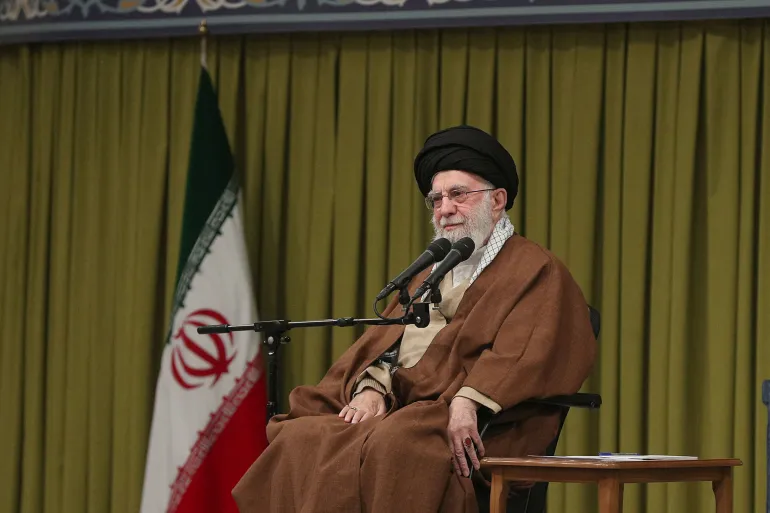
Iran’s Supreme Leader Ali Khamenei, however, responded defiantly vowing resistance to US hegemonic intentions.
Trump has repeatedly warned Iran of further attacks, including threats tied to protests inside the country.
Critics say these statements echo long-standing Israeli objectives of regime change in Tehran. Analysts caution that a Venezuela-style operation in Iran would be far more complex, given Iran’s ability to retaliate across the region.
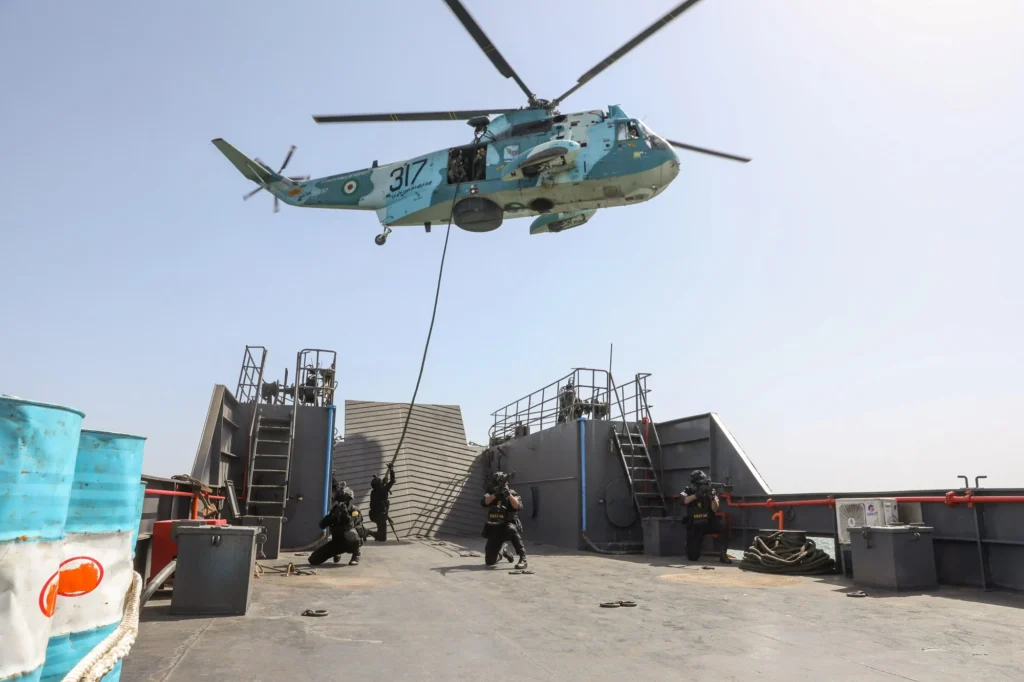
Iran has demonstrated its ability to defend its vital strategic areas in the recent Iran-Israel escalation.
Although intervening in Iran will produce negative impacts for US foreign policy, as the Iranian government has historically portrayed US intervention as a unifying factor for Iranian society.
Oil calculations and unfinished Venezuela crisis
Even in Venezuela, Maduro’s removal has not produced stability.
Acting President Delcy Rodríguez rejected US claims and warned against foreign domination. Trump has threatened further action if Caracas resists US demands.
Some US critics argue that control over Venezuelan oil could cushion global markets if war erupts with Iran.
Analysts, however, say it is too early to judge.
For now, the Venezuela operation has sent shockwaves far beyond Latin America, reopening fears of a new and dangerous phase of confrontation in the Middle East.
Read more: Trump Blames Hasty Afghanistan Withdrawal for Weakening America’s Global Standing