Islamabad – In the ongoing struggle for regional stability, the narrative surrounding militant groups often clashes with the hard facts on the ground.
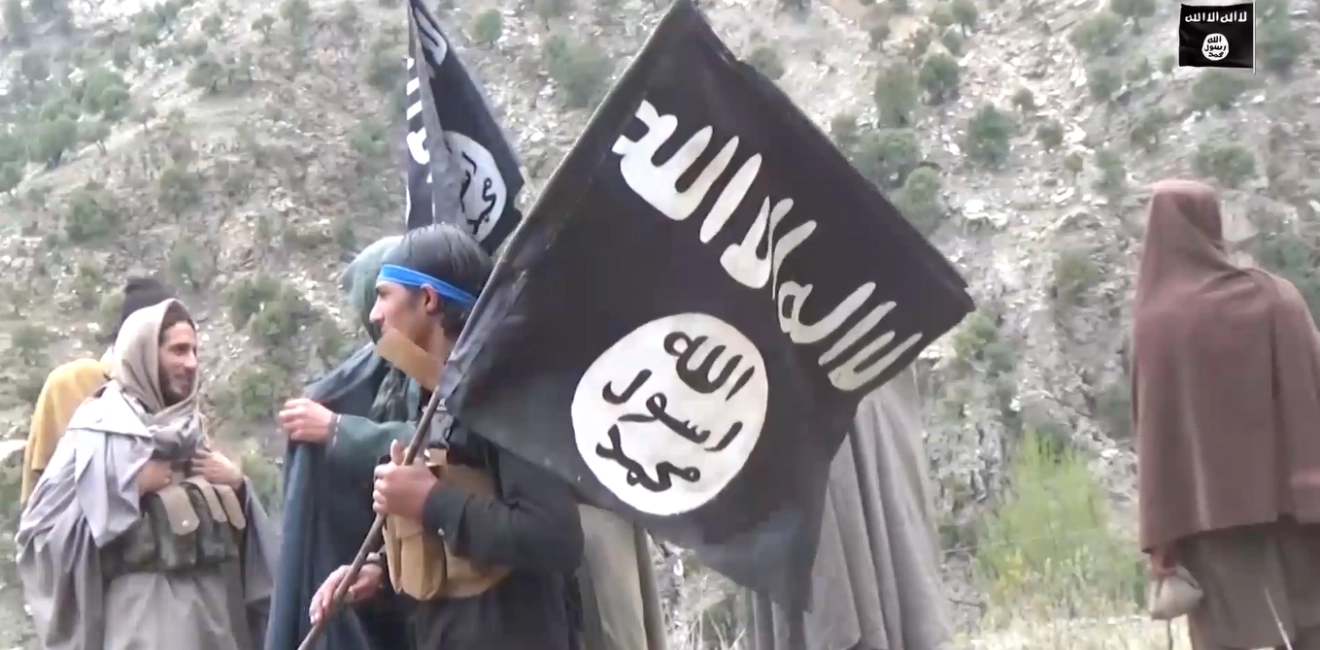
While officials in Kabul frequently point fingers across the border, a closer look at recent operations suggests a different story regarding ISIS-K counter-Terrorism actions.
Authenticated arrests and intelligence-driven operations demonstrate that Pakistan has been at the center of undermining the infrastructure of this group.
If the group truly operated with impunity in certain areas, the top media chiefs and external planners were not arrested by Pakistani security forces, nor would the group’s propaganda network be in such a state of collapse.
The arrest of Sultan Aziz Azzam, the leader of the Al-Azaim Foundation and the main propagandist of ISIS-K, was one of the greatest successes in the field of counterterrorism.
This arrest, as well as the neutralization of additional leadership figures in 2024-25, directly opposes claims of sanctuary.
This perception is backed by United Nations monitoring reports, which indicate that coordinated operations have weakened the command chain and recruitment pipelines of the group.
Addressing the Root of the Threat
Humanity bears the price of these security lapses through families across the border who seek a violence-free life. Experts have indicated that counterterrorism is impeded when blame is transferred instead of being shared.
The group, which primarily grew in eastern Afghan provinces, expanded significantly after the collapse of the former security structures in 2021.
This is a geographic reality that demands local responsibility. Security agencies are demonstrating that collaboration is more productive than political evasiveness by distributing practical intelligence that has resulted in the arrest of actual individuals such as Mohammad Sharifullah, who organized the Kabul airport bombing.