
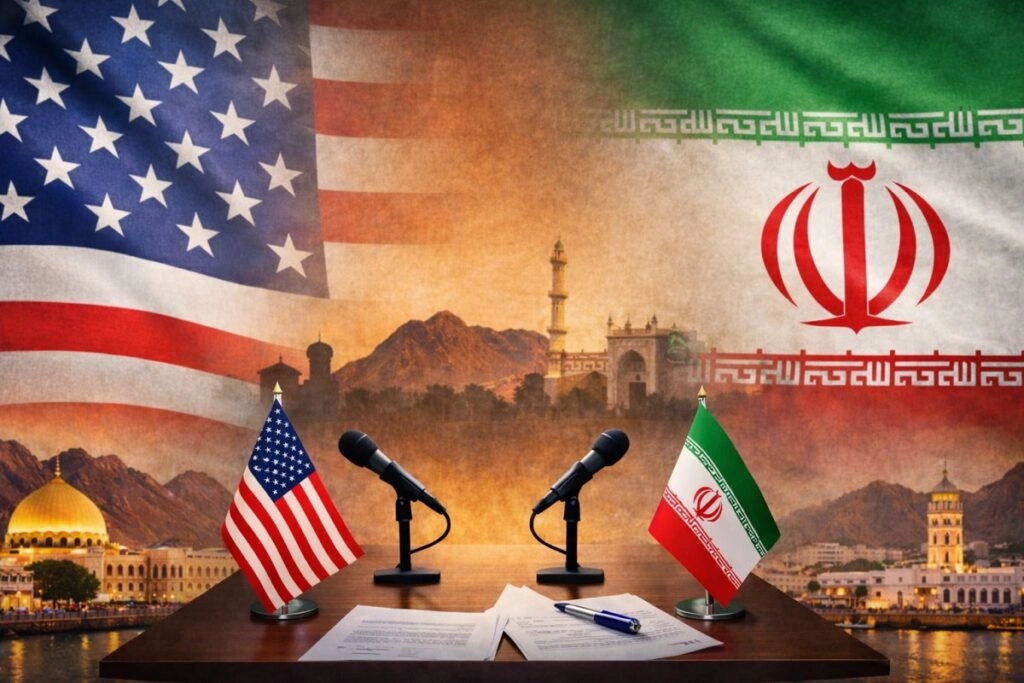
Recent developments between the United States and Iran have created a noticeable shift in global politics. What once looked like a deep and long standing deadlock is now showing signs of easing. At the center of this change is growing diplomatic engagement and renewed efforts to reduce tensions in the region.
To begin with, Pakistan’s diplomatic activity has been highlighted as an important factor. Visits by Pakistan’s leadership to countries like Saudi Arabia, Qatar, and Turkey, along with high level engagement with Iran, helped open channels of communication. These efforts focused on rebuilding trust at a time when direct talks had slowed down after earlier discussions in Islamabad faced difficulties.
In addition, these diplomatic contacts helped keep dialogue alive when tensions were rising. As a result, both sides gradually moved back toward negotiation instead of confrontation. This created space for further progress on key issues.
Key Issues: Hormuz, Lebanon, and Nuclear Concerns
One of the most critical developments has been the situation around the Strait of Hormuz. Global energy markets were under pressure due to fears of restricted oil movement. However, the reopening of this key route reduced uncertainty and helped stabilize oil prices. This step was widely seen as an important signal of easing tensions.
Meanwhile, progress was also reported in Lebanon, where a temporary ceasefire helped reduce regional pressure. This pause in conflict gave diplomatic efforts more room to continue. Iran’s willingness to avoid further escalation during this period was viewed as a positive sign for ongoing talks.
At the same time, discussions on Iran’s nuclear program remain sensitive but show limited progress. Reports suggest that both sides are exploring possible compromises, including limits on enrichment and possible financial arrangements involving frozen assets. While differences still exist, there is now a clearer path for negotiation than before.
Finally, these developments reflect a broader regional shift. Economic pressure, energy concerns, and security risks have pushed all sides toward more flexible positions. In this changing environment, Pakistan’s role as a facilitator has been noted as part of wider diplomatic efforts that helped keep communication channels open.
Overall, the situation remains delicate, but the direction is more constructive than before.











