Abdul Ghani Baradar, Deputy Prime Minister of the interim Afghan government, has issued a directive banning the import of all pharmaceutical products from Pakistan.
Pakistan has strongly dismissed recent allegations by senior Taliban officials accusing Islamabad of exporting “poor-quality” medicines to Afghanistan.
These accusations come at a time when Afghanistan is facing severe shortages of essential drugs, a collapsing healthcare system, and mounting internal pressure on its leadership.
Against this backdrop, these claims appear to be less about pharmaceutical standards and more about shifting responsibility.
Decades of trusted Pakistani medicines in Afghan homes
For more than 40 years, Afghan households have relied on Pakistani medicines as everyday essentials.
Whether it is Panadol, Brufen, Flagyl, Amoxicillin, Azomax, Disprol syrup, or ORS, Afghan families, especially women running households, routinely ask for these brands by name because they have been trusted for generations.
These products are also widely used across Pakistan, meeting WHO-recommended manufacturing and export standards.
Medical trust also flows across the border. Islamabad’s leading public hospital, PIMS, has treated hundreds of thousands of Afghan patients free of cost for decades.
Clinics in the city regularly receive Afghan families seeking treatment unavailable at home.
Even renowned specialists such as Dr. Faridullah Khan Zimri, a leading orthopedic surgeon, have become well known among Afghan communities who travel specifically to consult him. This long history of medical cooperation cannot be dismissed by politically charged statements.
Shortages in Afghanistan reflect governance failures, not Pakistani exports
Over 70% of Afghanistan’s medicines traditionally come from Pakistan. Since the Taliban takeover, Afghanistan’s pharmaceutical system has deteriorated due to the absence of laboratories, weak regulation, expired stock in local markets, and the collapse of foreign aid.
As shortages worsened for antibiotics, insulin, and heart medications, the Taliban leadership began deflecting blame outward.
Pakistan’s own position remains clear: its pharmaceutical exports comply with international standards, undergo strict quality checks, and have never been used as leverage in bilateral tensions.
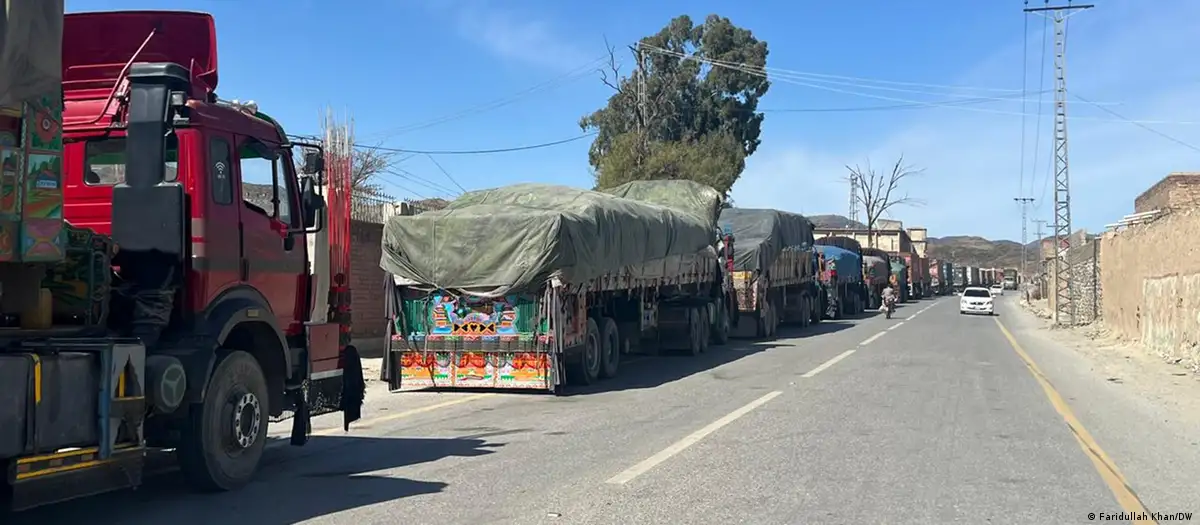
Islamabad’s recent decision to allow UN humanitarian cargo through Torkham and Chaman, even after deadly border clashes, further demonstrates Pakistan’s commitment to humanitarian principles.
Experts agree that allegations by figures such as Saeed Khosti are unverified, politically motivated, and disconnected from ground realities.