
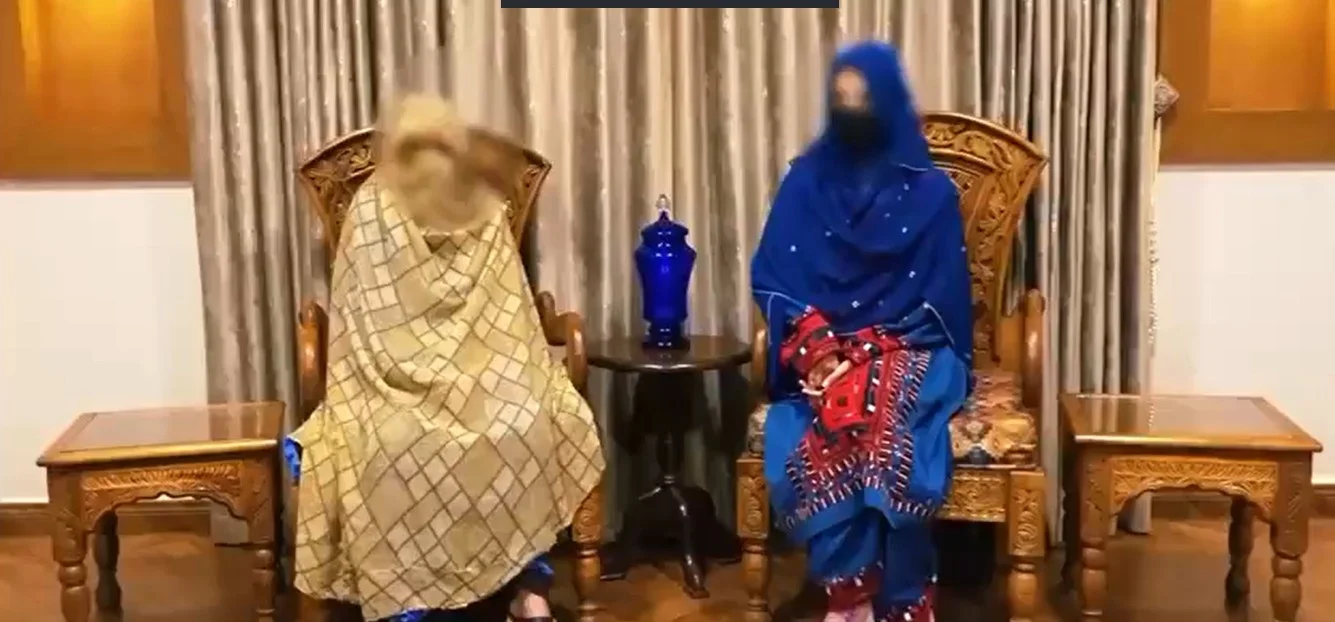
The arrest of Khair-un-Nisa in Hub is not an isolated incident. It reflects a deeper shift in the recruitment and operational strategy of the Baloch Liberation Army since 2022. This shift has focused on female suicide recruitment, online radicalization, and narrative manipulation after arrests. The case also exposes how activism language is increasingly used to blur accountability for militant facilitation.
Security agencies detained Khair-un-Nisa and another woman after interrogating a known handler, Farid alias Zagrain. Intelligence gathered during questioning led to Hub, where authorities disrupted a suspected suicide bombing plot at an advanced stage. Both women were shifted to secure locations for investigation, preventing what officials describe as a potential mass-casualty attack.
Days later, a social media campaign portrayed the detainees as “missing.” The campaign did not mention the alleged suicide plot, the facilitator network, or the sequence of arrests.
A pattern, not an exception
Since the 2022 Karachi University bombing carried out by Shari Baloch, BLA propaganda has increasingly glorified female attackers. Social media platforms such as Instagram and WhatsApp have been used to circulate curated ideological content aimed at educated urban women. Similar patterns have appeared in cases in Quetta, Hoshab, Turbat, and Gwadar.
Radicalization methods in the Khair-un-Nisa case follow well-documented militant techniques. These include online grooming, gradual ideological exposure, emotional manipulation, and the use of “martyr” role models. Digital ecosystems allow recruiters to bypass families and community oversight, making detection harder.
Female recruitment is not empowerment. It is instrumentalization. Even the question raised in the suspect’s own recorded statement—why recruiters do not send their own daughters—aligns with global research on coercion and manipulation within extremist groups.
When activism obscures terror networks
The Baloch Yakjehti Committee campaign reframed a counter-terrorism arrest as enforced disappearance. This narrative ignored confessions, custody records, and the recovery of facilitators. Such framing risks collapsing legitimate human-rights advocacy into cover for militant logistics.
This contrast is striking. In past attacks involving female suicide bombers, no comparable activism emerged during recruitment, training, or after violence occurred. Rapid mobilization only followed arrests.
Pakistan’s security challenge in Balochistan is measurable. Attacks linked to BLA and affiliated groups have targeted civilians, security forces, Chinese engineers, and infrastructure. Since 2022, suicide tactics have increased.
Human-rights scrutiny matters. But selective outrage does not. Counter-radicalization must confront digital recruitment, protect women from coercion, and ensure transparent legal process. Erasing the terrorism dimension produces distortion, not justice.
Read more: Mahira Khan Raises Afghan Refugee Concerns, But Skips Pakistan’s Security Reality











