
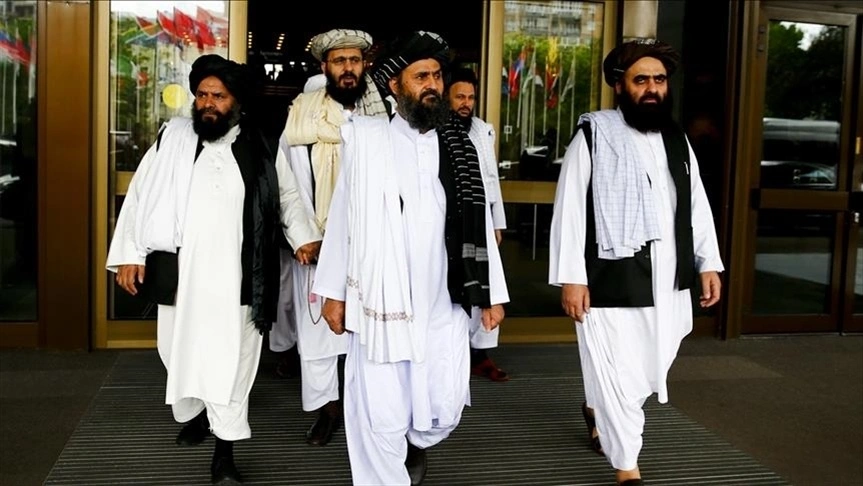
Internal fractures within the Taliban are no longer hidden, as factionalism increasingly shapes power, policy, and repression in Afghanistan. Key divisions exist between the Hibatullah Akhundzada loyalists and the Kabul-based faction led by Mullah Abdul Ghani Baradar.
The Hibatullah group includes figures such as Mullah Yusuf Wafa, Chief Justice Abdul Hakim Haqqani, Education Minister Nida Mohammad Nadeem, Deputy Defense Minister Abdul Qadir Zakir, and Deputy Interior Minister Sadr Ibrahim. They are known for their unwavering loyalty to Supreme Leader Hibatullah Akhundzada and for strictly enforcing his directives.
Opposing this consolidation is the Kabul group, led by Mullah Abdul Ghani Baradar, with key members including Foreign Minister Amir Khan Muttaqi, Gul Agha Ishaqzai, Shahabuddin Dilawar, and Mullah Khairkhwa.
Meanwhile, Mullah Yaqoob, son of Taliban founder Mullah Mohammad Omar, remains strategically ambiguous, aligning at times with Akhundzada, at others with Baradar or even the Haqqani network. Sources indicate that his involvement in facilitating Abbas Stanikzai’s exit from Afghanistan demonstrates how deeply internal trust within the Taliban has eroded.
Even Kandahar Governor Mullah Shirin, though close to Akhundzada, is seen as sympathetic to Sirajuddin Haqqani, further complicating the internal power landscape.
Factional Struggles Influence Policy and Enforcement
Taliban factionalism directly affects governance, security operations, and policy implementation. Members loyal to Hibatullah Akhundzada often enforce directives without compromise, while the Kabul faction seeks to assert influence over diplomacy and regional engagement. Analysts note that these internal dynamics shape appointments, military decisions, and administrative policies across Afghanistan.
Strategic Ambiguity Creates Uncertainty
Mullah Yaqoob’s shifting alignments and the presence of figures sympathetic to rival factions, such as Sirajuddin Haqqani, increase unpredictability within Taliban decision-making. Observers warn that this ambiguity complicates both internal cohesion and international engagement, affecting negotiations, security planning, and the overall stability of the country.











