
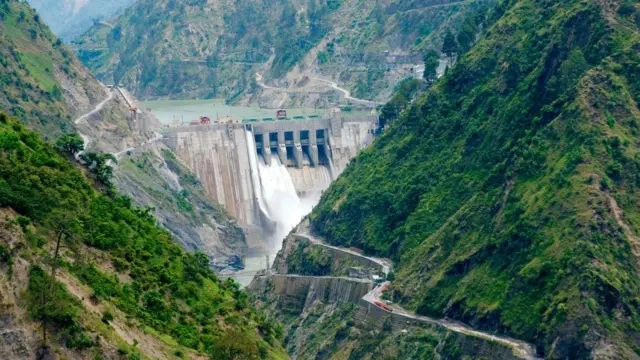
In the latest developments regarding the Indus Waters Treaty (IWT), the Permanent Court of Arbitration (PCA) on January 29, 2026, ordered India to provide critical operational data on the Baglihar and Kishenganga hydropower projects. The requested information included reservoir levels, logbooks, and technical analyses—data solely held by India and essential for ensuring treaty compliance.
Despite the clear deadline of February 9, 2026, India neither responded nor supplied the required information. This silence reflects a continued pattern of non-compliance; earlier, the UN Special Rapporteurs had raised questions to India on October 16, 2025, which were to be answered by December 16, 2025. Now, 55 days later, there has still been no reply.
This inaction signals not just a reluctance to abide by international law, but also undermines India’s credibility and good faith in global relations. In contrast, Pakistan has complied with PCA directives, providing analyses and data, positioning itself as a committed and law-abiding party to the treaty.
Key Points:
• PCA confirmed that the arbitration process under the IWT remains fully active, even in India’s absence.
• Failure to provide hydropower operational data by the February 9 deadline violates India’s obligations and demonstrates a lack of good faith.
• The requested data is exclusively in India’s possession and is crucial for verifying treaty compliance.
• India’s continued silence strengthens Pakistan’s evidentiary position while weakening any technical or legal justification India might claim.
• PCA’s willingness to proceed without India reflects international law principles, including pacta sunt servanda, meaning treaty obligations cannot be suspended by unilateral inaction.
India’s failure to meet PCA deadlines and respond to UN inquiries highlights a persistent disregard for international obligations, transparency, and accountability. Pakistan, by contrast, has acted transparently and complied fully with the arbitration process, sending a clear message about the importance of adhering to international law and respecting mutual rights under the Indus Waters Treaty.











